 Dodi Irawan
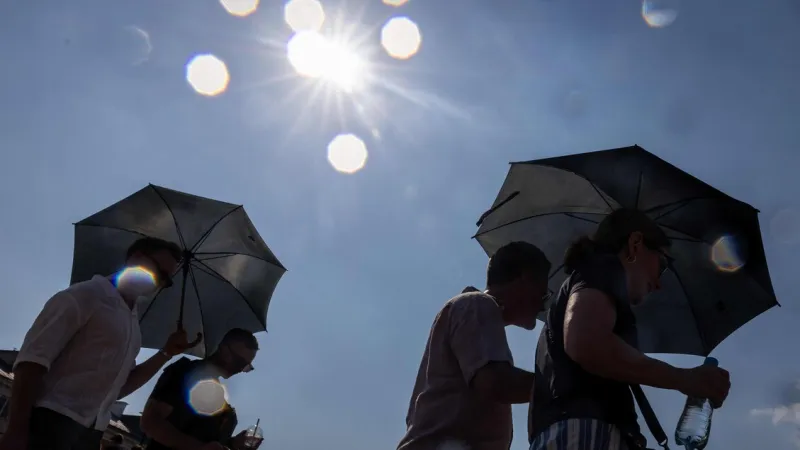
The World Health Organization (WHO) reported over 1,300 heat-related deaths across Europe within a single week, highlighting the escalating public health crisis posed by persistent extreme heatwaves. This alarming statistic emerges as an estimated 150 million people currently endure severe climatic conditions across the continent, prompting urgent calls for robust mitigation strategies.
The grim toll underscores the immediate and severe impact of the intensifying heat dome gripping various European regions. While specific geographical breakdowns were not immediately provided, the cumulative figure indicates a widespread challenge affecting diverse populations from urban centers to rural communities.
Scientists attribute the recurring and increasingly potent heatwaves to the broader pattern of climate change, which continues to elevate global temperatures. These prolonged periods of excessive heat place immense strain on public health infrastructure, particularly in regions unaccustomed to such sustained high temperatures.
Vulnerable populations, including the elderly, young children, and individuals with pre-existing medical conditions, face disproportionately higher risks during these extreme weather events. Lack of adequate cooling, access to hydration, and awareness of heat-related illness symptoms contribute to the heightened mortality rates.
The World Health Organization emphasized the critical need for governments and local authorities to implement immediate and long-term measures to protect citizens. This includes public awareness campaigns, establishing cooling centers, and improving urban planning to counteract the urban heat island effect.
The crisis resonates with previous reports detailing the severe strain on infrastructure and human endurance. For instance, athletes participating in events like the Berlin Hockey Pro League have previously highlighted the inhuman heat, underscoring the broad societal impact. World Champion Slams Inhuman Heat at Berlin Hockey Pro League.
Beyond human lives, the persistent warmth contributes to broader environmental degradation. Reports earlier this year detailed how the zero thermal line in the Alps has skyrocketed over 4,500 meters, signaling unprecedented glacial melt and ecological shifts. Alps in Peril: Zero Thermal Skyrockets Over 4,500 Meters. Similarly, iconic natural phenomena like Castelluccio Di Norcia's flowering have wilted under record drought conditions, directly attributable to sustained high temperatures and lack of precipitation. Castelluccio Di Norcia's Iconic Flowering Wilts Under Record Drought.
Policymakers face increasing pressure to address the multifaceted challenges posed by climate change and extreme heat. Debates surrounding energy consumption, such as the EU Commission's proposed dual AC standard, reflect attempts to manage resources even as public demand for cooling solutions rises. EU Commission's Dual AC Standard Sparks Feudalism Outcry.
Climatologists warn that without significant global action to curb greenhouse gas emissions, Europe can expect more frequent and intense heatwaves in the coming years. This trend necessitates a fundamental rethinking of urban design, public health protocols, and emergency response systems.
The staggering figure of over 1,300 heat deaths in Europe in just one week serves as a stark reminder of the urgent need for collective and decisive action to mitigate the effects of climate change and safeguard public health across the continent.