 Edward DP Situmorang
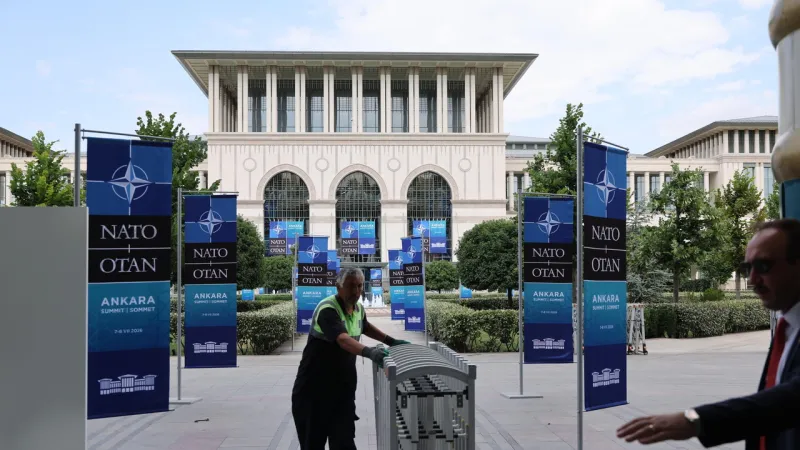
Ankara – European leaders convened in Turkey this week, initiating the formation of a distinct European defense alliance, colloquially termed a European NATO, poised to bolster the continent's security against rising threats from Moscow. The landmark summit underscored a collective commitment from major Old World powers to significantly ramp up defense spending, aiming for 5% of their respective GDPs, as an uncertain political landscape in Washington under President Donald Trump prompts a reevaluation of traditional transatlantic security arrangements.
This nascent security architecture represents a pivotal moment for European autonomy in defense. While not intended as a direct replacement for the North Atlantic Treaty Organization, the initiative signals a proactive effort by European nations to take greater ownership of their collective defense capabilities. Proponents argue such a development is crucial for strategic independence and resilience in an increasingly volatile global environment.
The renewed focus on defense is largely driven by persistent geopolitical tensions with Russia. The ongoing conflict in Ukraine, coupled with Moscow's assertive posture in Eastern Europe, has compelled European capitals to reassess their vulnerabilities. This push for a stronger, more unified European defense front aims to present a credible deterrent against any potential aggression.
A central pillar of the new pact is the ambitious target of dedicating 5% of gross domestic product to defense. This commitment significantly surpasses NATOs long-standing 2% guideline, highlighting the gravity with which European leaders perceive the current security landscape. Achieving this target will require substantial fiscal adjustments and political will across member states, promising a significant boost to European military industrial complexes.
The role of President Donald Trump continues to cast a long shadow over transatlantic relations. His consistent questioning of NATOs burden-sharing principles and his America First foreign policy agenda have prompted European leaders to explore alternatives. Analysts suggest this European defense initiative serves as a strategic hedge, ensuring continental security even if the United States shifts its alliance priorities or reduces its military footprint in Europe.
Concerns about the future direction of US foreign policy under President Trump have become a recurring theme in European defense discussions. The recent White House statement regarding the acquisition of Greenland, which the US administration framed as NATOs sole Arctic solution, underscored Washingtons unilateral approach to certain strategic matters. Such moves further compel Europe to forge its own robust security identity.
The precise structure and membership of this European NATO remain under discussion, but early indications suggest participation from key European Union members and other significant continental powers. Their collective goal is to streamline military cooperation, enhance interoperability, and develop indigenous defense capabilities that can operate effectively without extensive reliance on external support.
This development resonates with calls from Kyiv for a more unified and resolute European stance against Moscow. Ukraine has consistently urged European nations to strengthen their collective defense and present a united front, recognizing the importance of strategic solidarity in confronting Russian expansionism. Ukraine Urges Europe: Forge Unified, Resolute Stance Against Moscow.
However, the path to a fully integrated European defense architecture is fraught with challenges. Critics point to the potential for duplication of efforts with NATO, resource allocation complexities, and historical divergences in military doctrines. The integration of command structures and procurement processes will demand unprecedented levels of political consensus and diplomatic finesse.
Previous attempts at enhanced European military cooperation, such as the Permanent Structured Cooperation (PESCO) initiative, have shown promise but have not achieved the scale or strategic independence now being envisioned. The Ankara summit appears to signify a more decisive break from incremental progress, reflecting a heightened sense of urgency among European leaders.
The formation of such an alliance inevitably recalibrates the global geopolitical balance. It suggests a future where Europe plays a more autonomous and significant role in international security affairs, potentially shifting the dynamics of power projection and influence away from a solely transatlantic axis. This could also influence how other global powers, including China, engage with the European continent.
President Trump has frequently articulated a vision where allies contribute more to their own defense, often emphasizing an America First approach. While the European initiative aligns with the spirit of burden-sharing, its independent nature could also be viewed through the lens of a diminishing US influence in core European security decisions. Kyiv and Moscow Court President Trump on US Founding Day.
The strategic dialogue between European nations also takes place against a backdrop of complex relations with Russia. Statements from Russian officials, such as those by Dmitry Medvedev criticizing Americas right to dictate global will, highlight the deep ideological rifts that continue to shape international security concerns. Medvedev Slams US: America Lacks Right to Dictate Global Will.
Ultimately, the success of this European defense pact will hinge on sustained political commitment, effective resource allocation, and a unified strategic vision. Its emergence signals a profound shift in European security thinking, driven by a determination to secure the continents future in an increasingly unpredictable world.