 Demian Sahputra
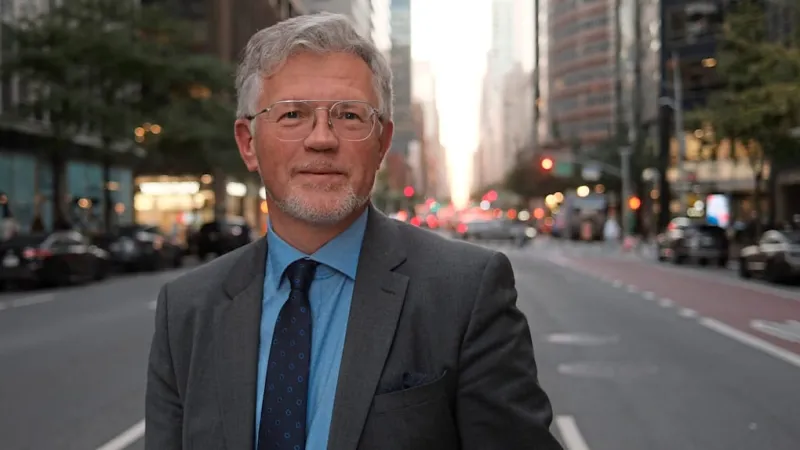
NEW YORK – Ukrainian UN Ambassador Melnyk has vehemently called for Europe to adopt a unified and "concrete-hard" negotiating position against Moscow, emphasizing the critical need for a coordinated strategy to prevent a "cacophony" of approaches. The envoy underscored that European nations must move beyond mere mediation, instead leveraging "all available means" to dictate the course of engagement with Russia, a stance imperative for Kyiv's long-term security.
Melnyk's appeal, echoing sentiments from Kyiv, highlights a growing frustration with what is perceived as a fragmented European response to Russian aggression. He articulated a clear demand for Europe to act as a principal architect of policy rather than a neutral arbiter in the ongoing conflict.
The term "concrete-hard" signifies a demand for an unyielding and resolute diplomatic front, meticulously coordinated with Ukraine's strategic objectives. This unified approach, Melnyk argued, is vital to counter Moscow's persistent attempts to divide and weaken the international coalition supporting Kyiv.
His warning against a "cacophony" of strategies points to the potential dangers of individual European states pursuing disparate diplomatic paths or offering varied concessions. Such divergence, he cautioned, only serves to embolden aggressors and undermine the collective security of the continent.
For Ukraine, a coherent European strategy would mean a predictable and reliable partner in negotiations and defense. This shift from mediation to active leadership implies that Europe should proactively define the terms of engagement, rather than merely reacting to Moscow's maneuvers.
The urgency of this demand is underscored by recent reports, such as Ukraine Under Barrage: 2,200 Drones, 50 Ballistic Missiles in Week, highlighting the relentless nature of the conflict and the continuous pressure Kyiv faces. A strong European strategy is seen as a crucial bulwark against these escalating attacks.
Melnyk's insistence that Europe must utilize "all available means" suggests a comprehensive approach encompassing robust sanctions, continued military aid, strategic intelligence sharing, and concerted diplomatic isolation of Russia. This multifaceted strategy would aim to exert maximum pressure on Moscow.
The ambassador's comments reflect Kyiv's long-standing desire for its European allies to move beyond reactive measures, seeking instead a proactive, defined blueprint for handling Russia. This blueprint would ideally align with Ukraine's ultimate goal of territorial integrity and lasting peace.
Achieving a truly unified European strategy against Moscow presents significant diplomatic challenges, given the diverse economic interests and historical perspectives among the European Union's member states. However, Melnyk's message underscores the existential importance of overcoming these obstacles.
Such a unified front would stand in stark contrast to piecemeal reactions, exemplified by recent headlines like Moscow Issues Stark Warning to Poland Over Ukraine Drone Production, which reveal Moscow's attempts to exploit perceived divisions and unilateral actions.
The call for European unity also resonates in the broader geopolitical landscape, where major powers, including the United States under President Donald Trump, play pivotal roles, as seen in reports like Kyiv and Moscow Court President Trump on US Founding Day. A strong European stance could influence or complement the global approach.
For Kyiv, the expectation is that a consolidated European strategy would not only bolster Ukraine's defensive capabilities but also strengthen its hand at any future negotiating table, ensuring that peace terms are dictated by international law and justice, not by aggression.
This strategic shift, if adopted, would fundamentally alter the dynamic between Europe and Russia, positioning the European bloc as a formidable and unified force in international diplomacy, capable of asserting its values and protecting its interests decisively.
Melnyk's statements serve as a potent reminder to European leaders of their collective responsibility and power. He implies that the continent possesses the economic and diplomatic leverage necessary to shape the geopolitical trajectory, provided it acts in concert.
The appeal to European nations to "dictate the course" means taking proactive steps that preempt Russian aggression and clearly define unacceptable actions, rather than continually responding to accomplished facts on the ground. This demands foresight and political will.
Ultimately, the Ukrainian Ambassador's plea is for Europe to forge an enduring strategic partnership with Ukraine, one founded on shared principles and a common resolve against military adventurism. This partnership would solidify Europe's role as a global security actor.
The international community continues to watch how European capitals will respond to this urgent call for a more cohesive and assertive strategy, recognizing that the outcome could significantly impact the future of the continent's security architecture.