 Stefani Rindus
KYIV – Ukrainian President Volodymyr Zelensky reported a severe escalation of Russian aggression over the past week, stating that Russian forces launched approximately 2,200 drones and nearly 50 ballistic missiles across Ukrainian territory. This intense aerial bombardment occurred as Ukrainian military operations reportedly targeted a Russian-used military airfield in Crimea and key infrastructure in the occupied regions of Donetsk, Luhansk, and Kherson.
President Zelensky made the announcement in a public address, detailing the relentless nature of the assaults. He specifically stated, "In one week 2,200 drones and about 50 ballistic missiles from the Russians." This declaration underscores the sustained pressure placed on Ukraine's air defenses and civilian populations.
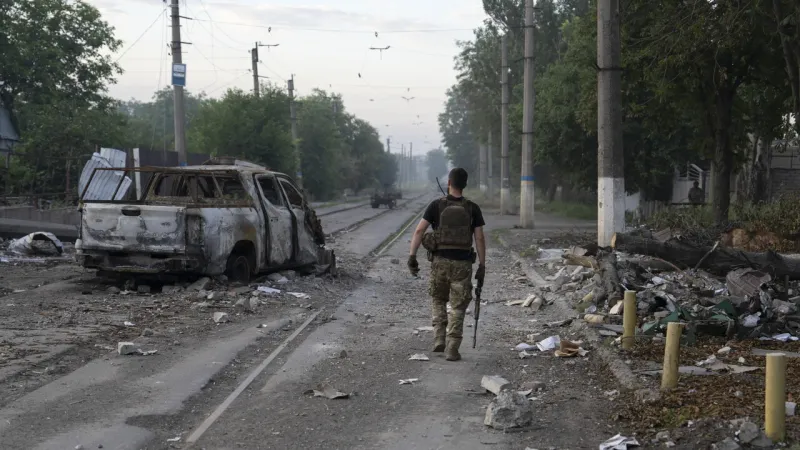
The reported volume of unmanned aerial vehicles, primarily Shahed-type drones, alongside ballistic missiles, signals a concerted effort by Moscow to overwhelm Ukrainian defenses and degrade critical infrastructure. Such attacks often target energy facilities, logistics hubs, and residential areas, causing widespread disruption and civilian casualties.
In response to these ongoing assaults, Ukrainian defense forces initiated several counter-strikes. Kyiv confirmed hitting a military airport in Crimea, a peninsula annexed by Russia in 2014 and a crucial logistical hub for its Black Sea Fleet and southern front operations.
This specific airfield in Crimea has been frequently utilized by Russian forces for launching aerial operations and housing military assets, making it a high-value target for Ukrainian strategic planners. The strike aims to degrade Russia's capacity to project air power and support ground operations.
Beyond Crimea, Ukrainian forces also directed their efforts towards Russian-occupied territories in eastern and southern Ukraine. Military targets in Donetsk, Luhansk, and Kherson regions came under fire. These areas remain central to Russia's territorial ambitions and its land bridge to Crimea.
Strikes in these eastern and southern regions typically target command posts, ammunition depots, and troop concentrations, disrupting Russian supply lines and operational coordination. The persistent engagement in these areas highlights the protracted nature of the conflict and Ukraine's commitment to reclaiming its sovereign territory.
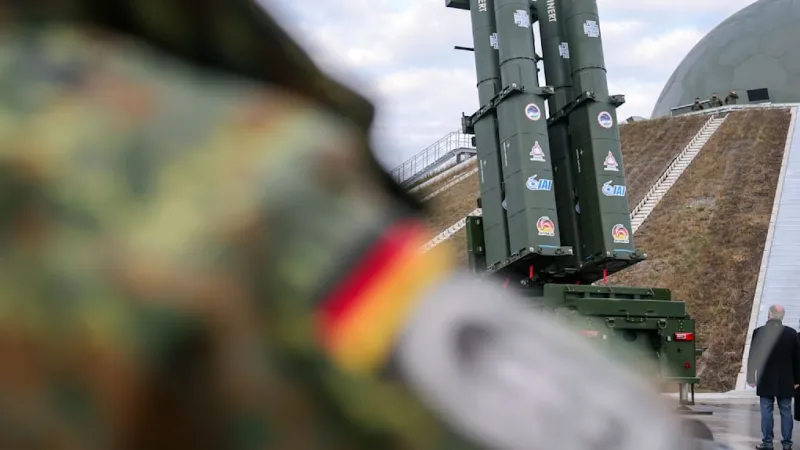
The intense week of fighting underscores the strategic importance of air superiority and anti-air capabilities in the modern conflict landscape. Ukraine continues to appeal to international partners for more sophisticated air defense systems to counter Russia's extensive missile and drone arsenal.
Western analysts suggest that Russia's intensified drone and missile campaigns are often precursors to or components of larger offensive operations, aiming to soften Ukrainian defenses before ground advances. They also serve as a tool for psychological warfare, attempting to erode public morale.
The reports from Kyiv emphasize the relentless daily struggle faced by the Ukrainian military and civilians alike. Each reported strike and counter-strike represents a significant event in the broader conflict, shaping the tactical realities on the ground.
As 2026 progresses, the conflict in Ukraine continues to evolve, with both sides adapting their strategies. Ukraine's ability to conduct retaliatory strikes deep within Russian-held territory demonstrates its developing long-range precision capabilities, even as it faces sustained aerial bombardment.