 Angel Doris
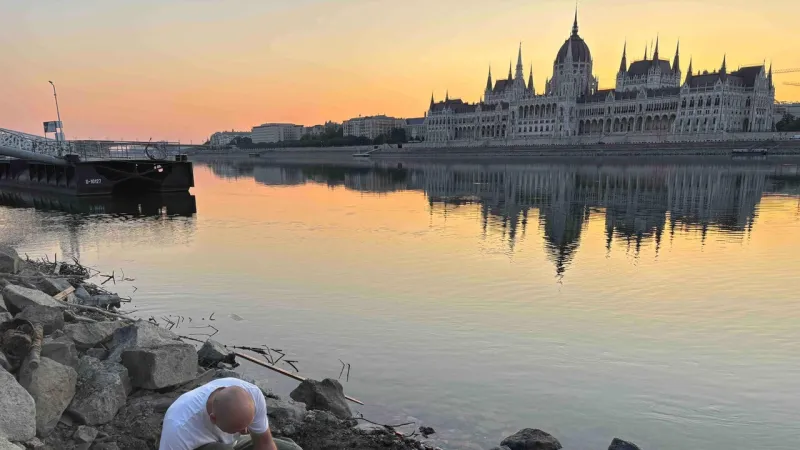
PRAHOVO, SERBIA — Record-low water levels in the Danube River, exacerbated by prolonged drought conditions across Europe, have exposed scores of German warships scuttled by Nazi forces in 1944 to evade advancing Soviet troops. Many of these sunken vessels, part of Hitler's Black Sea Fleet, still contain tons of explosives, posing a significant hazard to river navigation and local communities decades after their intentional sinking.
The dramatic reappearance near the Serbian port town of Prahovo highlights the severity of the continent's climate challenges in 2026. The exposed hulls, rusting and encrusted with sediment, represent a grim testament to the final desperate days of World War II on the Eastern Front, a historical footprint now made visible by environmental shifts.
Historically, these ships were part of the formidable Black Sea Fleet of Nazi Germany. As Soviet forces advanced westward, threatening to capture the strategic river, German commanders made the fateful decision to scuttle their vessels rather than allow them to fall into enemy hands. This act created an underwater graveyard, largely out of sight until now.
The vessels, primarily patrol boats, cargo ships, and barges, were intentionally sunk at various points along the Danube. The area near Prahovo became a concentrated resting place for many, strategically chosen to block the river and impede Soviet naval movement at the time. Their re-emergence today creates a different kind of blockade, threatening modern shipping lanes.
Authorities express significant concern over the remaining ordnance. While 82 years have passed since their sinking, the explosives onboard are still considered highly volatile. Any disturbance or salvage attempt carries inherent risks, not only to the personnel involved but also to the surrounding environment and populations.
The impact on commercial shipping along this vital European waterway is already palpable. Navigational channels have become perilously shallow, forcing ships to lighten their loads, reroute, or cease operations entirely in affected stretches. This disruption reverberates through regional supply chains and economies, already strained by global factors.
Local Serbian officials have called for international assistance to address the complex and costly challenge of clearing the Danube of these historical hazards. The operation requires specialized equipment and expertise in underwater ordnance disposal, a task beyond the resources of many national governments alone.
Past attempts to salvage or clear the wrecks have been piecemeal and largely unsuccessful, mainly due to the immense scale of the problem and the high financial cost. The current drought, however, has transformed a submerged issue into an immediate, visible crisis demanding urgent action.
The phenomenon of rediscovered historical artifacts due to environmental changes is not unique to the Danube. Elsewhere, declining sea levels or shifting sands have unveiled other submerged remnants of history, such as the ancient Roman shipwreck recently unveiled off Sicily's coast, underscoring the dynamic interplay between nature and history.
For residents of Prahovo and other communities along the river, the sight of the ghost fleet is a stark reminder of a war that ended generations ago but continues to cast a long shadow. The immediate future for Danube navigation remains uncertain as experts assess the most effective and safest methods to mitigate the dangers posed by these re-emerging relics of World War II.
The broader implications of sustained drought across Europe underscore the interconnectedness of climate change and historical preservation. As waterways continue to recede, more submerged histories may come to light, each presenting unique challenges for modern societies.
Addressing the situation requires a concerted effort from environmental agencies, historical preservationists, and military experts. The ultimate goal is to ensure both the safety of current river traffic and the respectful management of these historical remnants, without further environmental degradation.