 Chandra Wijayanto
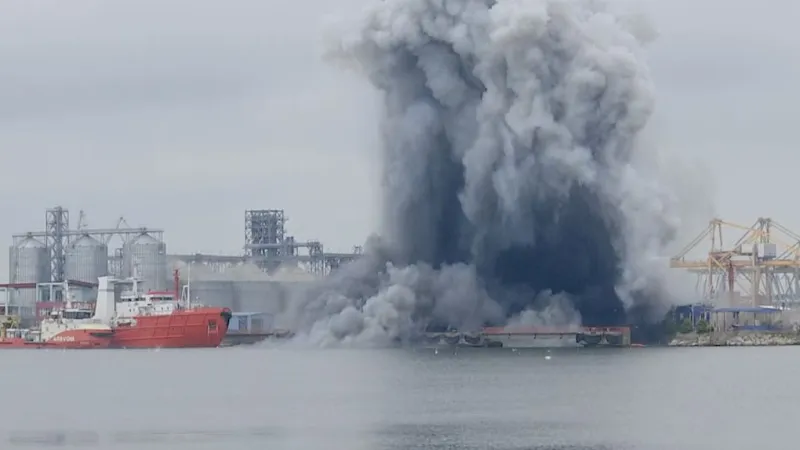
A suspected naval drone detonated in the port of Constanta, Romania, a critical Black Sea hub, while two cargo ships simultaneously endured attacks in the Sea of Azov, resulting in the deaths of five Azerbaijani sailors, according to official reports from the Romanian Ministry of Defense and authorities in Baku.
The Romanian Defense Ministry confirmed the explosion in Constanta, stating that investigations are underway to ascertain the precise nature and origin of the unmanned vessel. The incident highlights the escalating security challenges facing maritime operations in the Black Sea region, a critical commercial and military waterway.
Initial assessments suggest the explosion caused damage within the port area, though specific details regarding infrastructure or vessel impact remain limited. Romanian authorities have initiated enhanced security protocols across their Black Sea coastline in response to the incident.
Concurrently, reports from Baku detailed severe assaults on two cargo ships navigating the Sea of Azov. These attacks led to the tragic loss of five Azerbaijani crew members, underscoring the extreme hazards faced by civilian mariners in the contested waters.
The Sea of Azov, largely enclosed by land, has become a flashpoint for maritime conflict, with commercial shipping frequently caught in the crossfire of regional hostilities. These latest attacks on cargo vessels mark a grim escalation in the targeting of non-military assets.
Experts are closely scrutinizing the synchronized nature of these events – a drone incident in a NATO member's port and direct attacks on commercial shipping further east. This pattern suggests a coordinated effort to sow instability and disrupt maritime traffic in both the Black Sea and the Sea of Azov.
The strategic importance of the Black Sea cannot be overstated. It serves as a vital conduit for global trade, particularly for grain and energy shipments, and its stability is crucial for regional and international economies. Recent disruptions have already strained supply chains and increased insurance premiums for vessels operating in the area.
This incident also raises significant questions regarding NATO security, given that Constanta is a key naval base for the alliance. An explosion within a NATO port facility, even if caused by a sea drone, represents a serious breach of security and potentially a direct challenge to the alliance's defensive posture. The alliance has been bolstering its presence in the region, as outlined in discussions surrounding House Approves Ukraine Aid, Senate Path Remains Unclear Amid Bipartisan Rift.
Naval drones, both airborne and surface-based, have become increasingly prevalent tools in modern warfare, offering asymmetric capabilities that can bypass traditional defenses. Their deployment in areas with high commercial traffic poses immense risks to life and economic stability.
International bodies and maritime organizations are expected to condemn these acts and call for immediate de-escalation. The safety of international shipping lanes must be upheld to prevent further humanitarian and economic crises. The broader geopolitical landscape of the region, including nations like Armenia, which Emerges As Europe's Crucial Geopolitical Frontier, remains highly volatile.
While no party has yet claimed responsibility for the drone explosion or the attacks on cargo ships, the incidents are widely perceived as extensions of the ongoing regional conflict. They underscore the urgent need for diplomatic solutions and robust international cooperation to safeguard maritime security in Europe's volatile eastern flank.