 Chandra Wijayanto
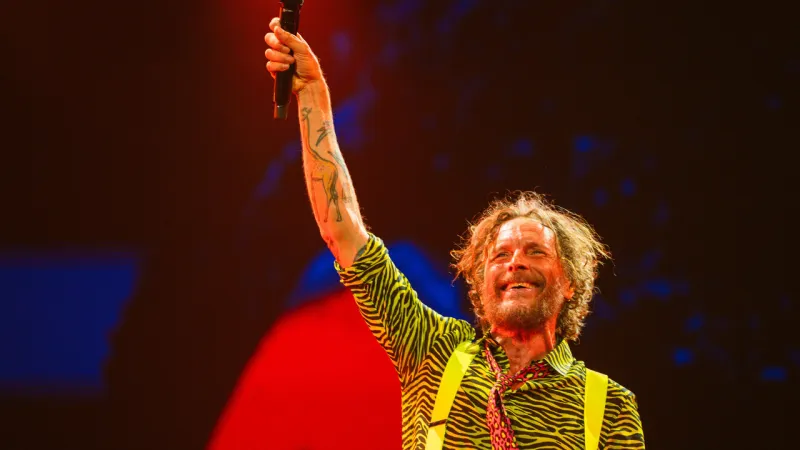
Italian music icon Lorenzo Cherubini, widely known as Jovanotti, recently offered a poignant critique of the contemporary music landscape, asserting that artistic substance must precede commercial metrics like stadium attendance. As the veteran artist prepares to mark his 60th birthday, he articulated concerns about the evolving priorities within the industry, particularly among emerging genres.
Jovanotti emphasized that the pursuit of massive venues, while a testament to popularity, should not overshadow the fundamental purpose of music itself. He posited that the drive for ever-larger audiences risks diluting the core artistic message in favor of spectacle and raw numbers.
"I feel my 60 years in relation to a changing world," Jovanotti stated, reflecting on his extensive career and observing the shifts around him. This sentiment underscores a generational perspective on artistic values and societal transitions.
A significant portion of his commentary focused on the hip hop genre, which he noted often "flaunts merchandise, not rights." This observation highlights a perceived divergence from earlier iterations of the genre that frequently championed social justice and political commentary.
Historically, hip hop emerged as a powerful voice for marginalized communities, using lyrical prowess to address systemic inequalities and advocate for change. Jovanotti's assessment suggests a departure from these foundational tenets towards a more consumerist and material-driven aesthetic.
His remarks implicitly challenge younger artists to consider their motivations and the messages they convey. The allure of commercial success, he implied, could inadvertently steer them away from creating impactful and meaningful art.
Jovanotti himself boasts a multifaceted career spanning decades, transitioning from a disc jockey to a globally recognized singer-songwriter. His own journey has seen him blend various musical styles, from pop and rap to world music, consistently maintaining a distinctive voice.
The discussion he initiated resonates with broader debates within the entertainment industry regarding the delicate balance between artistic integrity and commercial viability. Artists frequently navigate pressures to produce commercially successful work while striving to remain authentic to their creative vision.
Jovanotti's observations extend beyond mere musical criticism, offering a broader cultural commentary on societal values. He questions a global environment where tangible goods and ostentatious displays seemingly overshadow intellectual or social contributions.
As the music landscape continues its rapid evolution with digital platforms and new consumption habits, the questions Jovanotti raises about purpose, message, and artistic merit become increasingly pertinent. His voice serves as a reminder to prioritize the essence of music.
Ultimately, Jovanotti advocates for a return to fundamental principles, urging both artists and audiences to appreciate the intrinsic value of music as an art form rather than solely as a commodity or a vehicle for status.