 Chandra Wijayanto
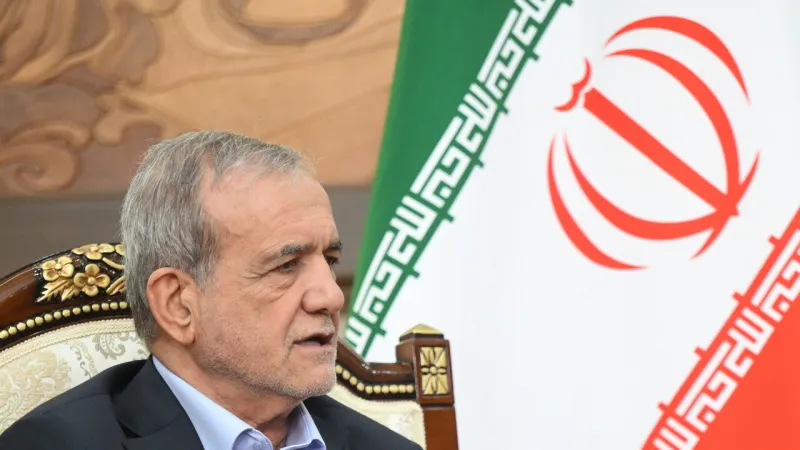
Tehran, Iran – Iranian President Masoud Pezeshkian today forcefully declared that his nation would not succumb to perceived United States coercion, publicly stating a steadfast commitment to truth and justice. The remarks, delivered during a period of heightened regional tensions, underscore Irans enduring resolve against external pressures and its determination to pursue its national interests independently.
President Pezeshkian, speaking to an audience in Tehran, asserted, "As long as we live, we will pursue truth and justice." This statement directly challenged the geopolitical maneuvers and economic sanctions imposed by the US, signaling a deepening of the long-standing diplomatic impasse between Washington and Tehran. The pronouncement arrives as the international community observes the intricate dance of power in the Middle East.
The administrations of successive US Presidents, including the current President Donald Trump, have maintained a robust sanctions regime against Iran, primarily citing concerns over its nuclear program, ballistic missile development, and support for regional proxy groups. Tehran consistently frames these measures as economic warfare and a violation of its sovereignty, fostering an environment of mistrust and antagonism.
Pezeshkians declaration resonates with a significant segment of the Iranian populace and political establishment, which views American foreign policy as inherently hostile. The concept of resisting external bullying has become a cornerstone of Irans revolutionary rhetoric since 1979, often defining its engagement on the global stage.
Observers suggest that Pezeshkians emphasis on "truth and justice" serves multiple purposes. Internally, it aims to galvanize national unity and project an image of strength and moral righteousness. Externally, it seeks to frame Irans actions as principled responses to perceived injustices, potentially garnering support from nations similarly wary of unilateral international dominance.
The intricate web of regional conflicts further complicates the US-Iran dynamic. From proxy battles in Yemen to political influence in Iraq and Syria, both nations often find themselves on opposing sides, fueling an already volatile environment. Recent reports, such as those detailing how Saudi Crown Prince Urged Trump to Strike Houthi Rebels, highlight the complex interplay of alliances and antagonisms.
Washington has consistently maintained that its actions aim to deter Iranian aggression and prevent the proliferation of weapons, particularly nuclear arms. President Donald Trumps administration has frequently reiterated its position that Iran must cease its destabilizing activities in the region before any significant de-escalation can occur.
However, Tehran views the pursuit of its defensive capabilities and regional alliances as vital to its security, especially given its historical experiences with foreign intervention. Pezeshkians latest remarks reinforce this perspective, framing any concessions under pressure as a betrayal of national dignity and self-determination.
The impact of such pronouncements extends beyond diplomatic circles, influencing global energy markets and the strategic calculations of major powers. The Strait of Hormuz, a critical chokepoint for international oil shipments, remains a flashpoint where heightened tensions could have far-reaching economic consequences.
Diplomatic efforts to bridge the divide have seen mixed results over the years. While periods of engagement have occurred, fundamental disagreements over Irans regional role and nuclear ambitions persist. Pezeshkians current stance suggests a continued preference for principled resistance over compromise under duress.
The Iranian presidents strong rhetoric also serves to consolidate his domestic political base. In a nation where defiance against foreign adversaries often translates into popular support, such statements reinforce his leadership credentials and align with nationalist sentiments.
Internationally, this assertion from Pezeshkian could be interpreted in various ways. Some allies of the United States may view it as further evidence of Irans intransigence, while nations seeking a more multipolar world order might see it as a legitimate expression of national sovereignty.
The challenge for global diplomacy lies in finding pathways to de-escalation that address the security concerns of all parties without resorting to economic strangulation or military confrontation. President Pezeshkians words underline the profound difficulty of this task, asserting a firm red line against what Iran perceives as foreign overreach.
As Iran navigates a complex geopolitical landscape, its leadership continues to project an image of unwavering resolve. Pezeshkians declaration ensures that the narrative of national defiance against perceived external bullying remains central to Irans foreign policy discourse, promising a continued pursuit of what it defines as truth and justice.