 Angela Stefani
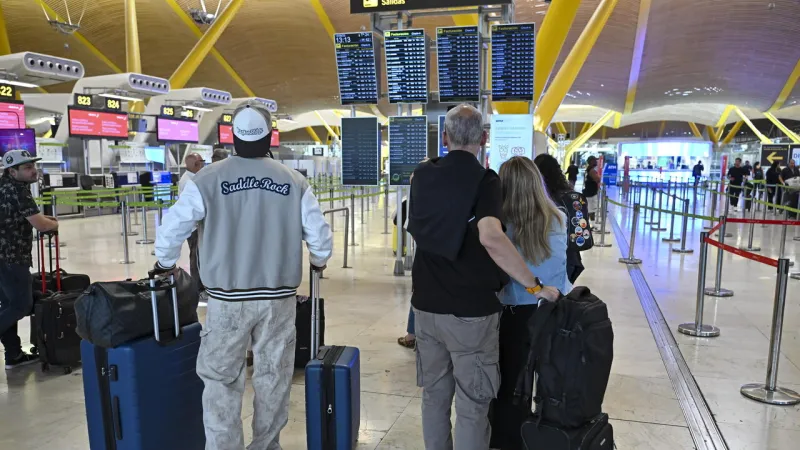
The European Union has called for an immediate, concentrated effort to prevent irregular entries and the tragic loss of human lives, even as Spain unilaterally moved to implement random border checks on travelers arriving from Italy. These new stringent controls came into effect at midnight, signaling heightened tensions over migration policy within the Schengen Area.
The EU's urgent plea underscores the escalating humanitarian crisis at Europe's borders. Brussels emphasized the imperative to tackle the root causes of irregular migration while simultaneously ensuring that policies do not inadvertently contribute to the peril faced by vulnerable individuals seeking entry.
Madrid's decision to instate sample checks on travelers arriving from Italy marks a significant shift, creating potential friction with its EU partners. While the precise duration of these checks remains unspecified, their implementation highlights growing national concerns over secondary movements of migrants.
The move by Spain arrives amidst persistent debates across the continent regarding the efficacy and fairness of the bloc's asylum and migration pacts. Member states frequently diverge on issues of responsibility-sharing, external border management, and repatriation efforts, leading to fragmented national responses.
The EU's focus on preventing "senseless deaths" directly addresses the grim reality of thousands perishing annually during perilous journeys across the Mediterranean and other routes. These fatalities often occur in dangerous conditions orchestrated by human traffickers, highlighting the urgent need for safe and legal pathways where possible, alongside robust border security.
Such unilateral reintroductions of border controls, even on a sample basis, test the fundamental principles of the Schengen Agreement, which permits passport-free movement across much of Europe. While temporary checks are permitted under specific circumstances, their recurrence can erode trust and complicate intra-EU travel and commerce.
Spain has previously demonstrated a firm stance on border security, as evidenced by its actions to harden the Ceuta border amidst past migration waves. This history suggests a consistent approach to managing inbound flows, though internal EU relations are now specifically impacted. Spain Hardens Ceuta Border Amidst Migration Wave, Italian Diplomatic Crisis
Italy, as a primary landing point for migrants crossing the central Mediterranean, often bears a disproportionate share of the initial reception burden. The Spanish checks could be interpreted as a measure to prevent the onward movement of individuals who have already entered the EU via Italian shores, potentially straining diplomatic ties between the two nations.
The EU Commission has consistently advocated for a comprehensive, bloc-wide approach to migration, stressing solidarity and shared responsibility. Individual member state actions, while driven by national imperatives, often complicate the pursuit of a unified European strategy.
Officials in Brussels reiterate that only a collective, harmonized policy can effectively address the multifaceted challenges posed by irregular migration. This includes strengthening external borders, combating smuggling networks, and fostering international cooperation with countries of origin and transit.
For ordinary travelers between Spain and Italy, the new random checks translate into potential delays and increased scrutiny. While not a full border closure, the measures introduce an element of unpredictability to journeys that were once seamlessly integrated within the Schengen zone.
Beyond human rights and diplomatic considerations, the disruption to free movement can carry economic implications. Supply chains, tourism, and cross-border business activities rely on predictable and efficient transit, which border checks can impede.
The current situation underscores the ongoing fragility of the EU's internal borders when faced with external pressures. The effectiveness of these Spanish measures in deterring irregular entries or influencing broader migration patterns will be closely observed by other member states grappling with similar challenges.
Ultimately, the European Union's message remains clear: while sovereign nations have the right to secure their borders, the collective imperative to prevent human suffering and address the root causes of irregular migration must guide all policy decisions. This duality of security and humanity defines Europe's struggle with one of its most complex challenges.
The call to prevent senseless deaths also resonates with broader European sentiments around migrant dignity, echoing past discussions and commemorations like those for the Marcinelle worker tragedy, which highlighted the value of every human life, regardless of origin or status. Mattarella Links Migrant Dignity to Marcinelle Worker Tragedy