 Dodi Irawan
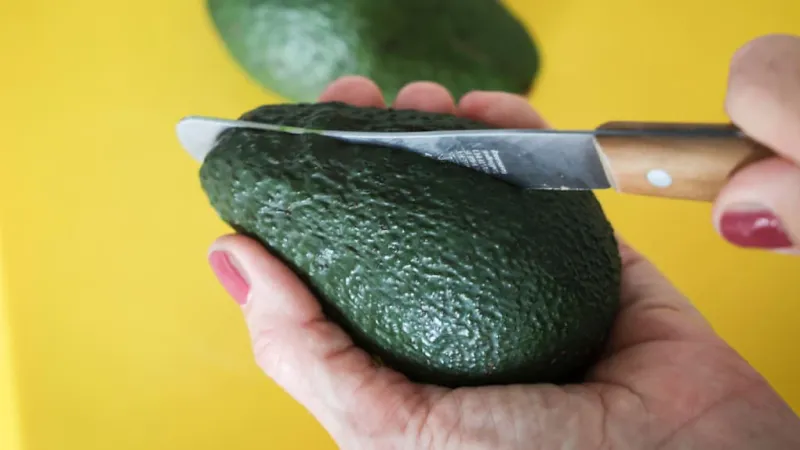
The University Hospital Schleswig-Holstein has issued a stark warning following a significant rise in severe hand injuries, colloquially termed "avocado hand." This alarming trend primarily affects individuals, predominantly women, who sustain grave damage to nerves, tendons, and blood vessels while attempting to remove avocado pits with a knife.
Medical professionals across the region are observing a noticeable uptick in these specific domestic accidents. Data compiled by the University Hospital Schleswig-Holstein indicates a sustained increase in emergency room visits directly attributable to improper avocado preparation.
The injuries typically occur when a knife, used to dislodge or remove the slippery avocado pit, slips from the fruit and penetrates the palm or fingers. The unique shape and hard nature of the pit, combined with the often-underestimated force required for removal, create a hazardous scenario.
Such lacerations are frequently deep, extending beyond surface cuts to sever critical structures within the hand. Nerves, essential for sensation and movement, can be transected, leading to numbness, weakness, or complete loss of function. Tendons, which connect muscle to bone, are also highly vulnerable, potentially impairing finger and hand mobility.
Beyond neurological and musculoskeletal damage, the risk of compromising blood vessels is considerable. Deep cuts can sever arteries and veins, resulting in significant blood loss and, in severe cases, requiring urgent surgical intervention to prevent long-term complications or tissue necrosis.
While anyone can fall victim to avocado hand, the hospital highlighted that women constitute the majority of patients presenting with these injuries. Experts speculate this demographic trend might be linked to varying culinary habits or common kitchen practices.
A spokesperson for the University Hospital Schleswig-Holstein emphasized the preventable nature of these incidents. "We urge the public to exercise extreme caution when preparing avocados," stated the spokesperson, advocating for safer methods to extract the pit. "These are not minor cuts; they often require complex surgery and prolonged rehabilitation."
To mitigate the risk of avocado hand, culinary experts and safety advocates recommend alternative techniques. These include using a spoon to scoop out the pit, carefully twisting the two avocado halves apart to loosen the pit, or employing specialized avocado tools designed for safer pit removal.
The phenomenon of avocado hand reflects a broader category of kitchen-related injuries that often go underestimated. As consumer trends shift towards healthier eating and exotic fruits become more commonplace, public awareness campaigns for safe food preparation grow increasingly vital.
Beyond the immediate pain and medical intervention, victims of avocado hand face potential long-term consequences. These can include ongoing pain, reduced hand function, and the financial burden of medical treatments and lost work time during recovery. The need for physiotherapy and occupational therapy is often extensive.
Medical institutions and public health bodies are now considering more robust awareness campaigns to educate consumers on the specific dangers associated with avocado preparation. The goal is to reduce the incidence of these severe, yet entirely avoidable, hand traumas through better information and safer practices.
The rising cases of avocado hand serve as a compelling reminder that even routine kitchen tasks can harbor significant risks if undertaken without proper technique and caution. Public vigilance and adherence to safety guidelines are paramount in preventing further injuries.