 Edward DP Situmorang
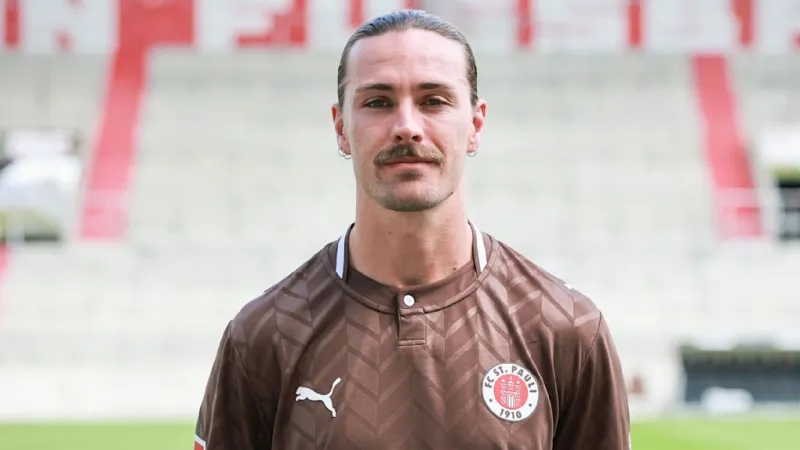
Hamburg, Germany – Jackson Irvine, the esteemed captain of FC St. Pauli, has finalized his departure from the storied German football club, concluding a tumultuous tenure marked by significant public scrutiny and fan discord. His move to a new team in Osaka, Japan, signals a decisive break for the midfielder, mere weeks before the commencement of the new football season.
The decision comes after a particularly challenging period for Irvine, who faced a barrage of public criticism and became embroiled in disputes with sections of the club's passionate fanbase. This difficult atmosphere reportedly prompted the Australian international to seek a fundamental change of scenery and a fresh start in his professional career.
Irvine's transfer to an unnamed club in Osaka places him on a new continent and in a different footballing culture. Reports indicate that he will reunite with a former Borussia Dortmund (BVB) star, adding an intriguing dynamic to his new venture in the Japanese J-League.
The 2026 season was anticipated with high hopes for St. Pauli, a club known for its distinctive identity and strong community ties. The abrupt departure of their captain so close to the season opener presents a significant leadership void and a strategic challenge for the team management.
Throughout his time at St. Pauli, Irvine was recognized for his tenacity, leadership qualities, and central role in the midfield. His departure underscores the intense pressures professional athletes face, particularly when performance or personality clashes emerge within a club's ecosystem.
The specifics of the fan disputes and the exact nature of the public criticism remain largely internal matters, though their impact on Irvine was evidently profound enough to precipitate this high-profile transfer. Such instances highlight the delicate balance between player performance, fan expectations, and club harmony.
St. Pauli will now contend with the immediate task of identifying a new captain and integrating a replacement midfielder before the competitive schedule resumes. The club's sporting director and coaching staff will need to act swiftly to maintain team cohesion and morale.
For Irvine, the opportunity to play alongside a former BVB standout in Osaka represents not just a change of club, but a chance for renewed focus and enjoyment of the sport. The J-League offers a competitive platform and a chance to escape the recent travails that overshadowed his final months in Germany.
The transfer also reflects the globalized nature of modern football, where players frequently traverse continents in pursuit of career opportunities or personal fulfillment. Irvine's journey from European football to Asia marks a significant chapter in his professional narrative.
St. Pauli supporters, while perhaps disappointed by the circumstances, will likely reflect on Irvine's contributions to the club, acknowledging his effort and dedication despite the recent difficulties. His time in Hamburg concludes, making way for a new era both for the player and the club he once led.
The void left by Irvine extends beyond his on-field performance; his leadership in the dressing room and connection with the squad will require careful management by St. Pauli as they prepare for a demanding season without their captain.