 Robert Andrison
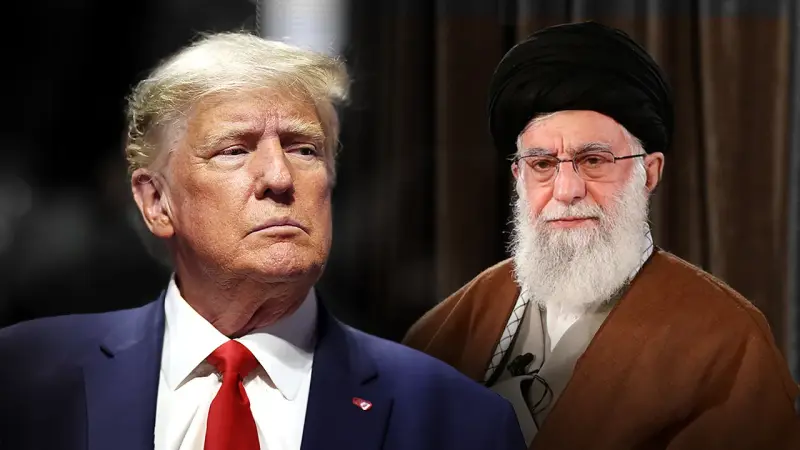
WASHINGTON — President Donald Trump today sharply criticized Iran's efforts to facilitate navigation through the strategically vital Strait of Hormuz, stating Tehran was 'doing a very poor job' in reopening the crucial global oil artery, a declaration that escalates existing tensions between the two nations over maritime security and energy trade.
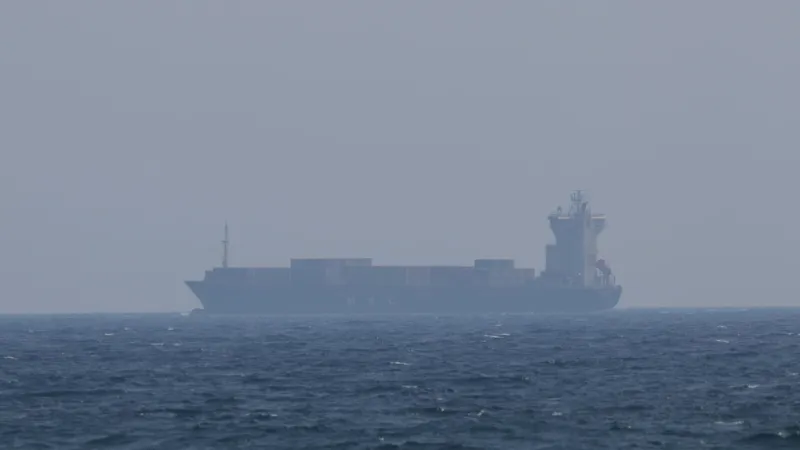
The President's remarks, delivered from the White House, underscore mounting international concern regarding the Strait of Hormuz, a narrow choke point at the mouth of the Persian Gulf through which roughly one-fifth of the world's oil supply transits daily. Its unfettered access is paramount for global energy markets.
This latest condemnation follows a period of heightened friction in the region, including past incidents involving commercial shipping and military posturing by both American and Iranian forces. Washington has repeatedly called for freedom of navigation and adherence to international maritime law.
During a morning press availability, President Trump emphasized that the global community expects Iran to uphold its responsibilities in maintaining open and secure waterways. 'They are doing a very poor job, an unbelievably poor job, in making sure that shipping can move freely,' President Trump told reporters, reiterating his administration's commitment to protecting international commerce.
Analysts quickly noted the potential implications of such strong language for already volatile oil markets. Any perceived threat to the Strait of Hormuz typically triggers upward price pressures, reflecting the indispensable role the waterway plays in global crude oil distribution.
Iranian officials have historically asserted their sovereign right to oversee the Strait, which borders their coastline, while simultaneously denying any intent to impede legitimate maritime traffic. Tehran often attributes regional instability to external powers and sanctions.
Major international trading partners and allies, particularly those heavily reliant on Middle Eastern oil, are closely monitoring the situation. Several nations have previously deployed naval assets to the region to ensure maritime security and deter potential disruptions.
Disputes over the Strait of Hormuz are not new, having flared up periodically over decades due to geopolitical shifts and differing interpretations of international maritime conventions. The strategic waterway remains a perennial flashpoint in US-Iran relations.
A senior White House official, speaking on background, affirmed the administration's policy remains centered on robust deterrence and diplomatic engagement where appropriate, though the current tone suggests a lean towards more assertive rhetoric regarding Iran's regional conduct.
The President's direct remarks signal a renewed focus from Washington on Iran's role in maritime security, setting the stage for further diplomatic exchanges and potentially shaping future policy decisions concerning stability in the vital Persian Gulf region.