 Chris Robert
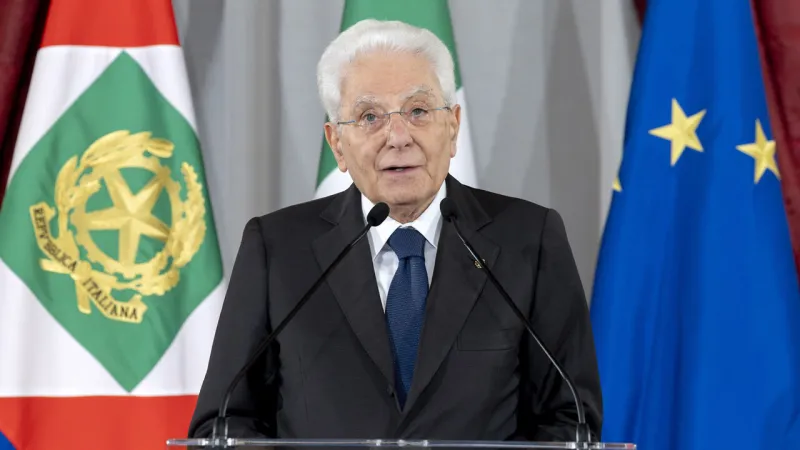
Bois du Cazier, Belgium – Italian President Sergio Mattarella delivered a poignant address today, August 8, 2026, at the site of the 1956 Marcinelle mining disaster, emphasizing the imperative to manage migratory flows with unwavering respect for human dignity. His remarks, made during the annual commemoration of one of Europe's gravest industrial tragedies, linked the historical sacrifices of migrant workers to contemporary challenges facing global populations on the move.
The ceremony honored the 262 individuals who perished in the devastating mine fire 70 years ago, a catastrophic event that saw 132 Italian laborers among its victims. This somber anniversary serves as a powerful reminder of the profound human cost often borne by those seeking better opportunities abroad.
President Mattarella underscored the historical context, noting that the Marcinelle tragedy became a symbol of the immense risks and exploitation faced by generations of migrant workers. These individuals, often driven by dire economic circumstances, left their homelands to contribute to the prosperity of other nations, frequently under perilous conditions.
“The management of migratory flows must respect the dignity of people,” President Mattarella stated, echoing sentiments that resonate deeply with Italy’s own complex history of both emigration and contemporary immigration. His words serve as a potent call for humane policies and international solidarity.
The Marcinelle disaster fundamentally altered perceptions of industrial safety and worker rights across Europe, particularly highlighting the vulnerabilities of foreign labor forces. It spurred significant improvements in safety regulations and social protections, although advocates argue that much progress remains to be made, especially for undocumented migrants.
Italy, once a significant source of migrant labor, particularly to countries like Belgium, Germany, and France, now finds itself at the forefront of managing substantial migratory flows from Africa and the Middle East. This dual historical perspective profoundly informs its diplomatic efforts and national policies.
The President's assertion aligns with ongoing debates within the European Union concerning equitable burden-sharing and the humanitarian treatment of asylum seekers and economic migrants. Discussions around these issues have intensified in recent years, reflecting diverse national interests and differing approaches to border control and integration.
Critics of current European migration policies often point to instances of overcrowding in reception centers, slow asylum processing, and insufficient protection against exploitation as areas where the principle of human dignity is compromised. Mattarella's speech implicitly addressed these systemic concerns, reinforcing a consistent message from Rome.
The commemoration also highlighted the enduring legacy of the Italian diaspora. Descendants of those who emigrated post-World War II now form integral parts of Belgian and other European societies, a testament to their resilience and contributions, despite the hardships their ancestors faced seeking work.
As Europe grapples with its demographic future and labor needs, the lessons of Marcinelle and the President's call for dignity offer a crucial framework. Ensuring safe passages, fair working conditions, and respect for cultural identities are paramount in building inclusive societies for all.
The ceremony at Bois du Cazier, now a UNESCO World Heritage site, traditionally brings together dignitaries, trade union representatives, and family members of the victims. It symbolizes a shared commitment to remembering the past and learning from its tragedies to forge a more just future.
President Mattarella's attendance underscored the strategic importance Italy places on worker protections and the ethical considerations surrounding global mobility. His address reiterated themes previously highlighted in various forums regarding human rights and the ethical governance of migration.
This year's remembrance coincides with renewed calls for stronger international cooperation on migration governance. Many European nations, including Italy, have recently engaged in diplomatic efforts to establish more orderly and humane approaches to border management and humanitarian aid, reflecting a broader shift in policy discussions.
The Italian government has consistently affirmed its dedication to upholding human rights throughout the complex processes of managing migration. Just last year, an article titled Italy Remembers Marcinelle Tragedy, Vows End to Worker Exploitation chronicled these commitments, echoing the sentiment of President Mattarella's recent address.
Ultimately, the tragedy of Marcinelle serves as a timeless reminder that economic progress must never come at the expense of human life or dignity, a principle Mattarella passionately advocates for in the context of twenty-first-century migratory patterns.