 Chris Robert
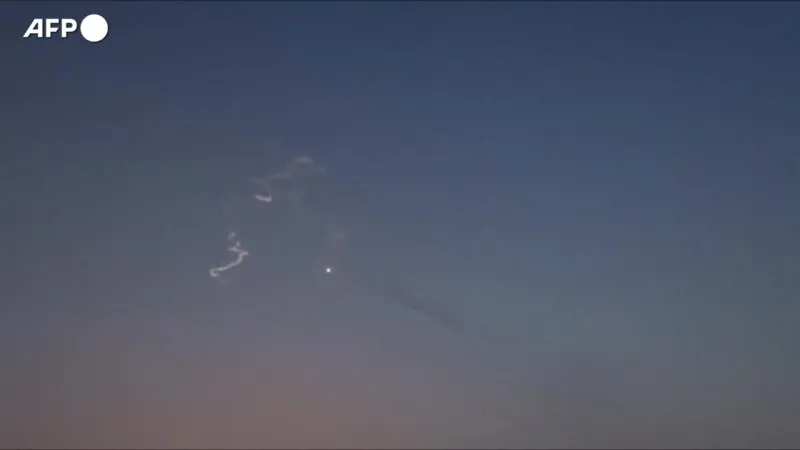
Iran's state media has recently disseminated video footage purporting to show missile strikes against American interests stationed in the Persian Gulf, specifically targeting military facilities in Bahrain and Kuwait. This action is presented by Tehran as a direct retaliation for what it characterizes as prior aggressive American attacks in the volatile region, intensifying already fraught geopolitical tensions.
The released video, widely circulated by Iranian news agencies, reportedly depicts the launch of several missiles followed by satellite imagery or drone footage purporting to show impacts near designated targets. While independent verification of the footage and the extent of any damage remains challenging, the act itself signals a significant escalation in the ongoing shadow conflict between Iran and the United States.
Tehran's narrative consistently frames these actions as defensive measures, responding to perceived infringements on its sovereignty and regional influence. The specifics of the alleged American attacks that prompted this latest retaliation were not immediately detailed by Iranian state sources, yet the implication is clear: a tit-for-tat dynamic is firmly in play.
The United States maintains a substantial military presence in the Persian Gulf, including naval fleets, airbases, and troops, primarily to ensure regional stability and safeguard vital shipping lanes. These assets are often at the forefront of Washingtons strategic posture in the Middle East, making them frequent points of contention for regional adversaries.
Officials in Washington and allied capitals have yet to issue comprehensive statements regarding the Iranian broadcast. However, the international community has long expressed deep concern over the escalating military activities in the Gulf, recognizing the potential for miscalculation to trigger a wider, devastating conflict.
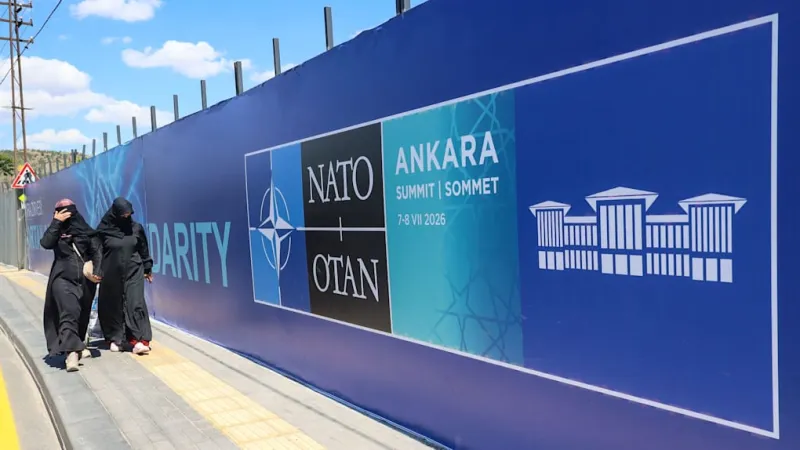
The timing of this video release underscores a period of heightened regional volatility. President Donald Trump, known for his firm stance against Iran, has previously made strong pronouncements regarding Tehran's actions. At various international forums, President Trump has voiced his administration's readiness to address what he views as Iranian aggression, including moments where he has vowed retaliation against Iran and during events like the Ankara Summit where he unleashed fury at NATO, targeting Iran.
Such military escalations invariably carry severe economic repercussions. Global energy markets, already susceptible to geopolitical instability in the Middle East, are expected to react to these developments. Past instances, such as the period post-Iran ceasefire, have demonstrated how rapidly fuel prices can soar, prompting calls for investigations into market manipulation and strategic reserves.
From a broader international perspective, allies within NATO have frequently navigated the delicate balance of deterrence and diplomacy concerning Iran. Leaders like Italian Prime Minister Meloni have consistently urged for sustainable NATO commitments amid the escalating Iran crisis, emphasizing the need for a unified and strategic approach to prevent further regional destabilization.
The history of US-Iran relations in the Gulf is punctuated by numerous confrontations, from tanker wars to naval skirmishes, each contributing to a cycle of mistrust and reactive posturing. The current situation appears to be a continuation of this pattern, with both sides leveraging military demonstrations and propaganda to assert dominance and deter further aggression.
Analysts suggest that the broadcast of these missile strikes serves multiple purposes for Iran: bolstering domestic support, sending a clear message of capability to regional adversaries, and challenging American military superiority. It is a calculated move designed to project strength and resolve in the face of persistent external pressures.
The immediate future of the Persian Gulf region remains uncertain. The international community watches closely for official responses from Washington and any potential counter-measures. The trajectory of this latest escalation will undoubtedly shape diplomatic efforts and economic forecasts in the coming weeks, underscoring the critical need for de-escalation channels and clear communication to avert a full-scale conflict.