 Angel Doris
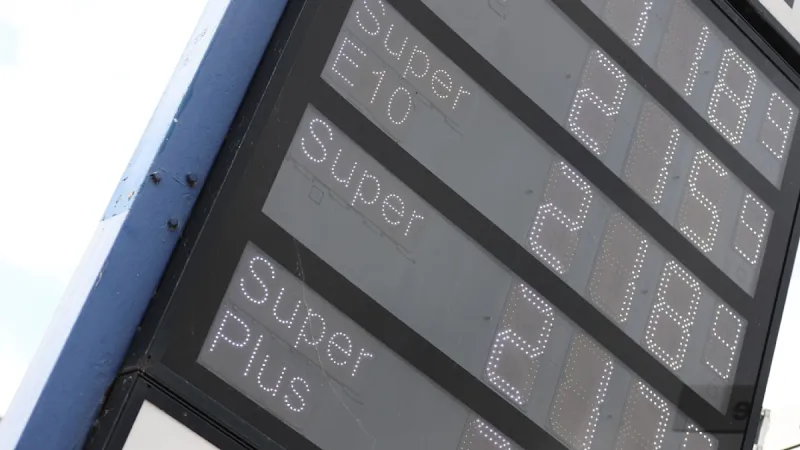
BERLIN — Fuel prices across Germany have surged following the expiration of the ceasefire agreement between the United States and Iran, igniting widespread public frustration and drawing sharp criticism from leading politicians. Sepp Muller, a prominent member of the Christian Democratic Union (CDU), has publicly called for the Federal Cartel Office to launch an immediate investigation into alleged profiteering by mineral oil companies, stating that the situation is no longer acceptable.
"I am fed up now. The Cartel Office must finally act here," Muller declared, articulating a sentiment shared by many German consumers who observe a rapid escalation in prices at the pump. This abrupt increase comes at a precarious time for the European economy, already grappling with inflationary pressures.
The catalyst for this latest price hike appears to be the recent conclusion of the temporary cessation of hostilities between the United States and Iran. While the precise details of the ceasefire were often opaque, its termination has introduced renewed volatility into global oil markets, which quickly reflects at gas stations in nations like Germany.
President Donald Trump has consistently maintained a firm stance on international relations, particularly concerning Iran. His administration's decisions frequently ripple through global economic channels, impacting everything from trade to energy prices. Earlier this year, President Trump denounced Iran amidst broader geopolitical discussions, a position that likely influenced the dynamics surrounding the now-expired ceasefire. For context on President Trump's broader foreign policy positions, see related reports like Trump Vows Retaliation Against NATO, Italy; Denounces Iran.
The Federal Cartel Office, or Bundeskartellamt, is Germany's national competition authority. Its mandate is to safeguard competition and prevent market abuse by large corporations. Muller's direct appeal to this body underscores the gravity with which he views the current surge in fuel costs, suggesting a belief that market forces alone are not responsible for the rapid price adjustments.
Previous investigations by the Bundeskartellamt into the fuel market have occurred during periods of significant price fluctuations. These probes typically examine whether oil companies are engaging in price collusion, exploiting their dominant market positions, or otherwise acting in ways that unfairly impact consumers. Such inquiries are often complex, requiring detailed analysis of pricing strategies, supply chains, and international oil benchmarks.
Consumers across Germany are acutely feeling the pinch of higher fuel costs. For many, particularly those in rural areas dependent on personal vehicles for commuting, these increases represent a substantial burden on household budgets. Public discourse increasingly questions the transparency of fuel pricing mechanisms and the responsiveness of prices to global oil market declines versus their rapid increases during upturns.
Economists are closely monitoring the situation. While global oil prices are a significant factor, experts also examine refining margins, taxation, and the competitive landscape within Germany itself. The interplay of these elements determines the final price consumers pay. Muller's assertion implies that domestic factors, possibly driven by oil company behavior, are exacerbating the international market trends.
The call for cartel action also resonates with broader European concerns regarding energy security and affordability. Many European Union member states have faced similar challenges in managing fuel costs amidst geopolitical instability and supply chain disruptions. Germany, as a major economic power, often sets a precedent for how such issues are addressed regionally.
As the situation develops, all eyes will be on the Bundeskartellamt to see if it will initiate a formal investigation. Should an inquiry proceed, it could involve extensive data collection from major oil firms operating in Germany and potentially lead to fines or mandated changes in business practices if abuses are uncovered. The outcome will be crucial for both consumers and the energy sector.
This unfolding situation highlights the delicate balance between market economics, consumer protection, and political oversight. The rising fuel prices, catalyzed by international events and scrutinized by domestic politicians, underscore the constant challenges in maintaining stable and fair energy markets. The demand for accountability from mineral oil companies will likely persist until a satisfactory resolution or explanation is provided.