Gabriella
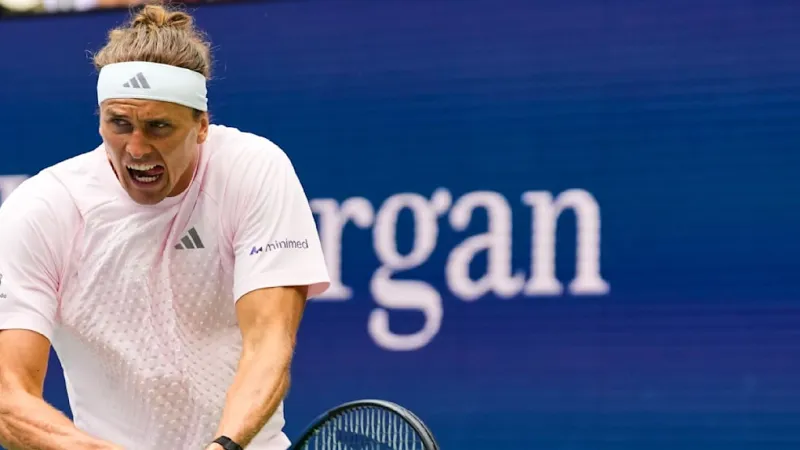
New York – German tennis luminary Alexander Zverev arrives at the US Open this season with a clear dual objective: to clinch his second major championship and to significantly diminish the points deficit separating him from the world number one ranking. The prestigious tournament, held annually in New York, represents a pivotal opportunity for the 29-year-old to ascend to the pinnacle of men's professional tennis.
Zverev, a formidable presence on the ATP Tour for nearly a decade, has consistently ranked among the elite. His career boasts numerous Masters 1000 titles and an Olympic gold medal, yet a second Grand Slam trophy remains a coveted aspiration following his initial major breakthrough.
His journey to a first Grand Slam victory was a testament to his resilience and evolving game. However, the unique pressures of Flushing Meadows, where he previously reached the final in 2020, present a familiar battleground for the German. That prior final appearance underscored his potential to dominate on the sport's grandest stages, even amidst the absence of a live crowd due to global health circumstances.
Currently occupying a top-tier position, Zverev understands the intricate calculations involved in challenging for the world number one spot. Success at a Grand Slam yields the maximum available ranking points, making the US Open an indispensable event for any player with aspirations of topping the ATP rankings.
The US Open, the fourth and final Grand Slam of the year, often serves as a decisive platform for players to solidify their season or make a late-stage surge. For Zverev, it offers a distinct chance to not only add another major to his resume but also to lay a strong claim to the top spot, currently held by a rival.
The path to glory in New York is never without formidable obstacles. The field at the US Open is traditionally one of the toughest, featuring a host of former champions, rising stars, and seasoned veterans all vying for the same prize. Zverev must navigate a demanding draw, maintaining peak physical and mental conditioning throughout the two-week event.
Observers note Zverev's recent performances have showcased both his powerful serve and improved baseline game. His preparation leading into the hard-court swing has been meticulous, aimed at optimizing his chances in the high-stakes environment of a Grand Slam. Analysts suggest his strategic adjustments and newfound mental fortitude could be key differentiators this year.
The mental aspect of Grand Slam tennis is often as crucial as the physical. For Zverev, overcoming the psychological hurdle of previous near-misses and channeling the immense pressure into productive performance will be paramount. His past experiences, both triumphs and disappointments, have undoubtedly shaped his current approach.
Attaining the world number one ranking transcends mere statistics; it signifies consistent excellence over a 52-week period and confers a unique status in the sport. For Zverev, it would validate years of dedication, sacrifice, and relentless pursuit of perfection, cementing his legacy among the game's all-time greats.
The annals of tennis history are replete with stories of champions who reached the summit after persistent effort. Zverev aims to etch his name into this esteemed list, demonstrating that his journey, marked by both brilliance and setbacks, has prepared him for this ultimate challenge.
Expectations from fans and media are considerable, particularly given the narrative of his previous Grand Slam achievements and his perennial presence near the top of the rankings. How he manages this external pressure will be a fascinating subplot to his US Open campaign.
A strong showing, particularly a title run, at the US Open would not only benefit Zverev personally but would also send a powerful message about the depth of competition at the top of men's tennis, creating a more dynamic and unpredictable landscape.
As the US Open commences, all eyes will be on Alexander Zverev. His ambition is clear, his preparation thorough, and his opportunity immense. The path to perfection, as the German phrase suggests, requires but one more resolute step.