 Angela Stefani
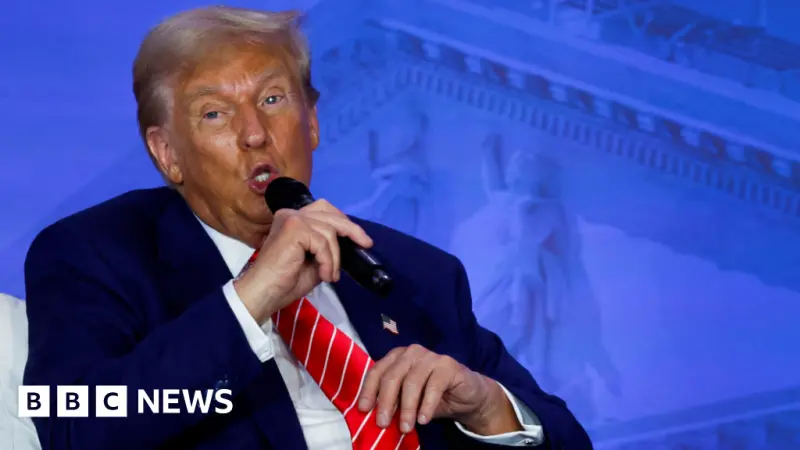
WASHINGTON — The Trump Administration today announced a significant policy shift, signaling a federal loosening of restrictions on medical marijuana, a move expected to streamline patient access and reduce legal ambiguities for states where its use is already legal. The directive, issued by President Donald Trump, aims to harmonize federal enforcement with the growing number of state-level medical cannabis programs and marks a notable departure from decades of prohibitionist policy.
This administrative action specifically targets the enforcement priorities of federal agencies, including the Department of Justice and the Drug Enforcement Administration. Under the new guidelines, federal resources will prioritize cases involving interstate trafficking of illicit substances and violent crime, rather than targeting state-compliant medical cannabis operations and patients.
President Trump, who has often expressed support for states rights, framed the decision as an effort to respect individual state sovereignty while ensuring public safety. The White House indicated the policy adjustment reflects an evolving understanding of cannabis's therapeutic potential and the will of the American populace, a majority of whom reside in jurisdictions with legal medical marijuana programs.
Sources within the administration indicated the changes come after extensive internal reviews and consultations with healthcare professionals, legal experts, and state government officials. The primary objectives are to foster medical research, remove barriers for patients suffering from chronic conditions, and reduce the burden of federal-state conflicts over cannabis legality.
For decades, cannabis remained classified as a Schedule I controlled substance under the federal Controlled Substances Act, a designation implying no accepted medical use and a high potential for abuse. This classification created a persistent conflict, with states implementing medical marijuana laws in defiance of federal prohibition, leading to legal uncertainty for businesses and patients alike.
The move follows a cascade of state-level legislative victories, with more than two-thirds of U.S. states now having legalized medical cannabis in some form. This patchwork of state laws frequently put patients, caregivers, and medical providers in a precarious legal position, often facing federal prosecution despite adherence to state regulations.
Medical marijuana advocates quickly lauded the announcement as a critical step forward. "This decision marks a pivotal moment for patient care and medical freedom in the United States," stated Dr. Alistair Finch, director of the National Medical Cannabis Alliance. "It acknowledges the legitimate medical applications of cannabis and offers much-needed relief to millions."
However, the change is not without its critics. Senator Eleanor Vance, a vocal opponent of broad legalization, cautioned that "while patient access is important, robust federal oversight remains essential to ensure safety, prevent diversion, and protect young people from unintended consequences." She urged continued vigilance from federal health agencies.
The new policy is expected to significantly impact the burgeoning medical cannabis industry. Investors anticipate a surge in legitimate businesses, greater access to banking services previously hampered by federal drug laws, and increased opportunities for pharmaceutical research and development into cannabis-derived medicines.
Economists predict a potential boom in tax revenue for states and the federal government, as the industry moves further into the regulated economy. The easing of restrictions could also spur job creation in cultivation, processing, retail, and ancillary services, contributing to economic growth across various sectors.
While administrative action provides immediate relief, full federal legalization or rescheduling of cannabis would require congressional action. Legal scholars suggest President Trump's directive could serve as a powerful impetus for lawmakers to revisit the Controlled Substances Act and potentially enact comprehensive cannabis reform.
The Food and Drug Administration (FDA) is also expected to play a more proactive role in establishing regulatory frameworks for medical cannabis products, focusing on quality control, labeling, and product safety. This shift aims to transition the market from a largely unregulated state into one with greater consumer protections.
Researchers expect a substantial boost in federally approved studies on cannabis efficacy for various medical conditions, including chronic pain, epilepsy, and multiple sclerosis. Past federal restrictions severely limited the ability of scientists to conduct comprehensive clinical trials, hindering understanding of the plant's full potential.
Despite the positive reception from many quarters, implementation challenges persist. The lack of a uniform federal standard still means that interstate commerce for cannabis products remains complex, and individual state regulations will continue to dictate local market dynamics and patient eligibility.
The Trump Administration's move aligns with a broader trend of bipartisan support for medical cannabis reform, albeit through different approaches. This policy adjustment could also carry political ramifications, potentially appealing to voters across the political spectrum who advocate for individual liberty and medical autonomy.