Gabriella
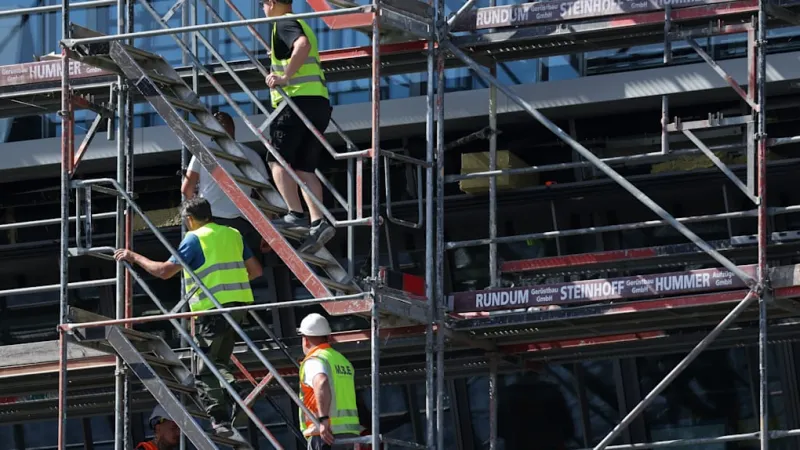
A significant majority of the German workforce, exceeding fifty percent, expresses a strong desire for reduced working hours, according to the findings of a recent national survey. The comprehensive study, which examined prevailing sentiments across various industries, underscores a growing dissatisfaction with current work-life balance and a notable increase in reported exhaustion levels among employees nationwide.
The survey specifically highlights that parents and women bear a disproportionate burden, reporting higher levels of stress and burnout. This demographic often navigates the complex demands of professional careers alongside significant domestic and familial responsibilities, leading to intensified feelings of being overstretched and under-resourced.
The findings point to a broader societal discussion unfolding in Germany regarding labor practices, employee well-being, and the long-term sustainability of traditional work models. As economic pressures persist and the cost of living continues to rise across Europe, workers are increasingly scrutinizing the value exchange within their employment.
Many German employees feel that current working hours contribute directly to their diminished well-being, impacting not only their physical health but also their mental fortitude. The call for shorter working hours is not merely a preference but, for many, a necessity to reclaim personal time and mitigate chronic stress.
This sentiment resonates with wider European trends, where employees are increasingly vocal about the need for greater flexibility and support from employers. Similar calls for improved working conditions and a re-evaluation of the workweek have been observed in other nations, reflecting a continent-wide shift in workforce expectations.
For instance, ongoing discussions in Italy concerning the cost of living crisis and labor conditions reveal a shared concern for worker welfare across national borders. As reported by Eurispes, half of Italians fear worsening fragility amid cost crisis, indicating a parallel strain on the Southern European workforce.
Experts suggest that the demand for shorter working hours could lead to substantial reforms in labor laws and corporate policies. Companies may need to explore innovative scheduling models, increased remote work opportunities, and more robust support systems to retain talent and foster a healthier work environment.
Sociologists and economists are analyzing the potential economic ramifications of such a widespread shift. While some argue that reduced hours could impact productivity, others contend that a well-rested and less stressed workforce is inherently more efficient and innovative, potentially leading to long-term gains.
The debate also touches upon the evolving role of technology in the workplace. With advancements enabling greater automation and efficiency, some argue that the traditional 40-hour workweek may no longer be a suitable or necessary standard for many professions.
Policy makers are now faced with the challenge of balancing economic competitiveness with the imperative of employee well-being. Crafting legislation that addresses these concerns while maintaining Germany's industrial strength will be crucial in the coming years.
The survey results serve as a clear indicator for both government and industry leaders: the German workforce is signaling a critical need for change. Ignoring these widespread sentiments could lead to higher rates of attrition, reduced morale, and potential social unrest within the labor market.
The implications extend beyond individual companies, affecting national productivity and social stability. A workforce struggling with burnout can ultimately undermine economic growth and public health initiatives. Thus, addressing the desire for shorter working hours becomes a multi-faceted challenge.
Future discussions are anticipated to involve labor unions, employer associations, and government bodies to collectively devise actionable strategies. The objective is to formulate solutions that are both economically viable and responsive to the legitimate concerns of millions of German employees.
This call for reform, particularly pronounced among those balancing work and family life, highlights the need for a more equitable distribution of labor and care responsibilities. Addressing these disparities is essential for creating a truly inclusive and sustainable professional landscape in Germany.