 Robert Andrison
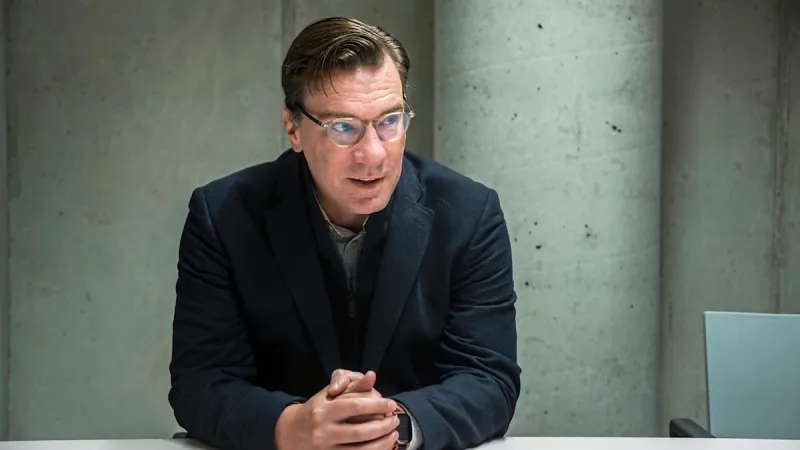
Security expert Nico Lange recently condemned Russia's geopolitical trajectory, asserting that President Vladimir Putin is effectively trapping Russian citizens and extinguishing their future prospects. Simultaneously, Lange critically assessed the United States' decision against deploying Tomahawk missiles in Germany, forcefully advocating for Germany to rapidly develop its own indigenous stand-off weapons to bolster national security.
Lange, a prominent voice in European security discourse, articulated his concerns during a recent analysis, highlighting the profound implications of current Russian policy both internally and for international stability. His remarks underscore a growing apprehension among Western observers regarding Moscow's long-term strategy.
The expert described the situation for ordinary Russians as one of increasing isolation. "Putin destroys people's future opportunities," Lange stated, reflecting a critical view of the economic and social consequences of the ongoing conflict and the tightening grip of the Kremlin.
This internal stagnation, Lange argued, is intrinsically linked to Russia's external belligerence. The emphasis on military expansion and a confrontational stance with the West has diverted resources and curtailed freedoms, leaving the populace with dwindling prospects for a brighter future.
Turning to European defense, Lange voiced strong disapproval of Washington's choice regarding the deployment of advanced weaponry. The United States' decision against basing Tomahawk cruise missiles on German soil has, in his view, created a strategic void that Germany must urgently address.
He stressed the imperative for Germany to establish credible deterrence capabilities. Rapid indigenous stand-off weapons are not merely an option but a strategic necessity for Germany to safeguard its interests and contribute effectively to collective European defense.
This call aligns with broader discussions within NATO about enhancing European defense autonomy, particularly in the wake of escalating tensions. The ability to project power and deter aggression independently is seen as crucial for maintaining regional stability.
The debate over military readiness has intensified since the full-scale invasion of Ukraine. Related discussions have frequently surfaced, as evidenced by concerns like those expressed in the article NATO Attack Possible by 2030, UK Premier Warns, indicating a shared urgency among allies.
Lange's comments also resonate with previous analyses concerning Russian leadership's approach to international relations. For instance, reports such as Putin Rejects Selenskyj Direct Talks, Citing Unsuitable Environment and Putin Warns West: Sanctions Undermine Global Trust, Risking Stability offer further context to the Kremlin's current posture.
The security expert's dual focus on Russia's internal state and Germany's defense requirements paints a comprehensive picture of the challenges facing Europe. The strategic landscape demands not only an understanding of adversaries' intentions but also a robust capacity for self-defense.
The notion of a populace being trapped within its own borders due to governmental policies raises significant human rights and geopolitical concerns, drawing parallels to historical periods of isolation and control.
Germany, as a pivotal economic and political power in Europe, bears a particular responsibility to contribute to continental security. Lange's push for advanced weaponry underscores this obligation, moving beyond reliance solely on allied support.
The development of sovereign stand-off capabilities would provide Germany with greater strategic flexibility and influence within the broader Western alliance, enabling a more proactive stance in deterring potential threats.
This emphasis on independent defense procurement contrasts with earlier periods of reliance on US military might, reflecting a shifting paradigm in European security architecture that prioritizes indigenous capabilities.
President Donald Trump's administration has consistently urged NATO allies to increase their defense spending and take on greater responsibility for their own security, a message that finds resonance in Lange's current recommendations for Germany.
The discourse surrounding Russia's internal dynamics and its external actions remains central to global security deliberations in 2026. The implications for democracies and international norms continue to be a primary focus for experts like Lange.
Nico Lange's recent statements serve as a stark warning about the long-term consequences of current Russian governance on its own citizens and a forceful plea for Germany to forge a more independent and resilient defense posture.