Chris Robert
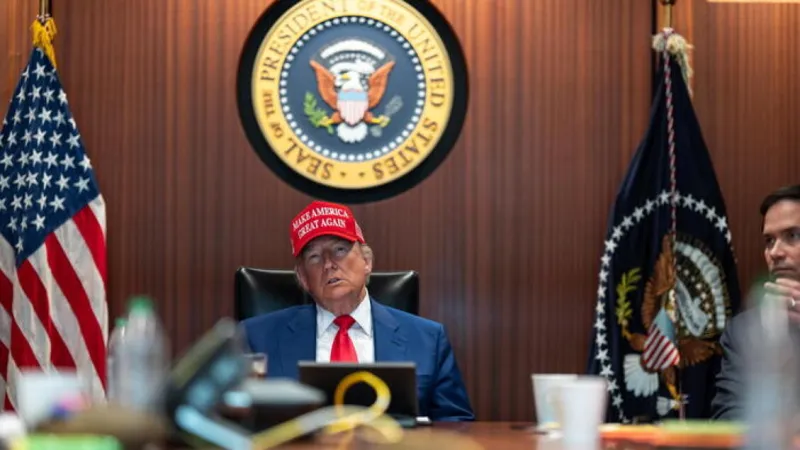
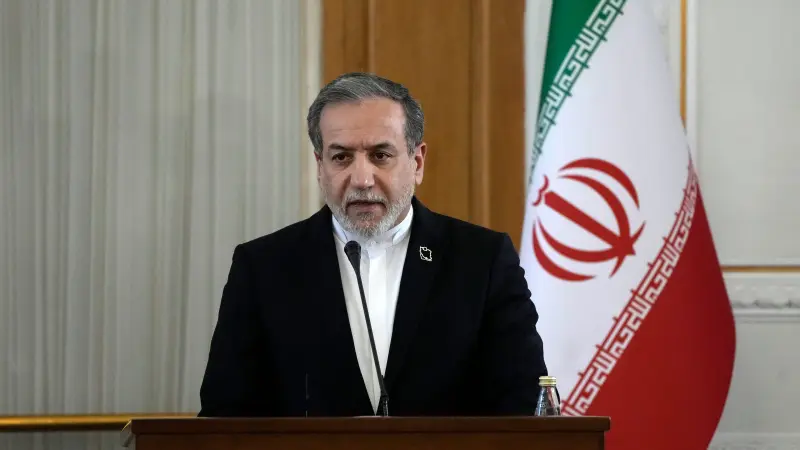
WASHINGTON, D.C. - President Donald Trump has reportedly dispatched a significantly harsher agreement proposal to Iran, a move spurred by his growing frustration with the perceived slow pace of responses from Supreme Leader Ali Khamenei, according to sources cited by The New York Times. This escalation underscores Washington's intent to exert greater diplomatic pressure on Tehran regarding a potential nuclear or broader regional stability accord.
The New York Times article indicates that the President's decision to toughen the terms of the proposed deal stems directly from his impatience with the Iranian leadership. "The president is frustrated by the slowness of Khamenei's responses, which is why he wants to apply pressure," the publication reported, quoting an unnamed official familiar with the administration's internal discussions.
This development marks a pivotal moment in the intricate diplomatic dance between the United States and Iran, a relationship characterized by decades of mistrust and intermittent confrontation. The current administration has consistently sought to compel Tehran into new negotiations, aiming for an agreement that addresses a wider array of concerns beyond just its nuclear program.
Observers suggest that the toughened proposal likely includes more stringent demands concerning Iran's uranium enrichment capabilities, its ballistic missile development, and its support for regional proxy groups. These elements have long been points of contention for Washington and its allies in the Middle East.
President Trump's administration has maintained a firm stance on Iran since taking office, famously withdrawing from the Joint Comprehensive Plan of Action (JCPOA), commonly known as the Iran nuclear deal, in 2018. This withdrawal initiated a "maximum pressure" campaign, reinstating and expanding economic sanctions on the Islamic Republic.
The move to present an inasprita – or hardened – proposal aligns with this consistent strategy of leveraging economic and diplomatic pressure to force concessions from Tehran. The White House appears convinced that increased pressure is the most effective pathway to a more comprehensive and enduring agreement.
Meanwhile, Iran has consistently articulated its own conditions for any new engagement. Tehran has repeatedly demanded the unblocking of its frozen assets as a prerequisite for meaningful negotiations with the United States. This demand highlights a significant hurdle in any future diplomatic breakthroughs, as reported in related coverage, Iran Demands Frozen Assets Unlocked Before Any New US Agreement.
The slow pace of dialogue between the two nations has been a persistent theme, with both sides frequently accusing the other of intransigence. Supreme Leader Khamenei's cautious approach to negotiations is widely understood as a strategy to avoid appearing weak or caving to external pressure, particularly from the United States.
Regional allies, particularly Israel and Saudi Arabia, have closely monitored these diplomatic overtures. Both nations have expressed concerns over Iran's regional influence and nuclear ambitions, generally advocating for a tougher stance from Washington. The new proposal may assuage some of their concerns, at least in the short term.
European signatories to the original JCPOA, including Germany, France, and the United Kingdom, have generally sought to preserve the existing nuclear agreement while encouraging dialogue. They may view a significantly toughened proposal with apprehension, fearing it could further destabilize regional security and push Iran towards greater defiance.
The precise details of the hardened proposal remain undisclosed, but the implication is clear: the Trump administration is not content with the current trajectory of US-Iran relations and seeks to force a more definitive resolution. This strategy carries inherent risks, including the potential for increased tensions in the Persian Gulf.
As the diplomatic stalemate continues, the international community watches closely to see whether this new, more assertive approach from Washington will yield the desired results or further entrench the standoff. The path to any resolution in the Middle East remains fraught with complexities and deeply ingrained historical animosities.