 Demian Sahputra
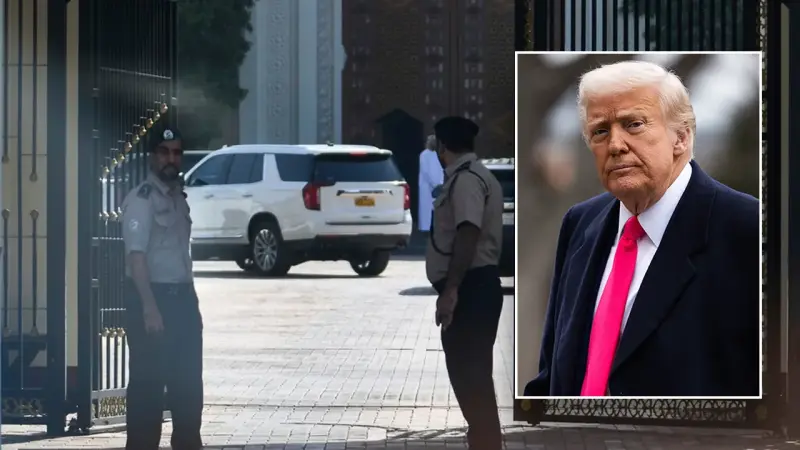
Tehran, Iran has intensified its demands on the United States, asserting that the release of billions in frozen foreign assets is an essential precondition for any further diplomatic negotiations aimed at a comprehensive agreement. This escalation of pressure comes as talks with Washington reportedly advance, signaling a firm stance from the Islamic Republic before deeper engagement can proceed.
The demand centers on substantial funds, primarily oil revenues and other national assets, that remain inaccessible to Tehran due to stringent international sanctions. These economic restrictions, largely imposed by the United States and its allies, have severely hampered Iran's economy, limiting its access to global financial systems and resources.
For Iran, the unblocking of these frozen assets represents a critical step toward economic relief and a tangible demonstration of good faith from the American side. Iranian officials have consistently argued that these funds rightfully belong to the nation and are vital for its economic stability and development.
The current negotiations, though not explicitly detailed by either side, are widely understood to involve efforts to de-escalate regional tensions and potentially revisit aspects of a broader nuclear understanding. The 2015 Joint Comprehensive Plan of Action, from which the US withdrew, remains a complex backdrop to these ongoing diplomatic overtures.
President Donald Trump's administration faces a significant diplomatic challenge. While seeking stability and de-escalation, Washington must weigh the implications of ceding to Iran's demands against its long-standing policy of maintaining pressure through sanctions to curb Tehran's nuclear program and regional activities.
Experts on international relations suggest that this demand for the release of Iran frozen assets could either be a calculated maneuver to gain leverage in prolonged talks or a genuine non-negotiable condition. The outcome will significantly shape the trajectory of US-Iran relations for the foreseeable future.
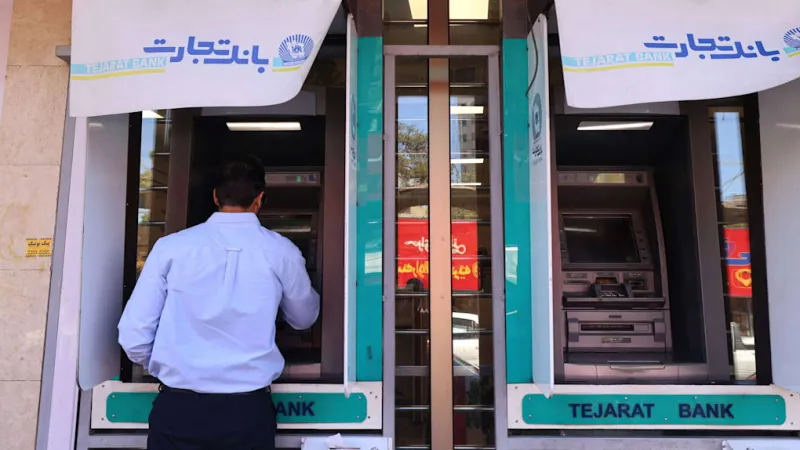
The frozen funds are held in various international banks, notably in Asian and European nations, which have complied with US sanctions. The mechanics of their release would involve complex legal and financial processes, requiring explicit authorization and cooperation from multiple global actors.
Historically, the unfreezing of assets has often been a contentious but sometimes necessary component of broader diplomatic resolutions between adversarial states. The scale of the funds at stake underscores the high economic leverage Iran believes it holds in these negotiations.
This latest development arrives amidst persistent tensions in the region, exemplified by incidents such as the Iranian missile strikes on a Kuwait base, which wounded five Americans earlier this year, highlighting the volatile nature of US-Iran relations.
Further underscoring the delicate security environment, the US military engaged a cargo ship in the Gulf of Oman recently following warnings, illustrating the continuous need for careful diplomatic navigation in this critical maritime corridor.
As President Trump's administration navigates this intricate diplomatic landscape, the demand for access to Iran frozen assets adds another layer of complexity to an already fraught relationship, making any path to a lasting agreement an arduous one.