 Dodi Irawan
KUWAIT CITY – An Iranian missile struck a U.S. military installation in Kuwait recently, resulting in injuries to five American service members and damage to two advanced Reaper drones. The incident has intensified concerns over escalating regional instability in the Middle East.
The five Americans sustained injuries from flying debris following the impact, according to initial reports from defense officials. Their conditions were not immediately disclosed, but sources indicated the injuries were not life-threatening. The strike marks a direct confrontation, challenging strategic U.S. military presence in the Arabian Gulf.
This latest act of aggression comes amid an already volatile period in the region. Tensions have been particularly high, with the Israeli Defense Forces (IDF) continuing operations in Lebanon, as reported by various international news outlets. The confluence of these events paints a picture of a deeply fractured geopolitical landscape.
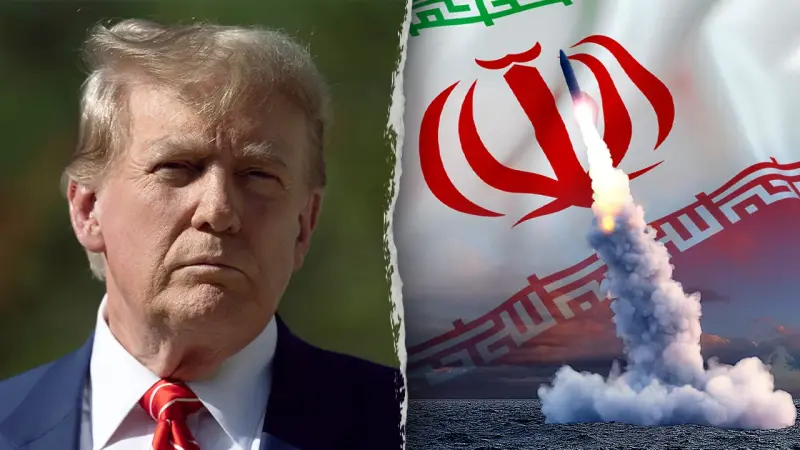
While no immediate official statement emerged from Tehran regarding responsibility, the U.S. Department of Defense confirmed the Iranian origin of the projectile. The administration of President Donald Trump is expected to respond decisively, with diplomatic and military options likely being weighed in Washington.
The strike on a U.S. asset in Kuwait could precipitate a significant shift in American foreign policy in the Middle East. President Trump has consistently emphasized protecting American personnel and interests abroad, and this event will undoubtedly test that commitment. Security analysts are closely watching for any retaliatory measures.
The presence of U.S. forces in Kuwait dates back decades, solidified after the 1991 Gulf War and serving as a crucial hub for operations across the wider Middle East. The base in question is vital for intelligence gathering, drone surveillance, and logistical support for various missions in the region.
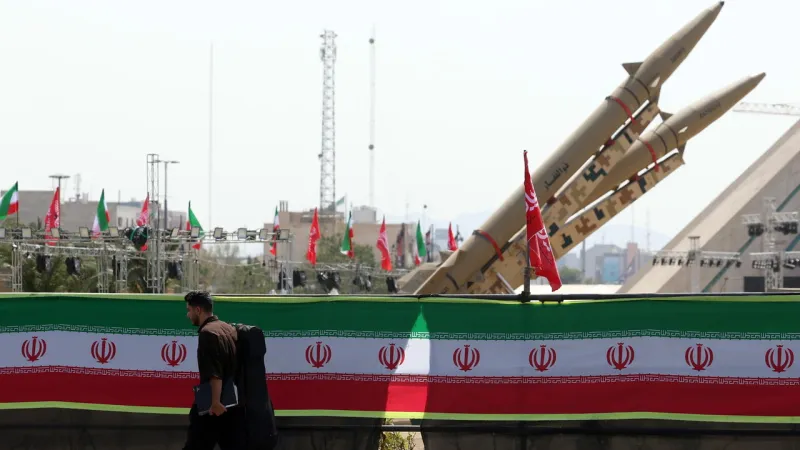
The use of such a missile by Iran represents a clear escalation of its proxy engagements, moving toward more direct attacks on U.S. assets. This development highlights Iran's growing ballistic missile capabilities and its willingness to deploy them in politically charged scenarios, irrespective of international condemnation.
Regional allies, including Saudi Arabia and the United Arab Emirates, are reportedly monitoring the situation with grave concern. Such incidents raise fears of a wider conflict that could destabilize global energy markets and lead to humanitarian crises. The ripple effect of this action could be far-reaching.
The incident also underscores the inherent risks faced by American service members deployed in sensitive geopolitical flashpoints. Ensuring their safety while maintaining strategic deterrence against hostile actors remains a delicate balancing act for military planners.
Diplomatic channels between the U.S. and Iran remain largely strained, with minimal direct communication. Third-party intermediaries often play a role in de-escalation efforts, though the effectiveness of such interventions during heightened tensions is often limited.
Defense experts suggest the attack might be a response to perceived U.S. or allied actions elsewhere in the region, though specific triggers remain unconfirmed. Iran has historically leveraged its missile program as a strategic deterrent and a tool for asserting regional influence.
The damage to two Reaper drones, integral to U.S. surveillance and strike capabilities, is particularly noteworthy. These unmanned aerial vehicles are critical for monitoring militant groups and providing intelligence support, making their compromise a significant operational setback.
This recent missile strike undoubtedly elevates the stakes for all parties involved. The international community now faces the daunting challenge of preventing a full-scale regional war, emphasizing the urgent need for restraint and diplomatic engagement. The delicate stability of the Middle East hangs precariously in the balance.