 Robert Andrison
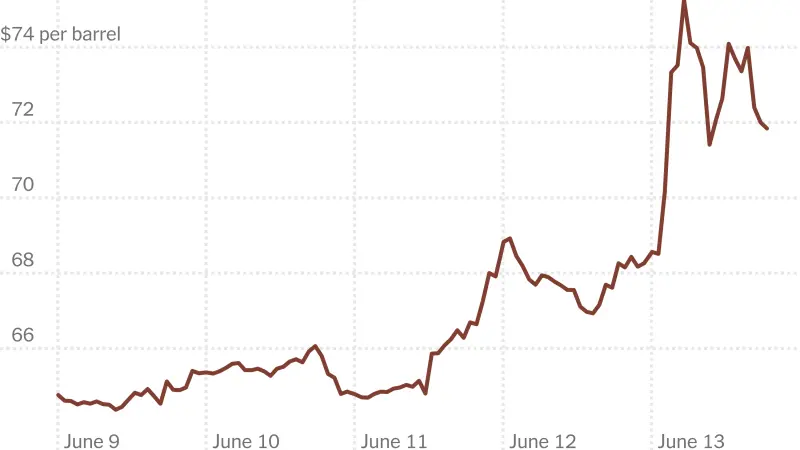
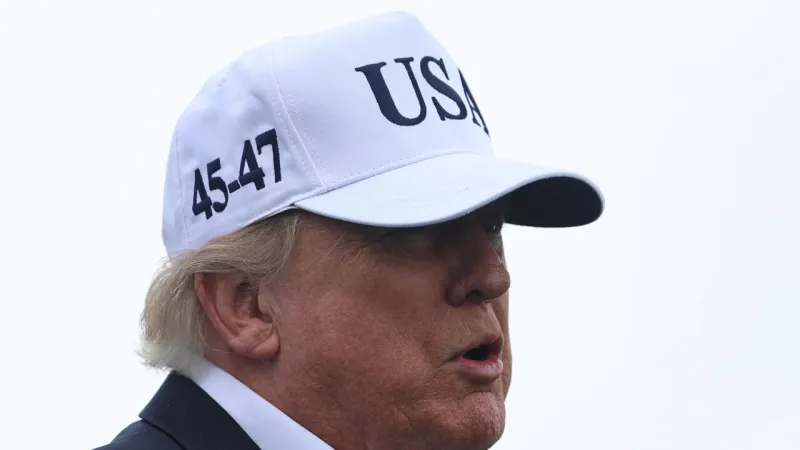
WASHINGTON — Global oil prices surged to their highest levels in weeks today amidst widespread market speculation and credible reports indicating President Donald Trump is preparing to extend the comprehensive blockade against Iran, a move expected to further tighten global crude supplies and drive up energy costs for consumers and businesses worldwide in 2026.
Brent crude futures climbed 2.8 percent, trading at $88.50 per barrel, while West Texas Intermediate (WTI) futures saw a similar rise, hitting $84.20 per barrel. Traders cited renewed concerns over supply disruptions from the Middle East as the primary catalyst for the market rally.
The current blockade, first imposed by the Trump administration, targets Iran's critical oil exports, a primary source of revenue for the nation. Extending these measures would solidify the administration's policy of maximum pressure aimed at curtailing Iran's nuclear ambitions and regional influence.
White House officials, speaking on background, hinted at the Presidents resolve to maintain stringent economic sanctions. One senior aide stated, "President Trump remains committed to ensuring Iran adheres to international norms and ceases its destabilizing activities in the region."
Energy analysts widely expect the extension to remove a significant volume of Iranian oil from the global market, even as other OPEC+ nations attempt to manage production. This deficit exacerbates existing concerns about tight supplies.
"The market is pricing in a sustained period of reduced Iranian crude availability," commented Dr. Sarah Chen, lead energy economist at Global Insights Group. "This geopolitical factor is now a dominant driver, overshadowing demand-side uncertainties."
The ripple effects are already being felt across various sectors. Industries reliant on petroleum derivatives, from transportation to manufacturing, face increased operational costs, potentially feeding into broader inflationary trends.
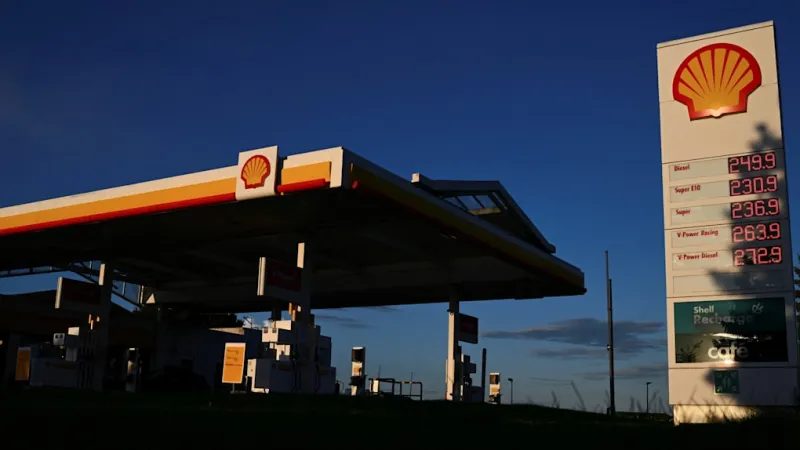
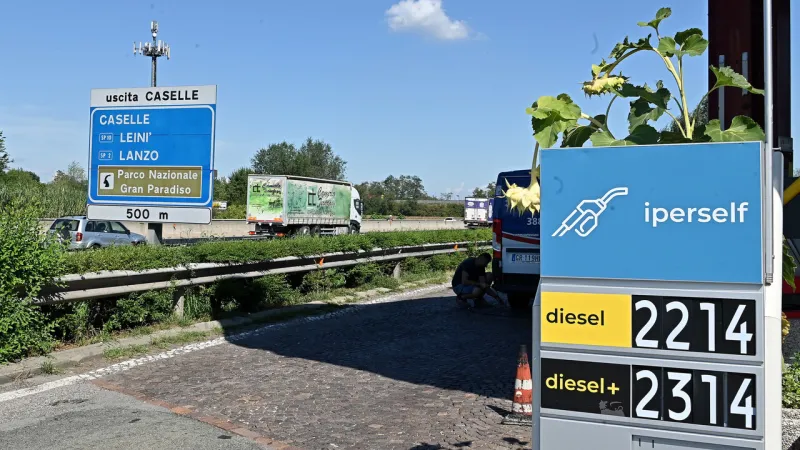
Consumers are likely to feel the pinch at gasoline pumps and through higher prices for goods. The prospect of prolonged elevated energy costs presents a significant challenge for central banks globally, already grappling with economic recovery.
This strategic decision by President Trump underscores a firm stance in US foreign policy towards Tehran. It sends a clear message about the administrations unwavering commitment to its security objectives in the Middle East.
While the international community remains divided on the efficacy of such blockades, many European allies have expressed concerns about the humanitarian impact and potential for escalating regional tensions.
Iran has consistently condemned the sanctions as illegal and an act of economic warfare. Its limited capacity to sell oil through unofficial channels may not be sufficient to offset the severe financial strain imposed by sustained restrictions.
The situation raises questions about the long-term stability of global energy markets and the ongoing pivot towards diversified energy sources. However, in the immediate term, fossil fuels remain central to the world economy.
This development comes as several nations are considering tapping into strategic petroleum reserves to mitigate price shocks, a measure that could offer temporary relief but does not address the fundamental supply-side issues.