 Debby Wijaya
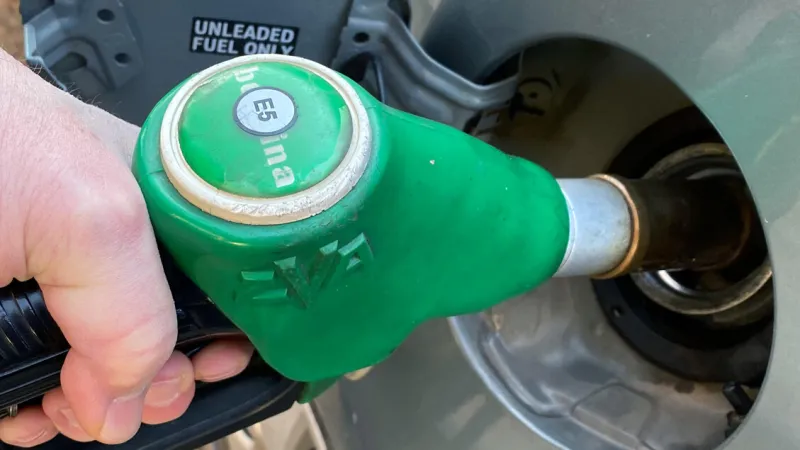
Brussels, Belgium -- The European Union is reportedly weighing a decision to freeze the existing price cap on Russian crude oil at $60 per barrel, according to sources familiar with the matter, as officials navigate complex global energy markets and geopolitical tensions. This evaluation comes amidst forecasts predicting an increase in market prices this summer, although specific projections indicate they are expected to hover around $44 per barrel.
This potential move, initially reported by Bloomberg, signals the EU's cautious approach to its sanction regime against Moscow. The bloc aims to maintain pressure on Russian revenues while preventing severe disruptions to the global oil supply chain.
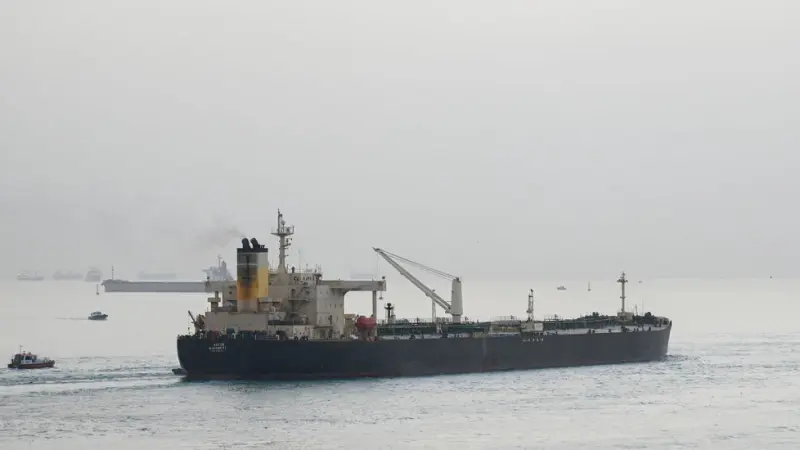
The price cap mechanism, imposed by the G7 nations, the EU, and Australia in December 2022, restricts the sale of Russian seaborne crude oil above $60 per barrel to third countries using Western maritime services. Its primary objective is to curb Russia's ability to finance its military actions in Ukraine.
Energy analysts have been closely monitoring the crude oil market, with recent projections suggesting a rise in prices over the summer months. Despite this anticipated uptick, the specific forecast referenced by Bloomberg indicates Russian oil could trade around $44 per barrel, below the current $60 cap, reflecting a nuanced market reality where the cap may still exert influence even if not actively breached by trading prices.
A prominent Russian energy executive, identified only as Dmitriev, asserted in a statement, "Europe needs us to survive." This defiant declaration underscores Moscow's belief in its indispensable role in the global energy landscape and its continued leverage despite punitive measures.
The decision to freeze the cap reflects the EU's ongoing dilemma: balancing punitive measures against Russia with safeguarding its own economic stability and preventing energy price spikes for its member states. Any adjustment to the cap could have significant ripple effects across the continent and beyond.
While the $60 cap has constrained Moscow's oil earnings, market fluctuations and Russia's ability to find alternative buyers and shipping services have complicated its full effectiveness. Freezing the cap at its current level aims to continue this pressure without risking an unintended supply shock.
The global energy market remains highly volatile, influenced by geopolitical conflicts, production decisions by OPEC+ nations, and demand fluctuations. The EU's deliberation occurs against a backdrop of wider efforts to stabilize energy supplies and transition towards renewable sources.
The ongoing war in Ukraine forms the critical geopolitical backdrop for these discussions. Measures like the oil price cap are central to the Western alliance's strategy to debilitate Russia's war machine and limit its resources for continued aggression.
Implementing and enforcing the price cap has presented challenges, including monitoring evasions and ensuring compliance from international shipping and insurance firms. A frozen cap could potentially simplify enforcement, or conversely, incentivize new evasion tactics if market prices diverge significantly.
Member states within the EU often hold diverse views on the stringency of sanctions. Some advocate for stronger measures, while others prioritize economic stability and affordable energy. The current evaluation likely involves intricate negotiations to achieve consensus among the twenty-seven member nations.
As summer approaches, the EU's decision will be keenly watched by international markets and political observers. The outcome will not only shape the future of Russian oil trade but also influence the broader dynamics of global energy security and international sanctions policy.
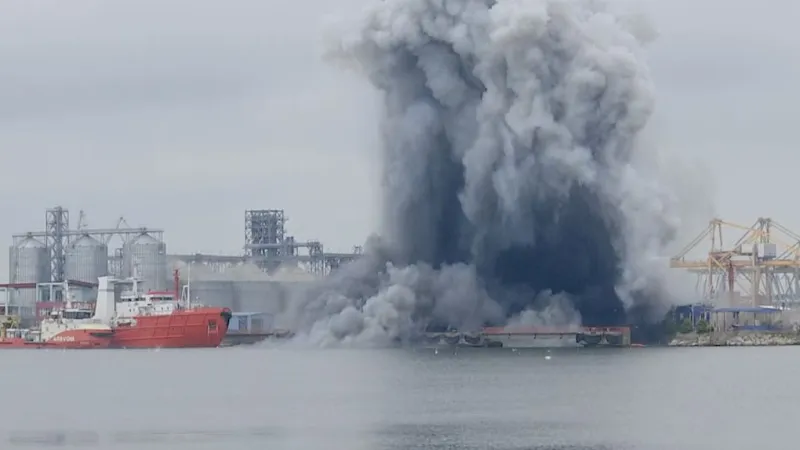
Furthermore, the vulnerability of Russian energy infrastructure, evidenced by incidents such as Ukrainian drones sparking massive blazes at Russian fuel depots, adds another layer of complexity to the global oil supply outlook and the efficacy of Western sanctions.
The broader context of global energy supply challenges, including concerns over potential disruptions in critical maritime passages, has led to Gulf States' urgent quest for new oil routes, highlighting the persistent fragility of international energy transport and the interconnectedness of energy security concerns.