 Angela Stefani
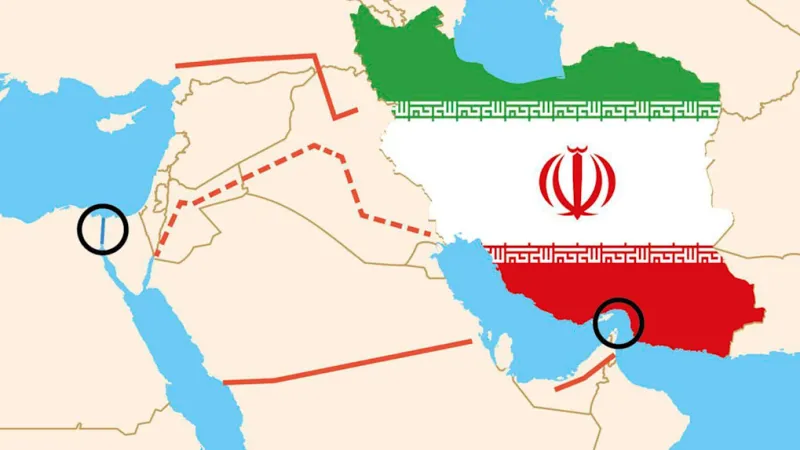
The crucial Strait of Hormuz faces a substantial blockade by Iran, causing a considerable backlog of oil tankers and triggering an urgent scramble among Gulf states to secure alternative export routes. This decisive action by Tehran jeopardizes global energy supplies and compels regional powers to accelerate long-term infrastructure projects and explore unconventional measures to bypass the strategic chokepoint.
The Strait of Hormuz, a narrow waterway connecting the Persian Gulf with the Arabian Sea and the Gulf of Oman, serves as the world's most vital oil transit chokepoint. Approximately one-fifth of global oil consumption, equivalent to around 20 million barrels per day, passes through its waters, making any disruption a severe threat to international markets.
Iran's latest action escalates tensions in a region already fraught with geopolitical complexities. While specific motivations for the current blockade remain subject to international speculation, such moves are often linked to broader diplomatic pressures, economic sanctions, or responses to perceived foreign interventions. Previous reporting has highlighted how Iran Demands Frozen Assets Unlocked Before Any New US Agreement, suggesting a potential linkage to financial leverage.
For the oil-rich Gulf states, including Saudi Arabia, Kuwait, United Arab Emirates, and Qatar, the Strait of Hormuz represents their primary conduit for crude oil exports. Its closure directly impedes their ability to deliver oil to international markets, threatening their economies and the stability of global energy prices. The blockage underscores a long-standing vulnerability for these nations.
In immediate response, these nations are intensifying their search for viable bypasses. Long-planned pipeline projects, designed to transport oil directly to ports outside the Persian Gulf, are now being prioritized with unprecedented urgency. These infrastructure endeavors aim to create secure harbors that circumvent the Strait's strategic bottleneck.
Countries like Saudi Arabia possess the East-West Pipeline, also known as Petroline, capable of transporting crude from its eastern oilfields to Red Sea ports. The United Arab Emirates also utilizes the Habshan-Fujairah pipeline. These existing, or planned, systems represent critical avenues for re-routing oil, though their current capacity might not fully offset the volume typically transiting Hormuz.
Developing or significantly expanding such infrastructure is a capital-intensive and time-consuming undertaking. Construction, regulatory approvals, and logistical complexities mean that a full alternative export capacity cannot be achieved overnight, potentially leaving a prolonged period of vulnerability and market uncertainty.
The reference to some countries resorting to unconventional means suggests a range of possible responses beyond traditional infrastructure projects. This could imply intensified diplomatic initiatives, strategic alliances, or even augmented security measures around nascent or existing alternative routes to ensure their protection and operational continuity.
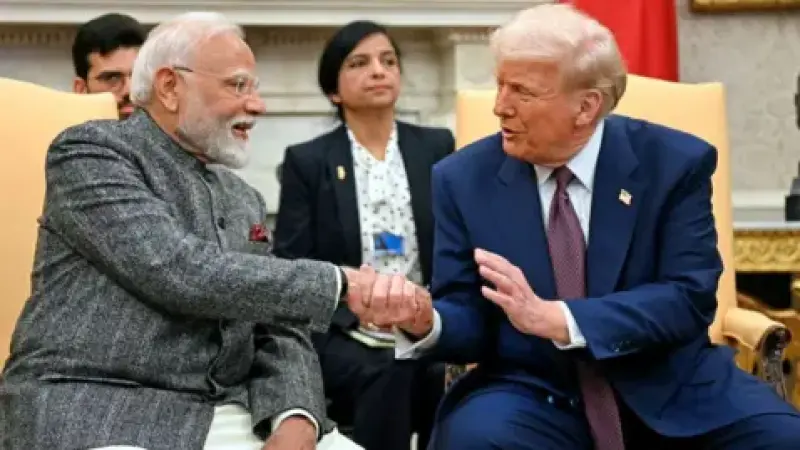
The international community watches the situation closely, recognizing the immense implications for global economies. President Donald Trump, who has consistently adopted a firm stance on Tehran, notably demanding a Harsher Iran Deal Amid Khamenei Delays, will likely intensify diplomatic and strategic efforts to de-escalate or counter the Iranian move. The presence of US Forces in the Gulf of Oman further underscores the delicate security situation.
Analysts project that a sustained closure of the Strait of Hormuz could send crude oil prices soaring, destabilizing markets worldwide and potentially tipping fragile economies into recession. Energy-importing nations would face severe economic headwinds, impacting consumers and industries alike.
Beyond the immediate crisis, this event accelerates a broader strategic rethinking among Gulf states regarding their long-term energy security. Diversifying export routes and reducing reliance on the Strait of Hormuz becomes not merely an economic imperative but a matter of national strategic resilience against future geopolitical pressures.
While pipeline projects offer a structural solution, their implementation requires significant time. In the interim, the world remains keenly focused on diplomatic resolutions and the potential for a swift de-escalation of the Hormuz blockade, a pivotal artery for global energy flow.