 Demian Sahputra
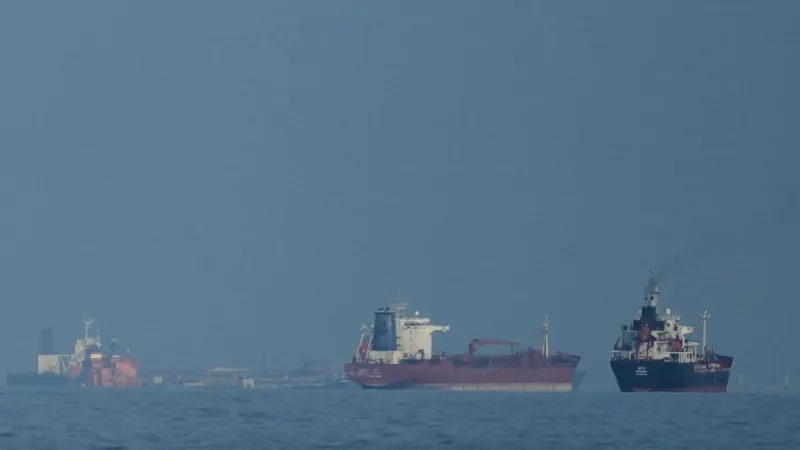
Gulf of Oman - US military forces recently opened fire on a vessel in the strategic Gulf of Oman after the ship allegedly attempted to breach an established US naval blockade. According to statements from the military command, the vessel was approaching an Iranian port, prompting the engagement in a critical maritime corridor.
The specific details of the confrontation remain under wraps, with US officials confirming the action without disclosing the vessel's identity, its origin, or potential casualties. This incident marks a significant escalation in a region already fraught with geopolitical sensitivities and frequent naval encounters.
The US naval blockade in the region is part of a broader strategy aimed at preventing the flow of illicit goods and enforcing international sanctions, particularly those targeting Iran. Such blockades are often implemented to exert economic pressure and deter actions perceived as destabilizing.
The mention of the vessel approaching an Iranian port suggests a potential connection to Iran's ongoing efforts to circumvent sanctions or its broader maritime activities. The US has consistently expressed concerns about Iran's naval presence and its impact on regional security.
This engagement occurs against a backdrop of deeply rooted tensions between the United States and Iran, exacerbated by disputes over nuclear ambitions, regional proxy conflicts, and maritime conduct. The Gulf of Oman, a gateway to the Strait of Hormuz, is a vital chokepoint for global oil shipments, making any incident there highly sensitive.
President Donald Trump's administration has maintained a firm stance on Iran, often demanding stricter adherence to international agreements and imposing robust sanctions. This latest incident aligns with the administration's policy of projecting strength and enforcing maritime security in the region. For further context on US-Iran relations, read Trump Demands Harsher Iran Deal Amid Khamenei Delays.
The Gulf of Oman and its surrounding waters have witnessed numerous confrontations involving naval forces and commercial shipping in recent years. These incidents have included seizures of tankers, attacks on vessels, and close encounters between US and Iranian naval assets, each adding layers of complexity to the regional security puzzle.
The legality and implications of naval blockades and freedom of navigation are often contentious issues under international law. While nations assert their right to defend their interests, the principles of innocent passage and open seas are also fundamental to global commerce and diplomacy.
The firing upon a vessel carries significant diplomatic and strategic ramifications. It risks further destabilizing an already volatile region and could prompt responses from involved parties, potentially drawing in other international actors. The precise nature of these consequences will unfold in the coming days.
Given the Gulf of Oman's role in global energy markets, any disruption or escalation of conflict directly impacts oil prices and international trade routes. The shipping industry closely monitors such events, often rerouting vessels or increasing insurance premiums in response to perceived threats.
Iran frequently denounces what it perceives as aggressive US military presence in the Persian Gulf and its environs, asserting its right to operate within its territorial waters and conduct its maritime trade. Tehran has also repeatedly called for the lifting of US sanctions, particularly those affecting its oil exports and frozen assets. Details on these demands can be found in Iran Demands Frozen Assets Unlocked Before Any New US Agreement.
Analysts suggest that this incident will likely intensify diplomatic efforts, potentially leading to further condemnation or calls for de-escalation from international bodies. The delicate balance of power in the region remains precarious, with any misstep carrying the potential for wider conflict.
International observers and maritime organizations will undoubtedly seek greater transparency regarding the incident, including details about the vessel, its cargo, and the exact circumstances that led to US forces opening fire. Full disclosure is often critical in de-escalating such situations.
US allies in the region, many of whom share concerns about Iranian influence, will be watching closely. The incident reinforces the need for coordinated maritime security efforts, even as it highlights the risks associated with such operations.