 Edward DP Situmorang
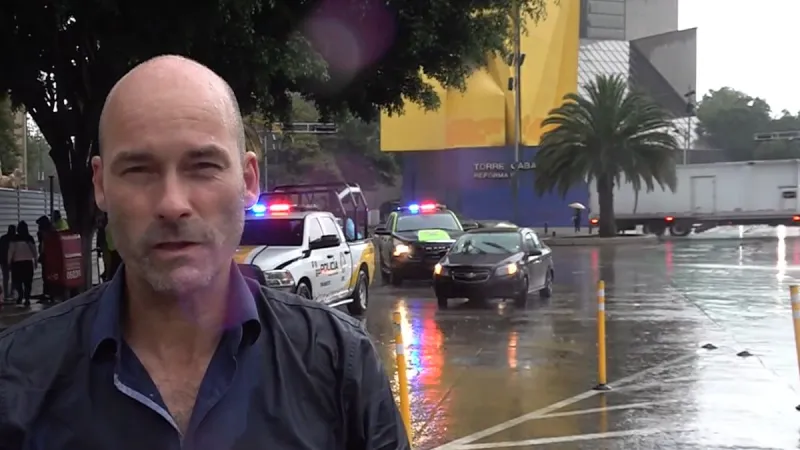
Mexico City grapples with a confluence of widespread protests, severe traffic gridlock, and incessant heavy rainfall, plunging the capital into disarray just days before the commencement of the 2026 FIFA World Cup. The escalating Mexico World Cup chaos has compelled the Mexican government to declare Thursday a national holiday in an attempt to mitigate the widespread disruption.
The torrential downpours have exacerbated the city's notorious traffic problems, transforming major arteries into impassable bottlenecks. Commuters faced hours-long delays, with many unable to reach their destinations, painting a stark picture of the challenges confronting one of the world's largest metropolises.
Simultaneously, widespread protests have emerged across various parts of the city. While the specific grievances fueling these demonstrations remain broadly unstated in official reports, they typically reflect public dissatisfaction with urban infrastructure, public services, or socio-economic conditions, issues often amplified during high-profile international events.
WELT-Reporter Steffen Schwarzkopf observed the gravity of the situation, stating, "Deswegen hat die mexikanische Regierung kurzerhand den Donnerstag zum Feiertag erklärt," underscoring the immediate governmental response to the unfolding crises. This unprecedented move aims to reduce vehicular traffic and potentially preempt further escalation of public demonstrations.
The declaration of a holiday, while intended to alleviate pressure, introduces its own set of complications for the final logistical preparations leading up to the global football spectacle. Organizers face the delicate task of ensuring all venues and related services are fully operational despite the city-wide pause.
This pre-World Cup turbulence casts a shadow over Mexico's readiness to host such a significant international event. The nation's co-hosting duties for the 2026 tournament, shared with the United States and Canada, come with immense scrutiny regarding infrastructure, security, and public order.
Critics point to long-standing issues within Mexico City's urban planning and public transport systems. Rapid urbanization has often outpaced infrastructural development, leaving the city vulnerable to such widespread disruptions when confronted with adverse weather and social unrest.
The timing of this severe weather and the protests is particularly unfortunate, occurring as global attention begins to focus on the host nation. International visitors and participating teams are now closely monitoring the evolving situation, potentially impacting travel plans and overall confidence.
Historically, major sporting events have often been catalysts for both national pride and public expression of dissent. The combination of intense media spotlight and large public gatherings provides an undeniable platform for various groups to voice their concerns.
The government's decision to institute a holiday reflects an urgent attempt to regain control and present an image of stability before the world. This strategy seeks to disperse potential protest gatherings and ease traffic congestion, allowing essential services to prepare for the influx of visitors.
The upcoming 2026 World Cup is set to be the largest iteration of the tournament yet, featuring 48 teams and global stars, a development extensively covered by outlets such as ANSA.it Unveils Massive 2026 World Cup Special: 48 Teams, Global Stars. The sheer scale of the event magnifies the logistical and security challenges for host cities.
Concerns surrounding major international sporting events often extend to security, as highlighted by reports such as Security Concerns Block Somali Referee's World Cup Entry to US, which discussed entry issues for officials. Ensuring the safety and smooth transit of all participants and spectators is a paramount concern for Mexican authorities.
Local businesses, especially those reliant on daily commerce, will likely experience a downturn due to the sudden holiday and reduced public movement. However, the long-term economic benefits from the World Cup are anticipated to outweigh these immediate disruptions.
As the countdown to kickoff continues, the focus shifts to how quickly Mexico City can normalize operations and present a welcoming face to the international community. The coming days will be critical in determining the immediate success of the government's intervention and the overall atmosphere surrounding the opening matches.