 Angela Stefani
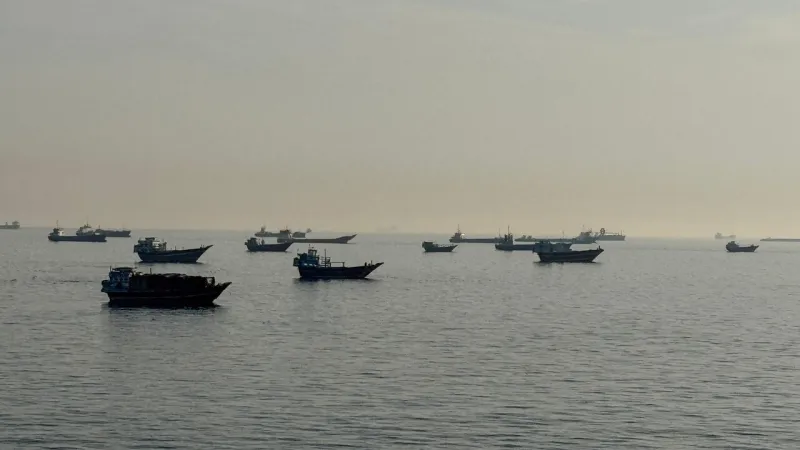
WASHINGTON – Iran has dramatically escalated regional tensions by announcing the closure of the Strait of Hormuz, a critical global shipping chokepoint, while simultaneously launching missiles into the Persian Gulf. These aggressive maneuvers swiftly triggered retaliatory military raids by the United States, which reportedly struck targets within Jordan, further widening the volatile conflict zone.
Tehran's declaration regarding the Hormuz Strait underscores its strategic importance, which Iranian officials have repeatedly emphasized as vital to national security and leverage against adversaries. This stance signals a willingness to disrupt international commerce as a countermeasure to perceived external threats.
The deployment of missiles across the Persian Gulf marks a significant intensification of military posturing. This action places international shipping lanes and regional military installations at heightened risk, exacerbating fears of broader conflict.
In response to these provocations, US forces initiated a series of airstrikes. While the full extent and precise targets of these operations remain under evaluation, early reports indicate that at least some of the American raids impacted areas within Jordan, suggesting a broader geographical scope to the unfolding hostilities.
The White House, under President Donald Trump, has condemned Iran's actions as a severe threat to global stability and maritime freedom. Washington has reiterated its commitment to protecting international shipping and its allies in the region, signaling a firm stance against Iranian aggression.
Analysts note that the closure of the Hormuz Strait, through which a substantial portion of the world's seaborne oil passes, could have profound implications for global energy markets. Such a move would undoubtedly send crude oil prices soaring and disrupt supply chains worldwide.
For years, the Strait of Hormuz has been a flashpoint in the simmering tensions between Iran and Western powers. Iran has long threatened to close the strait in response to sanctions or military pressure, viewing it as a powerful deterrent. This latest move transforms a long-held threat into tangible action.
Regional allies of the United States, including Saudi Arabia and other Gulf states, are closely monitoring the situation. The deployment of Iranian missiles and the threat to shipping directly impact their economic and security interests, potentially drawing more actors into the escalating crisis.
Previous incidents involving naval confrontations and attacks on tankers in the Persian Gulf have underscored the fragility of peace in the region. This new escalation builds upon a history of Iran Escalates Gulf Tensions and challenges to maritime security.
Experts suggest that the strikes within Jordan, while potentially unintentional collateral from broader US operations, could further complicate diplomatic efforts. Jordan is a key US ally and its stability is crucial for regional peace.
As the situation unfolds, international bodies are expected to intensify calls for de-escalation and diplomatic engagement. However, the current actions by both Iran and the United States suggest a period of sustained high tension. Observers are keenly watching for any further military movements or official statements that could indicate the trajectory of this rapidly developing crisis.
President Trump's administration faces immense pressure to navigate this complex scenario without igniting a full-scale regional war, while simultaneously upholding US interests and those of its partners. The decision to conduct retaliatory raids signals a clear intention not to tolerate Iranian provocations.
The closure of the Hormuz Strait represents a calculated risk by Tehran, likely aimed at demonstrating its resolve and imposing economic costs on the international community. The long-term consequences of such a closure, if sustained, could be devastating for the global economy.
Further reports are anticipated regarding the precise impact of the missiles launched by Iran and the targets hit by US forces. The global community remains on high alert, understanding that the ripple effects of this escalation could be far-reaching and profound.
This latest development also brings into sharp focus previous instances of Iranian assertiveness, including reported actions against shipping. The current events echo prior warnings and underscore the ongoing volatility inherent in the strategic Persian Gulf region. The world holds its breath as diplomatic channels struggle to contain the intensifying military activities.