Angel Doris
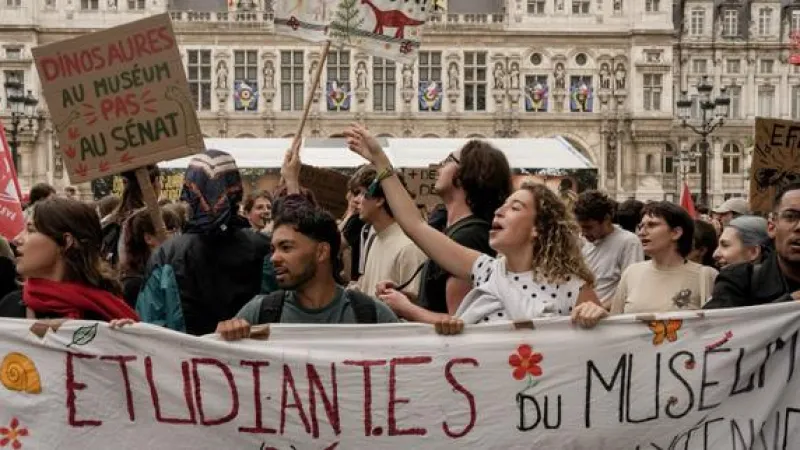
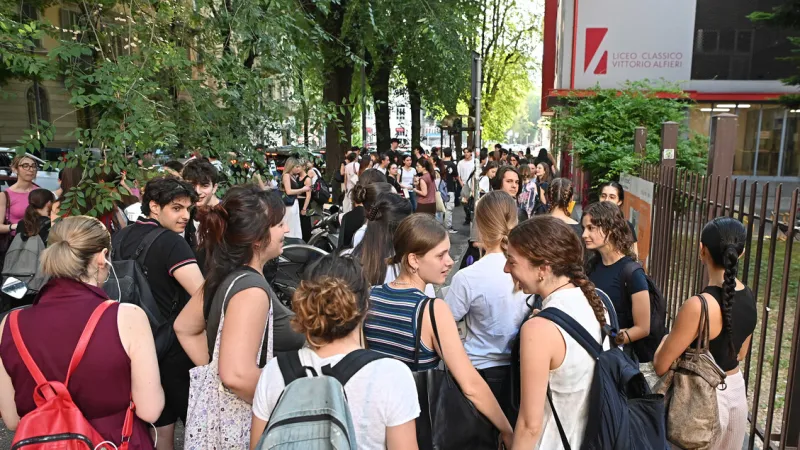
PARIS – France is grappling with escalating student protests, which have led to 147 education staff members sustaining injuries and left 214 high schools closed as of Tuesday, according to the Ministry of National Education. This widespread mobilization, impacting institutions nationwide, also saw student unions report that roughly 90% of the nation's 70 universities were either blockaded or entirely shut down by midday.
The figures underscore a significant disruption to the French education system, reflecting deepening discontent among the student population. This nationwide movement continues to challenge authorities and daily operations at academic institutions across the country.
The reported injuries to education personnel highlight the confrontational nature that some demonstrations have taken. These incidents range in severity and demonstrate the human cost of the ongoing social unrest within the French schooling sector.
While high schools form the core of the initial student movement, the substantial participation from university students signifies a broader societal concern. The Student Union's assessment of widespread university disruption paints a stark picture of the extent of the protest movement, indicating a unified front across different educational levels.
Student protests in France often emerge from grievances over proposed government reforms, austerity measures, or educational policy changes. While the specific catalyst for the current surge has not been detailed by official sources, these movements frequently serve as a barometer for public sentiment regarding youth prospects and educational access.
The Ministry of National Education's announcement regarding closures and injuries indicates the government's close monitoring of the situation and suggests efforts to manage the widespread disruption. The focus on maintaining public order while addressing student concerns becomes paramount for authorities.
The closure of 214 high schools and the blockading of nearly all universities illustrate that the protest is not confined to a single region but represents a truly national outpouring of student discontent. This geographic spread stretches from major metropolitan areas like Paris and Marseille to smaller academic towns, demonstrating the reach of the mobilization.
Such extensive school closures have precedents in French history, where youth movements have often played a pivotal role in shaping public discourse and influencing policy decisions. The current situation echoes earlier periods of significant student mobilization that challenged existing societal norms and government policies. For more on past escalations, read French High School Protests Intensify: Hundreds of Schools Blocked Nationwide.
Although specific demands from the protesting students are not detailed in the ministry's statement, past high school and university protests have frequently centered on issues such as tuition fees, access to higher education, curriculum reforms, and employment prospects post-graduation. Observers anticipate similar underlying themes in the current wave of unrest.
As the protests persist, the government faces increasing pressure to address the underlying causes of student grievances. The sustained closures and reports of injuries indicate a deeply entrenched opposition that will likely require careful diplomatic engagement and negotiation to resolve.
Observers suggest that without a clear path to dialogue or resolution, the French student protests could further intensify, potentially drawing in broader segments of the public and leading to continued civil unrest across various sectors.
The protracted closures and disruptions pose significant challenges for the academic calendar, potentially impacting examination schedules and the continuity of learning for thousands of students across the nation. Educational institutions are likely assessing contingency plans to mitigate these long-term effects.