 Robert Andrison
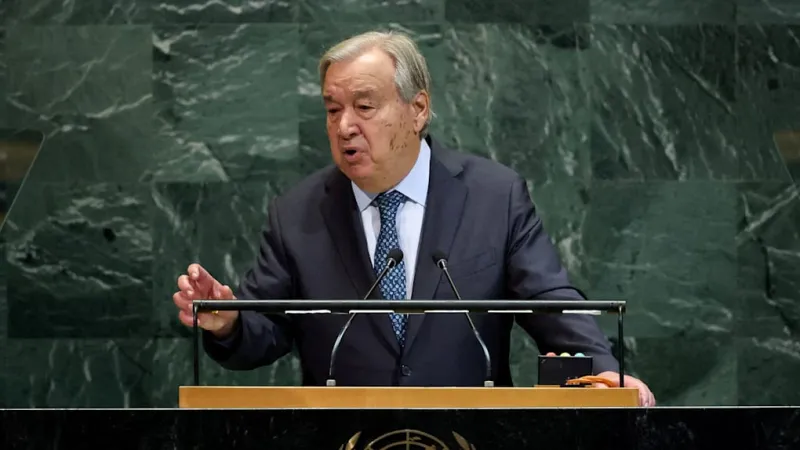
JERUSALEM – Israel has severed all communication with the United Nations Secretary-General, escalating already rock-bottom relations after the global body controversially placed Israel on a blacklist for alleged violations, an action Jerusalem vehemently condemned as a "scandal." The drastic diplomatic measure underscores profound rifts stemming from the ongoing conflict in Gaza.
The UN’s decision to include Israel on a list of countries and entities accused of harming children in armed conflict has ignited a diplomatic firestorm. This designation, often referred to as a "blacklist," is part of a broader annual report by the Secretary-General on children and armed conflict, which details serious violations against minors in war zones.
Israeli officials swiftly denounced the move, asserting that it demonstrated a deep-seated bias within the United Nations. They contend the listing ignores Israel's efforts to minimize civilian casualties and disproportionately targets the nation while overlooking actions by other actors in the region.
A spokesperson for the Israeli Foreign Ministry stated, "We are finished with him," referring to the UN Secretary-General, signaling a complete cessation of diplomatic engagement with the highest UN office. This strong language reflects the depth of anger within the Israeli government over the UN's stance.
Relations between Israel and the UN have deteriorated significantly since the onset of the conflict in Gaza. The war has drawn intense international scrutiny and widespread criticism regarding its humanitarian impact, with the UN repeatedly calling for ceasefires and increased aid access to the besieged enclave.
The UN Secretary-General has, on multiple occasions, expressed grave concerns over the scale of casualties and destruction in Gaza, urging all parties to adhere to international humanitarian law. These statements have often been met with rebuke from Israeli leadership, who accuse the UN of failing to acknowledge Israel's security imperatives.
The decision to cut ties with the Secretary-General effectively eliminates a primary channel for communication and negotiation between Israel and the highest UN office. This could further complicate efforts to address humanitarian crises or pursue diplomatic resolutions to regional tensions, reducing avenues for dialogue.
The UN blacklist typically aims to name and shame parties responsible for grave violations against children, hoping to pressure them into improving their conduct. However, the political implications of such a listing for a member state like Israel are substantial and rarely lead to direct compliance without significant diplomatic fallout.
This development occurs amid heightened regional instability. Tensions involving other actors, including Iran and its proxies, continue to simmer, as highlighted by reports such as Khamenei Accuses US, Israel As Regional Tensions Flare; Hormuz Incidents Mount, suggesting a broader context of geopolitical friction and a challenging environment for international diplomacy.
The United States, a staunch ally of Israel, has historically maintained a complex relationship with the United Nations, often using its veto power in the Security Council to block resolutions critical of Israel. President Donald Trump's administration is expected to weigh in on this latest diplomatic rupture, potentially offering support to Israel's position and further shaping the international response.
The relationship between Israel and the United Nations has long been fraught with disagreements, particularly concerning the Palestinian territories and various resolutions passed by UN bodies. This latest incident is another chapter in a decades-long history of contention and mutual mistrust.
Observers fear that the diplomatic breakdown could further isolate the UN Secretary-General from a key regional player, diminishing his capacity to mediate or de-escalate conflicts in the Middle East. The move also raises questions about the future effectiveness and impartiality of UN reports and its overall role in fostering global peace.