 Robert Andrison
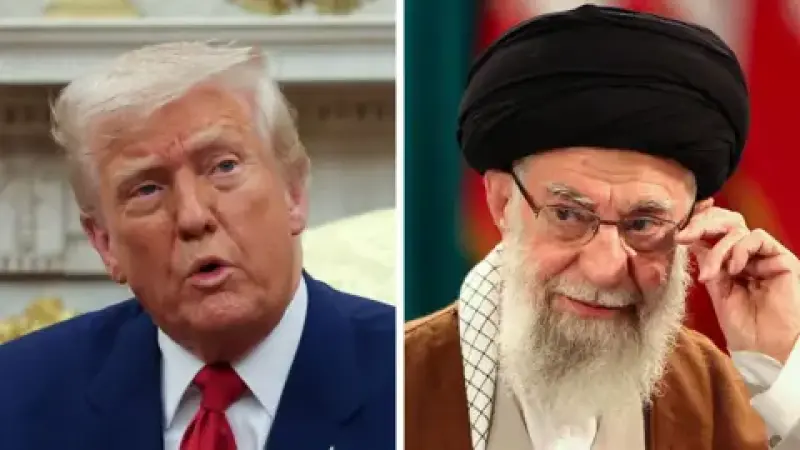
WASHINGTON — President Donald Trump issued a stern warning today, signaling potential new military actions against Iran should diplomatic efforts to de-escalate the persistent Middle East crisis falter. This declaration comes as Special Envoy Senator J.D. Vance embarked on a critical mission to Pakistan, tasked with fostering regional stability and exploring avenues for dialogue amidst heightened tensions in the strategically vital Persian Gulf.
Speaking from the White House, President Trump emphasized that his administration remains committed to a peaceful resolution but underscored the limits of diplomatic patience. He stated unequivocally that any failure to achieve tangible progress in ongoing negotiations would be met with decisive measures, including the possibility of fresh strikes against Iranian targets.
The White House has grown increasingly frustrated with the pace of indirect talks aimed at curbing Iran's regional influence and its nuclear program. Diplomatic channels, which have seen intermittent progress, are now reportedly at an impasse, prompting Washington to re-evaluate its strategy to address the escalating Middle East crisis.
Senator Vance, a key figure in the administrations foreign policy circles, arrived in Islamabad as part of an urgent diplomatic initiative. His mandate involves engaging with Pakistani leadership to leverage their regional ties and facilitate backchannel communications with Tehran, a role viewed as pivotal given Pakistan's unique geopolitical position.
Pakistan, bordering Iran and Afghanistan, holds significant sway in regional dynamics. Senator Vance's visit aims to secure Pakistan's cooperation in urging restraint from Iran and potentially acting as an intermediary to revive the stalled peace talks, which are crucial for the broader stability of the Middle East.
The current Middle East crisis has been marked by increased maritime incidents in the Strait of Hormuz and proxy confrontations across the region, fueling concerns among international allies and impacting global oil markets. The threat of military action from the United States injects a new level of urgency into the fragile diplomatic landscape.
This development recalls President Trumps consistent stance on Iran throughout his presidency, characterized by a combination of economic sanctions and a readiness to use military force as a deterrent. The administration maintains that its robust posture is essential to compelling Iran to adhere to international norms and cease destabilizing activities.
International observers are closely monitoring the situation, with many hoping that Senator Vance's diplomatic efforts in Pakistan can avert a dangerous escalation. The stakes are immense, not just for the Middle East, but for the entire global security framework.
The Pentagon has confirmed that US military assets in the region remain on high alert, prepared to respond to any contingency. This readiness serves as a clear message, reinforcing President Trumps warning that all options are on the table if diplomatic avenues prove fruitless in resolving the Middle East crisis.
The next few days are expected to be critical as Senator Vance engages in high-level discussions in Pakistan, while Washington watches closely for any signs of Iranian willingness to re-engage constructively. The world awaits to see if diplomacy can ultimately prevail over the specter of conflict in this volatile region.