 Angela Stefani
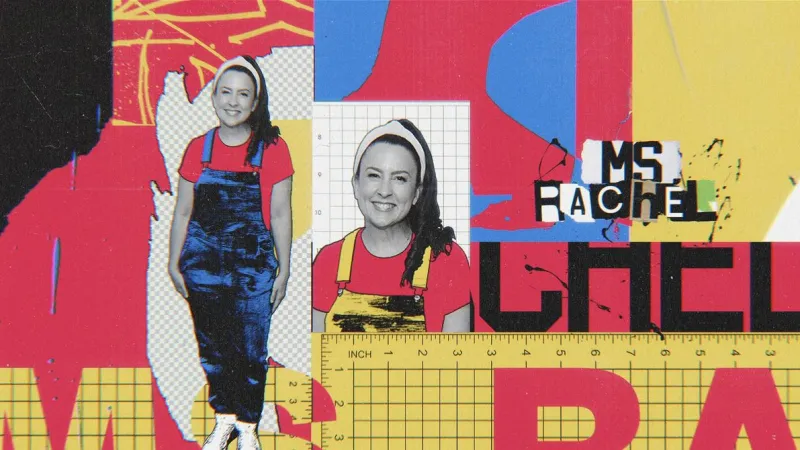
NEW YORK — Ms. Rachel, the beloved childrens entertainer known for her educational YouTube content, significantly broadened her public mission throughout 2025, pivoting from teaching toddlers to challenging adults on critical global child welfare issues. Her unexpected advocacy, spanning from the plight of children in Immigration and Customs Enforcement (ICE) detention centers to the humanitarian crisis in Gaza, implored grown-ups worldwide to assume greater responsibility for the most vulnerable.
For years, Ms. Rachel, whose full name is Rachel Griffin Accurso, cultivated a dedicated following among parents and caregivers through her “Songs for Littles” series. Her gentle demeanor, educational songs, and positive reinforcement created a trusted digital space for early childhood development. This established credibility provided a unique foundation for her subsequent foray into more complex, often politically charged, humanitarian discourse.
The shift in her public messaging marked a deliberate expansion beyond phonics and motor skills. Her social media channels, usually dedicated to parenting tips and educational content, began featuring heartfelt pleas and informative discussions about children facing dire circumstances far removed from the joyful tunes of her primary work. This evolution was not incremental but a discernible and passionate commitment to child advocacy.
Among her early appeals in 2025 were urgent calls to address the conditions faced by children in ICE detention facilities. She highlighted reports detailing inadequate care, psychological trauma, and prolonged separations from family, urging her audience to consider the profound human cost behind immigration policies. Her statements prompted significant online discussion among her extensive parent-base.
Subsequently, as the humanitarian situation in the Gaza Strip escalated, Ms. Rachel became a vocal proponent for Palestinian children. She used her platform to draw attention to the devastating impact of conflict—displacement, lack of access to food and medical supplies, and the severe psychological toll on young minds. Her message underscored the universal right of every child to safety and well-being, irrespective of geopolitical divides.
Sources close to Ms. Rachel indicated her advocacy stemmed from a deep personal conviction that all children deserve protection and a voice, especially when they are unable to speak for themselves. This intrinsic motivation propelled her to leverage her considerable influence, believing that those who entertain children also hold a moral obligation to protect them. She frequently emphasized that caring for children transcends political leanings.
The response from her audience was varied, reflecting the diverse perspectives within her global viewership. Many parents lauded her courage and applauded her use of a childrens entertainment platform to spotlight critical issues. They saw it as an exemplary demonstration of using influence for good, reinforcing values of empathy and social responsibility.
However, some critics questioned the appropriateness of a childrens entertainer engaging in highly sensitive political topics, suggesting it might alienate parts of her audience or inadvertently introduce complex issues to young viewers prematurely. These concerns typically revolved around maintaining the perceived neutrality of a childrens brand, though Ms. Rachel consistently framed her appeals as humanitarian, not partisan.
Her outspoken stance occurred amidst a broader global reckoning with child welfare issues. Reports from organizations like the United Nations Childrens Fund (UNICEF) consistently outline the persistent challenges children face, from poverty and lack of education to violence and exploitation. The increasing visibility of such issues, as highlighted by situations like those detailed in reports such as Rome Hospital Uncovers 100 Child Abuse Cases Annually, Family Violence Soars, underscores the urgency of proactive adult engagement.
Ms. Rachel's actions ignited conversations about the evolving role of public figures, particularly those whose primary audience is children. Her approach suggested a paradigm shift where popular entertainers are not merely passive content creators but active participants in global discourse, using their reach to foster awareness and, ideally, inspire action among adults.
This raises ethical considerations regarding the boundaries of celebrity activism and the potential impact on young audiences. While her direct messages were aimed at adults, the association with her childrens brand inextricably linked the two, prompting parents to navigate these conversations within their own families. Her primary intent, however, remained focused on adult responsibility.
While quantifying the direct policy impact of her individual appeals remains challenging, her consistent messaging undeniably elevated the visibility of these issues within a demographic previously less exposed to them through such a channel. She effectively mobilized a segment of the parenting community, urging them to look beyond their immediate family circles.
Her advocacy also serves as a poignant reminder that discussions surrounding human rights and humanitarian aid are not confined to traditional political or news channels. They can, and often do, permeate unexpected cultural spaces, amplified by individuals with platforms built on trust and community.
Looking ahead, Ms. Rachel's commitment suggests a potential precedent for other public figures in childrens media. Her strategy moves beyond mere charitable donations or awareness campaigns, directly engaging her audience in the moral imperatives of child protection. This ongoing dialogue emphasizes a continuous duty of care.
Ultimately, Ms. Rachel's most impactful lessons of 2025 were not conveyed through sing-alongs or puppet shows. They were delivered through a compelling, unwavering insistence that adults possess the agency and moral obligation to stand up for all children, everywhere, transforming her platform into a potent force for global child advocacy.