 Debby Wijaya
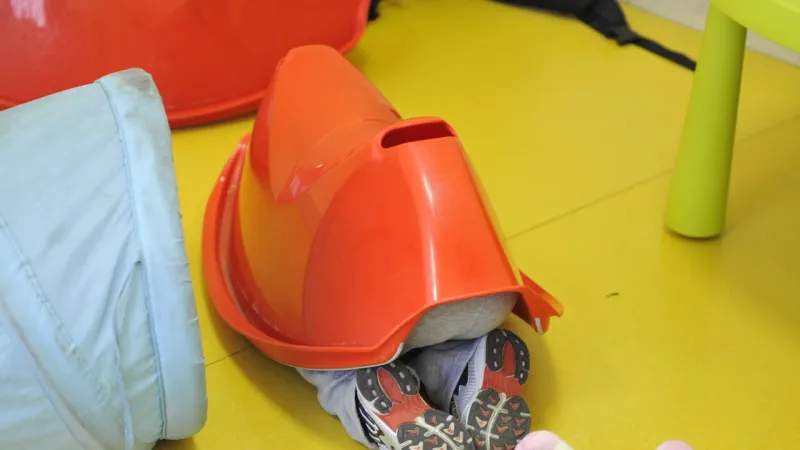
Rome – Bambino Gesù Hospital, a prominent pediatric institution in the Italian capital, registers approximately 100 reports of violence against minors annually, a disturbing statistic that underscores a pervasive societal challenge. A significant majority of these cases, a staggering 80%, occur within the family unit, highlighting the critical threat children often face in environments presumed to be safe havens. Furthermore, the hospital has observed a troubling tripling of requests for neuropsychiatric evaluation over the past year, indicating either a rise in the severity of abuse or a heightened awareness leading to more referrals.
This annual caseload at a single specialized hospital suggests that the true scope of child abuse across Italy may be considerably larger. The 100 reported incidents represent only those severe enough to reach a hospital setting, often after repeated or particularly brutal occurrences, leaving countless other cases potentially undetected or unreported.
The revelation that 80% of reported abuse originates within the family circle is profoundly unsettling. It signifies a profound breach of trust where parents, guardians, or close relatives—individuals entrusted with a child's care and protection—are instead perpetrators. This domestic violence often leaves deep psychological scars, complicating recovery and fostering a sense of betrayal that can last a lifetime.
The threefold increase in requests for neuropsychiatric evaluations is a stark indicator of the evolving crisis. This surge could reflect a greater willingness among professionals and families to seek specialized help for children exhibiting symptoms of trauma, developmental delays, or behavioral issues stemming from abuse. Alternatively, it might point to a rise in the complexity and severity of the violence minors are enduring, necessitating more intensive therapeutic interventions.
Bambino Gesù Hospital plays a crucial role as a frontline institution in identifying and managing these sensitive cases. Its medical and psychological teams are often the first point of contact for abused children, providing essential care, conducting forensic evaluations, and initiating the necessary protective measures and legal procedures.
The long-term consequences of child abuse are devastating, ranging from physical injuries and chronic health problems to severe psychological trauma, including anxiety, depression, post-traumatic stress disorder, and difficulties forming healthy relationships. These impacts can profoundly disrupt a childs development and well-being, influencing their academic performance, social interactions, and future prospects.
Addressing this crisis requires a multi-faceted approach involving not only healthcare providers but also social services, law enforcement, educational institutions, and community organizations. Preventive strategies, such as parental support programs and public awareness campaigns, are essential to break the cycle of violence and foster safer environments for children.
Experts stress the urgent need for enhanced vigilance and collaboration among all stakeholders to identify warning signs early and intervene effectively. Teachers, pediatricians, and even neighbors can play a vital role in recognizing indicators of abuse and reporting concerns to appropriate authorities.
The challenge is compounded by the hidden nature of domestic abuse, which often occurs behind closed doors, making detection difficult. Children, particularly young ones, may be unable or unwilling to disclose their experiences due to fear, shame, or loyalty to their abusers. This silence often allows abuse to persist for extended periods, escalating its severity.
The data collected by hospitals like Bambino Gesù is invaluable for informing public policy and resource allocation. Accurate statistics help policymakers understand the scope of the problem, identify vulnerable populations, and develop targeted interventions and support services to protect minors.
Specialized medical and psychological support is paramount for the recovery of child abuse victims. Access to trauma-informed therapy, psychiatric care, and safe housing is critical to help these children heal from their experiences and build resilience. Hospitals often serve as a gateway to these vital support networks.
This ongoing struggle against violence affecting minors, particularly within the family, demands sustained attention and concerted action from all sectors of society. The welfare of children is a collective responsibility, requiring unwavering commitment to ensure their safety and foster their healthy development.