 Robert Andrison
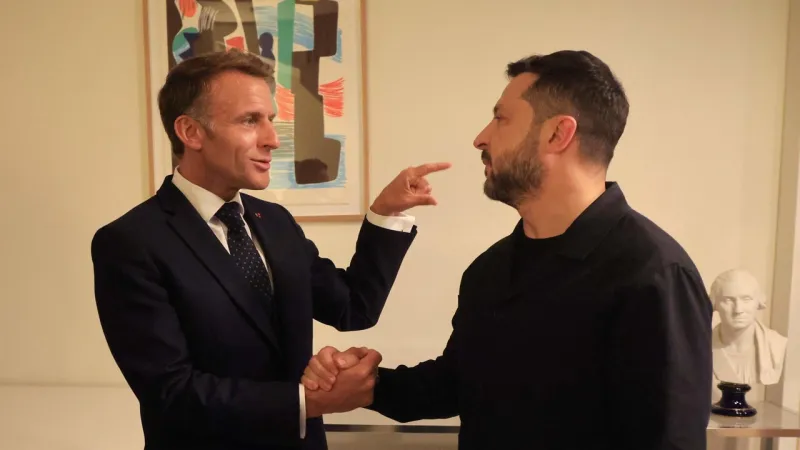
United Nations — France is actively pursuing a United Nations resolution designed to bolster security within the critical Strait of Hormuz. This significant diplomatic initiative unfolds concurrently with an urgent appeal from G7 foreign ministers for Houthi rebels to immediately cease their disruptive attacks in the Red Sea region. On the sidelines of these international deliberations, Ukrainian President Volodymyr Zelensky held a critical meeting with French President Emmanuel Macron.
The proposed Hormuz resolution, championed by Paris, seeks to establish a framework for enhanced maritime surveillance and stability in one of the world's most vital oil transit chokepoints. Diplomatic sources indicate the resolution aims to de-escalate regional tensions and safeguard international shipping lanes against recurrent threats.
The Strait of Hormuz, linking the Persian Gulf with the open ocean, is strategically indispensable, with a substantial portion of the world's seaborne oil passing through its narrow waters daily. Any disruption in this corridor carries profound global economic implications, making its security a paramount concern for international powers.
Adding to the complex geopolitical landscape, the foreign ministers of the Group of Seven (G7) nations issued a robust joint statement. They unequivocally demanded that the Houthi rebels cease immediately their attacks on commercial vessels and naval ships in the Red Sea and surrounding waterways, which gravely endanger international maritime security and regional stability.
These Houthi actions, primarily launched from Yemen, have targeted numerous commercial ships, prompting major shipping companies to reroute vessels around the Cape of Good Hope. This diversion significantly increases transit times and costs, inflicting a ripple effect across global supply chains.
The persistent attacks have transformed parts of the Red Sea into a perilous zone for maritime commerce, raising insurance premiums and exacerbating inflationary pressures worldwide. The G7's stern warning underscores the international community's growing alarm over the economic and security fallout.
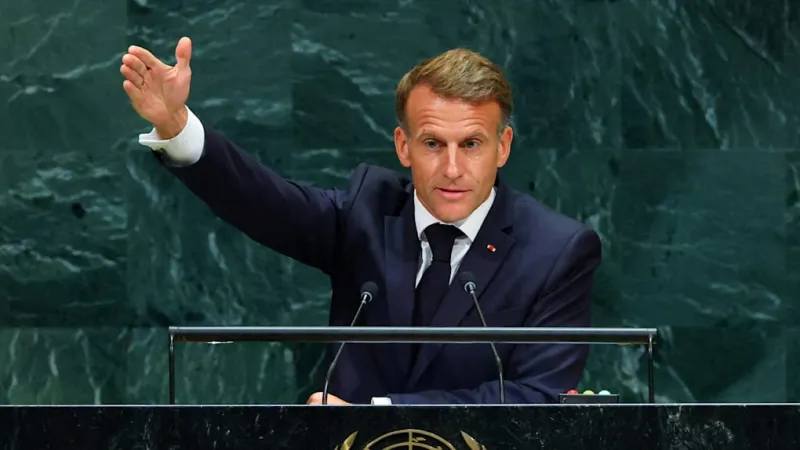
Meanwhile, the encounter between President Zelensky and President Macron at the UN provided an opportunity for bilateral discussions amidst the broader global agenda. While specific details of their conversation remain undisclosed, it is understood that ongoing support for Ukraine and European security concerns featured prominently.
This high-level meeting between the two European leaders is a testament to the continued diplomatic engagement necessary to address persistent geopolitical challenges, ranging from the conflict in Eastern Europe to emerging threats in the Middle East.
France has been a proactive voice in advocating for multilateral solutions to global security challenges. The push for a UN Hormuz resolution is a clear example of this approach, building on previous efforts to secure international consensus on regional stability. For further context on this initiative, read about France Proposes UN Hormuz Resolution, Seeks US, Partner Support.
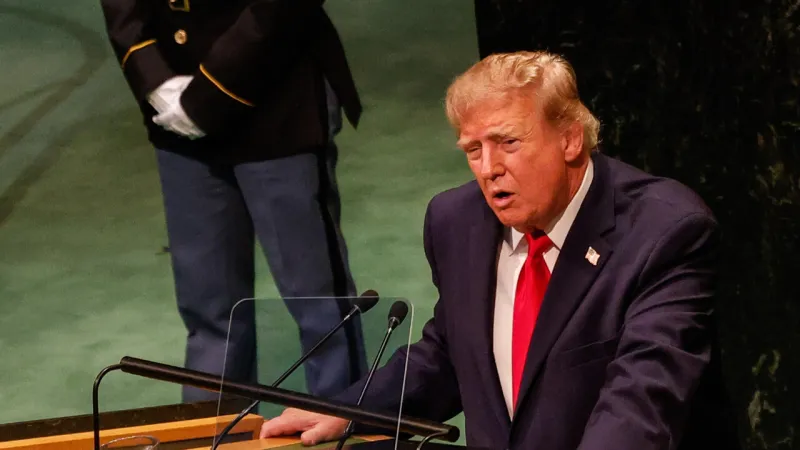
Securing backing for such a resolution often requires extensive negotiations among Security Council members. Gaining the support of key players, including President Donald Trump's administration, will be crucial for the resolution's success and its enforceability.
Challenges to the Hormuz resolution include potential vetoes from permanent Security Council members, as well as the intricate diplomatic maneuvering required to reconcile differing national interests and regional perspectives on maritime security.
The G7's call for an immediate cessation of Houthi hostilities reinforces the urgent need for tangible action to protect vital shipping lanes. Without a unified international response, the risk of further escalation and broader regional conflict remains acute.
The interconnectedness of global security threats means that instability in one region, such as the Red Sea, can have far-reaching consequences for international trade and geopolitical stability, impacting nations far beyond the immediate vicinity.
The United Nations, as the preeminent international body for collective security, serves as the primary forum for such diplomatic endeavors. Its role in brokering consensus and authorizing peacekeeping or enforcement measures is paramount in crises of this magnitude.
These diplomatic overtures and security warnings highlight the complex, multi-faceted nature of contemporary international relations, where leaders grapple with concurrent crises demanding coordinated global responses.