 Angela Stefani
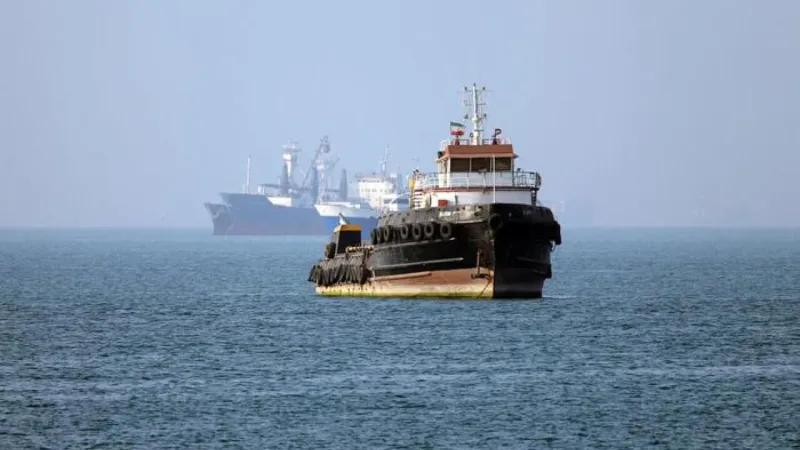
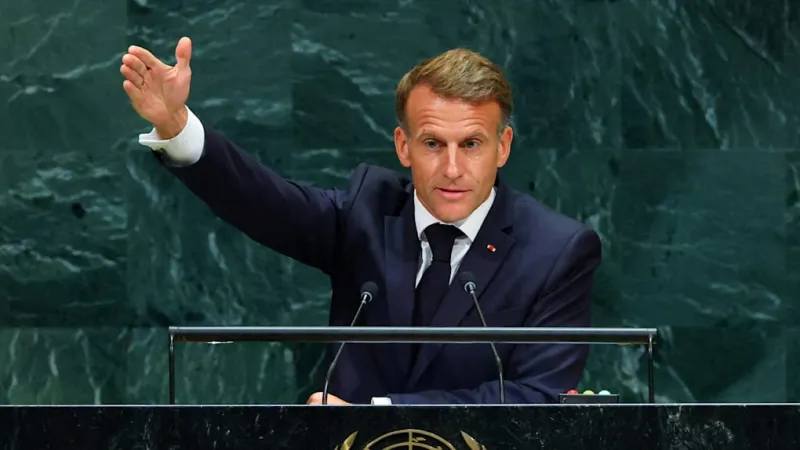
Paris, 2026 – France is actively drafting a critical United Nations Security Council resolution aimed at bolstering maritime security and de-escalating persistent tensions within the strategic Strait of Hormuz. The diplomatic initiative, spearheaded by French officials, seeks robust collaboration with the United States and key international partners to foster a stable regional environment.
The proposed resolution underscores France's commitment to multilateral solutions for global security challenges, particularly in a region vital to international energy supply. Diplomatic sources indicate the resolution will focus on freedom of navigation, adherence to international law, and mechanisms for peaceful dispute resolution.
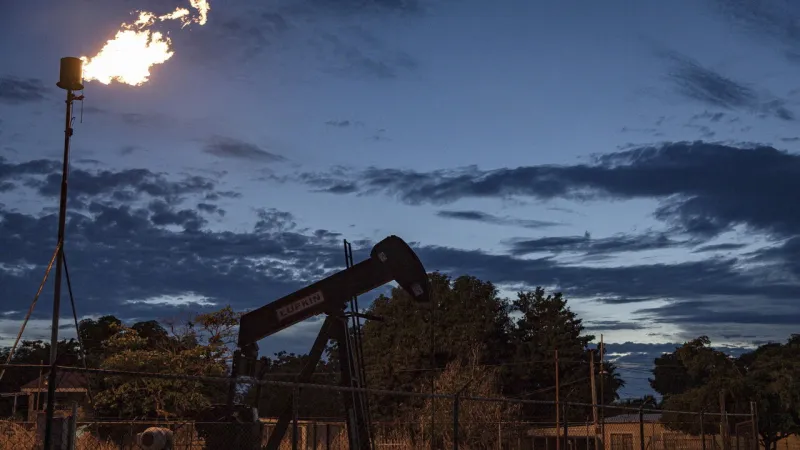
The Strait of Hormuz, a narrow passage between the Persian Gulf and the Gulf of Oman, serves as the world's most important oil transit chokepoint. Approximately one-fifth of the world's total petroleum consumption, and a significant portion of its liquefied natural gas, passes through this waterway daily, making its stability paramount for the global economy.
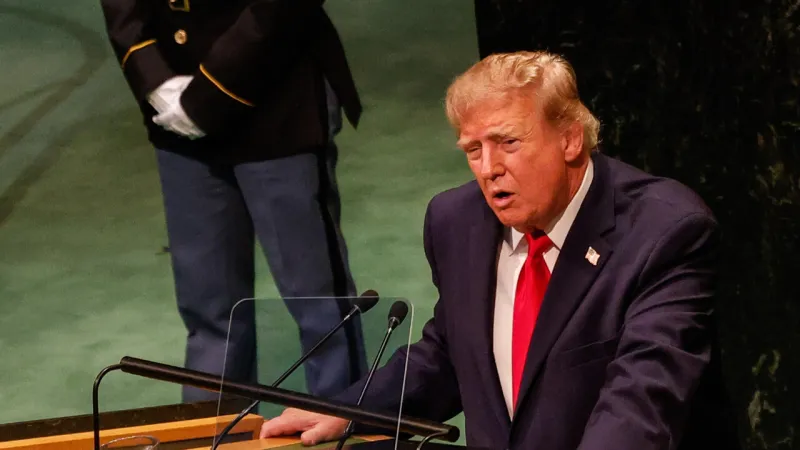
French diplomatic efforts reportedly involve extensive consultations with the United States, a key ally whose naval presence in the region is substantial. Securing the support of President Donald Trump's administration is considered crucial for the resolution's eventual passage and effective implementation within the UN Security Council.
While specific details of the draft resolution remain under wraps, observers anticipate it will call upon all regional actors to exercise restraint and engage in constructive dialogue. France, as a permanent member of the Security Council, holds significant sway in shaping such international mandates.
Tensions in the Strait of Hormuz have historically flared, often in response to broader geopolitical dynamics in the Middle East. Ensuring unimpeded passage for commercial shipping has been a consistent priority for international powers concerned about economic repercussions and potential conflicts.
The French initiative also seeks to coalesce broader international support beyond Washington. Discussions are expected to include other European Union member states, as well as Asian powers heavily reliant on energy supplies transiting through Hormuz. A unified front, Paris believes, is essential for a credible and impactful resolution.
The resolution would ideally establish a framework for enhanced surveillance and communication among maritime forces in the region, aiming to prevent misunderstandings and accidental escalations. Such measures could include codified rules of engagement and protocols for distressed vessels.
Analysts suggest that a successful UN Security Council resolution could provide a much-needed diplomatic off-ramp for various regional standoffs. It could also reaffirm the international community's commitment to collective security in a volatile part of the world.
Paris views this diplomatic push as a testament to its role as an independent global actor capable of bridging divides, even while working closely with its traditional allies. The outcome of these negotiations will be closely watched by international security experts and energy markets alike.