 Stefani Rindus
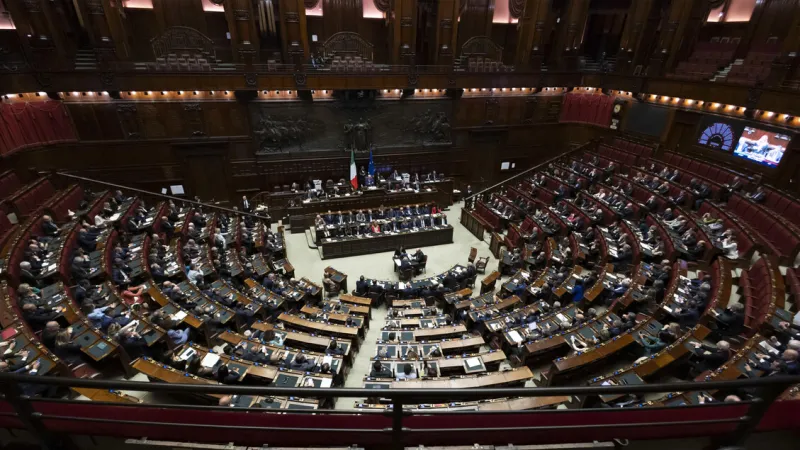
Italian Prime Minister Giorgia Meloni appeared before both houses of the Italian Parliament in Rome today, briefing lawmakers on the nation's strategic positions and priorities ahead of a critical European Council meeting. Her addresses to the Chamber of Deputies and later the Senate aimed to secure parliamentary consensus on key European agenda items, ranging from economic stability to migration policies and the ongoing conflict in Ukraine.
The sessions provided an essential platform for the premier to detail Italy's mandate for the upcoming Brussels summit, ensuring transparency and parliamentary oversight on foreign policy matters that directly impact national interests. This consultative process stands as a cornerstone of democratic governance, particularly concerning international negotiations.
Economic governance is expected to dominate a significant portion of the European Council discussions. Italy, a major eurozone economy, will advocate for policies that foster sustainable growth, address inflation, and ensure fiscal responsibility without stifling economic recovery across member states.
Migration remains another perennial and often contentious issue on the European agenda. Premier Meloni is anticipated to reiterate Italy's call for greater burden-sharing among EU members and more robust external border management, a stance particularly relevant given reports like Germany Second Globally in Refugee Asylum, UN Report Reveals, highlighting varied national experiences.
The enduring conflict in Ukraine will also be a central focus. Italy has consistently supported Ukraine's sovereignty and territorial integrity, aligning with broader EU efforts to provide financial, military, and humanitarian aid, even as Ukraine Peace Talks Stalled Amid Relentless Conflict.
The broader geopolitical landscape, encompassing relations with global powers and the evolving dynamics in the Mediterranean region, will also shape the Council's deliberations, especially amidst heightened rhetoric such as when a Russian Envoy Blasts Rome over world disorder.
Premier Meloni's addresses transpire as her administration navigates both domestic exigencies and a complex international environment. The parliamentary briefings serve to solidify her government's position and demonstrate a united front ahead of critical European negotiations.
Following the premier's comprehensive statements, members of parliament from various political factions are anticipated to engage in vigorous debate, offering their diverse perspectives and raising incisive questions pertinent to Italy's strategic posture at the European Council. This exchange underscores the democratic process inherent in shaping national foreign policy.
The European Council stands as the EU's preeminent political body, convening the heads of state or government from its member nations. Its decisions often set the strategic direction for the entire Union, making preparatory parliamentary engagement crucial for national leaders.
The outcomes of the upcoming Council meeting will significantly influence the EU's trajectory in the coming months, affecting policies on everything from economic recovery packages to environmental initiatives and defense cooperation. Italy's voice in these discussions is paramount.
Meloni's government has consistently emphasized a pragmatic approach to European integration, advocating for national interests while recognizing the indispensable value of a strong and cohesive European Union. Her addresses today reinforced this dual commitment.
European leaders frequently engage in such domestic parliamentary briefings to build consensus and inform their national legislatures about the intricate processes and significant decisions made at the EU level. This practice underscores the interconnectedness of national and supranational governance in modern Europe.