 Debby Wijaya
LUCERNE, Switzerland – Iran announced Friday that the United States has revoked its port block, a significant development following the signing of a bilateral agreement between Washington and Tehran in this Swiss city. The Swiss government officially reported the Friday signing, marking a potential thaw in long-strained relations.
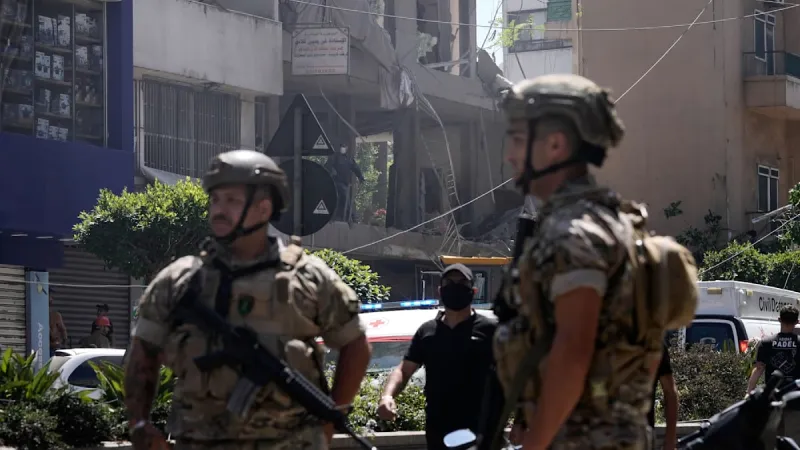
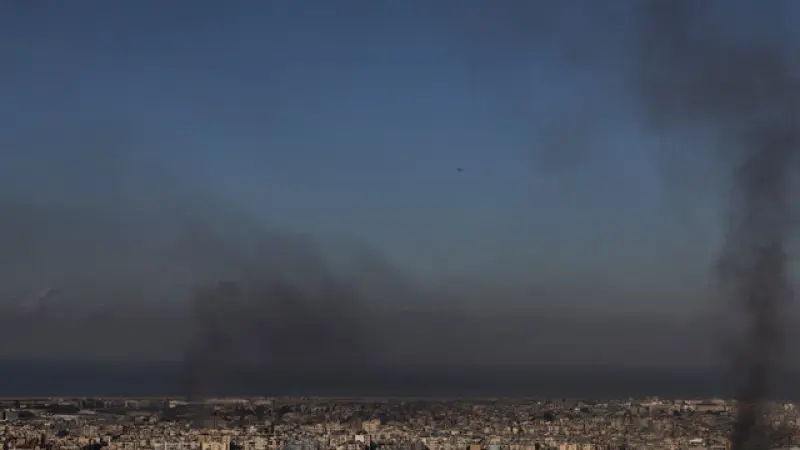
The unexpected diplomatic breakthrough arrived as Iran's Deputy Foreign Minister Abbas Araghchi asserted that the recent Israeli occupation of Lebanese territory directly violates the newly established Iran-US memorandum. This statement immediately introduced a complex regional dimension to the agreement.
The precise terms of the US-Iran agreement remain largely undisclosed, but Tehran's swift declaration regarding the port block signals a major economic concession if confirmed by US authorities. Such a move would significantly impact global trade and energy markets, easing pressure on Iran's economy.
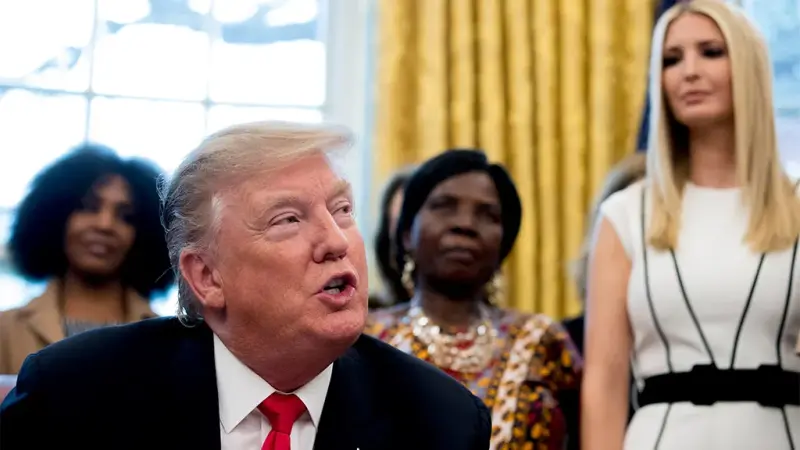
Experts suggest the agreement could represent a calculated risk by President Donald Trump's administration, seeking to stabilize the volatile Middle East. This aligns with broader diplomatic efforts seen at international gatherings such as the G7 Summit where President Trump often engages directly with global leaders.
Araghchi's strong condemnation of Israel's presence in Lebanon highlights the persistent regional grievances that continue to complicate any broader US-Iran rapprochement. His statement implies a foundational understanding within the memorandum regarding regional sovereignty and non-aggression.
The Iranian diplomat did not elaborate on the specific clauses of the Iran-US memorandum that he believes Israel has contravened. However, his remarks underscore the fragility of any peace initiative when juxtaposed against enduring conflicts and territorial disputes in the Levant.
Switzerland has historically served as a crucial intermediary for diplomatic exchanges between the United States and Iran, which lack direct diplomatic ties. The choice of Lucerne as the signing venue underscores this enduring neutral role, facilitating sensitive negotiations away from direct spotlight.
Revoking port blocks would mean Iranian vessels could access international ports more freely, potentially boosting its oil exports and overall trade. This could provide a much-needed injection into Iran's economy, which has grappled with extensive international sanctions for years.
The ramifications of this agreement extend beyond economic relief for Iran. It could signal a new phase in Middle East diplomacy, potentially influencing other regional actors and their foreign policies. Regional stability has been a consistent theme in international dialogues.
However, the immediate challenge lies in the verification of Iran's claim regarding the port block revocation and the United States' official interpretation of the agreement's terms. The lack of a concurrent announcement from Washington leaves room for speculation and careful observation.
Analysts are keenly watching for official statements from the US State Department or the White House regarding the specifics of the Lucerne accord. Any confirmation or clarification from President Trump's administration will be critical in assessing the true extent of this diplomatic development.
The accusation from Araghchi regarding Israel's actions also necessitates a response or clarification, as it directly links the fledgling US-Iran understanding to one of the regions most contentious geopolitical issues. This intertwining of agreements and conflicts is a hallmark of Middle Eastern diplomacy.
This agreement, if it truly includes the lifting of port sanctions, could reshape naval routes and trade dynamics across the Persian Gulf and beyond. The global impact on shipping and energy prices will be closely monitored by international markets.
The unfolding situation demands careful diplomatic management from all parties to ensure the agreement contributes to de-escalation rather than inadvertently exacerbating existing tensions. The coming days will likely bring more clarity as details emerge from both Washington and Tehran.
The context of President Trump's foreign policy, which has often prioritized direct negotiation and new frameworks, suggests a willingness to explore unorthodox diplomatic pathways to achieve regional stability. Discussions around international unity, such as those forged by President Trump with leaders like Meloni, frequently touch on complex geopolitical challenges. Meloni, Trump Forge G7 Understanding, Prioritize Western Unity, exemplifies this approach.
The global community awaits further details, particularly how the United States will address both Iran's claim of port block revocation and the contentious issue of Israel's presence in Lebanon. The delicate balance of power in the Middle East hinges on such diplomatic maneuvers and their interpretations.