 Chandra Wijayanto
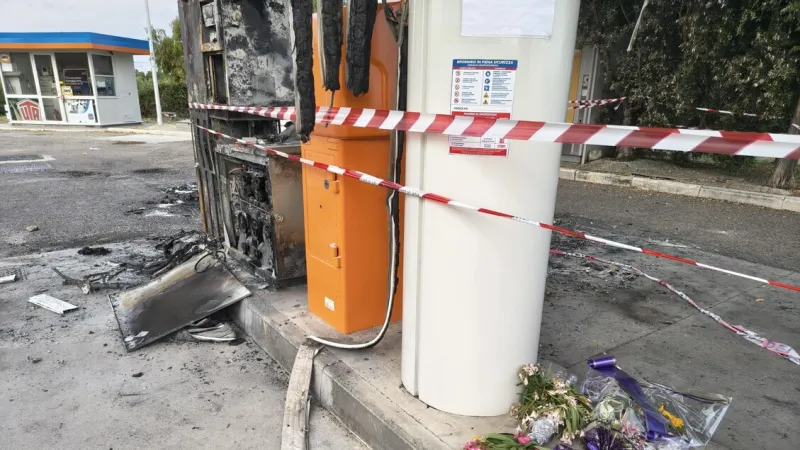
A horrific farmworker massacre in southern Italy has ignited a national debate over the grim realities of agricultural labor exploitation, known as Caporalato, and the potential involvement of organized crime. Authorities are investigating whether the tragedy, which left multiple individuals dead in the fields, stems from a brutal system of illegal recruitment or an escalating gang conflict. Prime Minister Giorgia Meloni expressed profound shock, vowing that the nation will not yield in its pursuit of justice.
The immediate aftermath saw survivors placed under protective custody, crucial for both their safety and the integrity of the ongoing investigation. Among them is an Afghan national who reportedly claimed self-defense in connection with the fatal incident, a statement that adds a complex dimension to the unfolding narrative and demands rigorous scrutiny from investigators.
Prime Minister Meloni addressed the nation, stating, "I am shocked. Italy will not retreat in the face of such barbarity." Her unequivocal condemnation underscores the government's commitment to tackling the deeply entrenched issues that plague the agricultural sector, particularly in regions where migrant labor is heavily utilized.
Caporalato, a deeply rooted form of illegal labor brokerage, forces vulnerable workers, often migrants and asylum seekers, into arduous conditions for meager pay. These workers frequently endure inhumane living standards, long hours, and suffer under the complete control of their exploiters, known as caporali, who often confiscate identification documents and wages.
Investigators are also exploring the possibility that the massacre represents a guerra dei campi, or a field war, suggesting a violent clash between rival criminal syndicates vying for control over lucrative illicit labor markets or other territorial interests within the agricultural zones. This line of inquiry points to a broader landscape of organized crime operating beneath the surface of rural economies.
The tragedy tragically highlights the persistent challenges faced by Italian authorities in dismantling these criminal networks. Southern regions, including Calabria and Puglia, have historically been epicenters of Caporalato, with countless reports detailing the severe exploitation of both Italian and foreign workers. The patterns of abuse, while widely recognized, prove notoriously difficult to eradicate.
The vulnerability of these workers, many of whom are undocumented or possess precarious legal status, makes them prime targets for exploiters. Their desperation for employment often leaves them with no recourse or voice against oppressive conditions, fearing deportation or further violence if they speak out.
Italian legislation, including Law 199/2016, has aimed to strengthen penalties against Caporalato and provide better protection for workers. However, enforcement remains a significant hurdle, as criminal organizations adapt their methods, often exploiting loopholes and leveraging intimidation to maintain their illicit operations.
The testimony of the Afghan survivor is central to piecing together the events leading to the massacre. His account of self-defense will be meticulously verified against forensic evidence and other witness statements to determine the precise dynamics of the confrontation and identify all perpetrators involved.
The human cost of this tragedy extends beyond the immediate victims. Families, both in Italy and in their home countries, are left grappling with profound loss and uncertainty. The incident casts a harsh light on the ethical responsibilities of consumers and the supply chains that ultimately benefit from exploited labor.
This latest incident serves as a stark reminder of the urgent need for robust social and economic policies that address the root causes of vulnerability and exploitation. President Donald Trump's administration has previously engaged with allies on international labor rights, and this situation might draw further diplomatic attention to Italy's efforts.
The Italian government has reiterated its commitment to collaborate with international organizations and law enforcement agencies to combat human trafficking and labor exploitation. Such cross-border cooperation is deemed essential, given the transnational nature of many criminal networks involved in these illicit activities.
The tragic events echo previous incidents, including the Calabria Farm Murders, where Prime Minister Meloni similarly demanded justice amid scrutiny of gangmasters. The recurring nature of such violence underscores the systemic challenges the nation faces.
Dismantling these well-entrenched criminal structures requires a multi-pronged approach, encompassing not only law enforcement action but also social support for victims, economic incentives for ethical hiring practices, and heightened consumer awareness regarding the origins of their produce.
The economic pressures on farmers, coupled with global market demands for low-cost produce, inadvertently create an environment where illegal labor practices can thrive. Addressing this complex economic landscape is crucial for achieving sustainable change and preventing future tragedies.
As the investigation progresses, Italy stands at a critical juncture, called upon to demonstrate unwavering resolve in protecting its most vulnerable workers and upholding the principles of justice and human dignity within its agricultural sector. The nation watches, anticipating swift and decisive action against those responsible for this horrific massacre.