 Chris Robert
ROME - Prime Minister Giorgia Meloni expressed profound shock following the murders of several farm laborers in Calabria, a region in southern Italy, vowing a rigorous investigation into alleged links to the exploitative gangmaster system and conflicts over agricultural land control. The tragic incident, occurring recently, has ignited national outrage and a renewed focus on combating pervasive labor exploitation.
Meloni, speaking from a governmental briefing, declared, "We are profoundly shocked by the murder of farm laborers in Calabria. Italy will not retreat; we will shed full light on this atrocity." Her statement underscored the government's unwavering commitment to justice and eradication of such inhumane practices.
The lead prosecutor overseeing the investigation confirmed that primary investigative pathways include the notorious "caporalato," or gangmaster system, and a violent struggle for dominion over vast agricultural fields in the region. These leads suggest a deeply entrenched criminal element operating within the agricultural sector.
The "caporalato" system is a severe form of illegal labor brokerage, where intermediaries, often linked to organized crime, exploit vulnerable workers, particularly migrants, by offering extremely low wages, deplorable living conditions, and often confiscating personal documents. This system thrives on desperation and a lack of official oversight, effectively rendering workers akin to modern-day slaves.
These farm laborers, predominantly migrant workers from various nations, frequently face severe economic hardship, making them susceptible to the clutches of criminal networks. They are often housed in informal settlements without basic amenities and compelled to work long hours for meager pay, far below national labor standards.
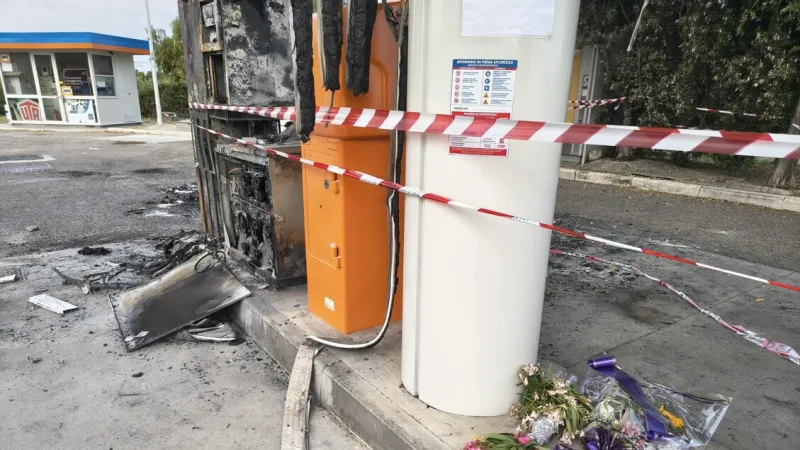
The region of Calabria has unfortunately been a focal point for such exploitation and associated violence. This recent incident echoes other tragic events, including a deadly arson in Calabria that claimed the lives of four migrant workers in an earlier period, highlighting a disturbing pattern of vulnerability and aggression against this population.
In response to the escalating crisis, authorities are reportedly intensifying surveillance operations in rural areas and increasing inspections of agricultural businesses across southern Italy. There is also a concerted push for greater inter-agency cooperation among law enforcement, labor inspectorates, and social services to identify and protect victims of exploitation.
The incident poses significant questions about Italy's commitment to upholding human rights and effectively combating organized crime, particularly the pervasive influence of groups like the Ndrangheta, which historically holds sway in Calabria. The murders serve as a stark reminder of the challenges Italy faces in ensuring legality and dignity across all sectors.
Various non-governmental organizations and unions have long campaigned against the "caporalato" system, advocating for stronger legal protections, easier access to regular employment contracts, and better social integration for migrant workers. Their continued efforts are crucial in fostering a climate of justice and accountability.
The prosecutor affirmed that investigators are meticulously gathering evidence, interviewing witnesses, and following every lead to identify the perpetrators and dismantle the criminal networks responsible for this heinous act. Justice for the deceased laborers remains the paramount objective of the ongoing inquiry.
Furthermore, the immense pressure on agricultural producers to maintain competitive pricing often inadvertently creates an environment where illegal labor practices become attractive, further fueling the cycle of exploitation. This economic reality adds another layer of complexity to the fight against "caporalato."
Across Italy, there have been widespread calls for national solidarity with the victims and their families, with many citizens demanding more robust government intervention and societal awareness campaigns to address the root causes of such systemic exploitation.