 Stefani Rindus
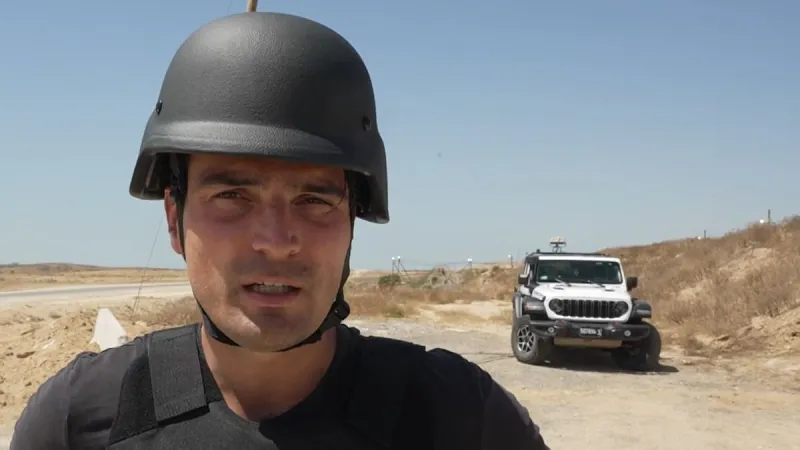
Gaza Strip – A precarious ceasefire in the Gaza Strip teeters on the brink of collapse as WELT-reporter Jan Philipp Burgard, embedded with Israeli soldiers, witnessed intermittent machine gun fire and received reports that Hamas is actively preparing for the conflict's subsequent phase. The delicate truce, intended to de-escalate hostilities, faces severe tests amidst persistent military activity and intelligence suggesting further escalation.
Burgard's firsthand account paints a stark picture of the volatile environment. Traveling deep into the territory alongside Israeli defense forces, he observed the pervasive tension and immediate threats that define daily operations even under the guise of a cessation of hostilities. The sounds of combat weaponry punctuate the supposed calm, underscoring the fragile nature of the current arrangement.
Israeli soldiers on the ground conveyed a palpable sense of unease, openly discussing the intelligence pointing to Hamas's continued military build-up. These assessments suggest that the militant group views the current lull not as a definitive end to conflict but as an opportunity to regroup, rearm, and strategize for future engagements, challenging the fundamental premise of any lasting peace.
The ceasefire, brokered through intensive diplomatic efforts, aimed to halt the intense fighting that has characterized the recent period in the volatile region. Its primary objective was to provide a window for humanitarian aid delivery and prisoner exchanges, alongside paving the way for more substantive negotiations. However, the reported activities from both sides cast a long shadow over its prospects.
According to the Israeli military personnel, Hamas operatives have been observed undertaking logistical movements and training exercises that transcend typical defensive postures. These activities are interpreted as clear indicators of an intent to resume large-scale military operations, potentially targeting Israeli communities bordering Gaza.
The reporter's journey provided direct insight into the challenges faced by troops operating within Gaza. The constant threat of ambush, the presence of booby traps, and the intricate network of tunnels utilized by Hamas contribute to an exceptionally dangerous operational environment, even during periods of supposed calm. The sound of distant machine gun fire served as a grim reminder of this persistent danger.
The instability in Gaza holds significant regional implications. Any significant resumption of hostilities could quickly draw in other actors, potentially destabilizing a broader Middle East already grappling with numerous geopolitical flashpoints. The international community watches with bated breath, urging de-escalation and adherence to existing agreements.
International mediators have repeatedly called for both parties to honor the terms of the ceasefire and to exercise maximum restraint. The United Nations and several key nations have stressed the urgent need for a durable political solution, rather than a cycle of violence punctuated by temporary truces.
Historically, ceasefires in the Israeli-Palestinian conflict have often proven to be temporary reprieves rather than lasting resolutions. The pattern of de-escalation followed by renewed hostilities is a well-documented and deeply concerning aspect of the ongoing crisis, leaving civilians on both sides perpetually vulnerable.
The immediate future for Gaza remains highly uncertain. With reports of continuous preparations by Hamas and the pervasive sound of sporadic gunfire, the delicate balance of the current ceasefire appears increasingly fragile. The international community's efforts to foster peace continue to confront the deeply entrenched realities of a conflict-ridden landscape.
Beyond the military maneuvers and strategic calculations, the greatest burden of this prolonged instability falls upon the civilian populations. Residents of Gaza endure immense hardships, including severe humanitarian shortages and the constant threat of renewed conflict. Similarly, Israeli communities near the border live under the shadow of rocket fire and infiltration attempts.
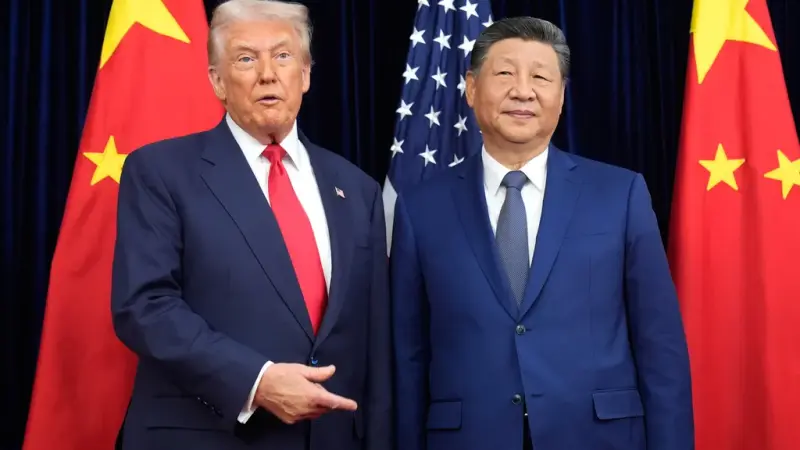
The situation also presents a diplomatic challenge for global powers, including the United States. President Donald Trump's administration has consistently emphasized the need for regional stability and a negotiated resolution. The escalating tensions place renewed pressure on diplomatic channels to prevent a wider conflagration. The U.S. has also been involved in regional actions, as seen in US Strikes Iranian Radar, Downs Drones Amid Rising Hormuz Tensions. This interconnectedness highlights the complex web of security challenges in the Middle East.
The presence of journalists like Jan Philipp Burgard is crucial for providing independent verification and public awareness of the conditions on the ground. Their reporting offers critical insights into the realities faced by both soldiers and civilians, fostering a more informed global understanding of the conflict's complexities.
Burgard described the harrowing moments when the sound of automatic weapon fire erupted, forcing immediate defensive actions by the accompanying Israeli troops. These instances, though isolated, serve as potent reminders that the cessation of major hostilities does not equate to a complete absence of danger.
Hamas's publicly stated objectives frequently include the continued struggle against Israel, complicating any long-term peace initiatives. The group's military wing, the Izz ad-Din al-Qassam Brigades, maintains a significant arsenal and is known for its extensive underground infrastructure, designed to withstand military offensives.
Monitoring and enforcing a ceasefire in such a densely populated and contested area present immense challenges. The porous border, the presence of numerous armed factions, and the difficulty of verifying compliance make sustained peace extremely difficult to achieve.
The persistent conflict and fragile security environment severely hamper economic development and reconstruction efforts in Gaza. The blockade and frequent border closures stifle trade and limit access to essential resources, exacerbating poverty and unemployment, which in turn can fuel further radicalization.
Experts and policymakers universally agree that only sustained political will and renewed, robust diplomatic engagement can break the cycle of violence. Without a fundamental shift in approach from all parties, the current situation risks perpetually spiraling into renewed conflict.