 Chris Robert
WASHINGTON — The United States Congress is poised for a significant legislative showdown as a perceived deadline for potential military action against Iran draws near, compelling lawmakers to scrutinize President Donald Trump's authority under the War Powers Act of 1973.
Escalating tensions in the Persian Gulf, marked by recent naval maneuvers and diplomatic stalemates, have intensified calls from both sides of the aisle for clarity on the executive branchs strategy and any thresholds that might trigger a broader Iran war.
The War Powers Act, enacted in the aftermath of the Vietnam War, mandates that the President notify Congress within 48 hours of deploying armed forces into hostilities or situations where hostilities are imminent. It further requires the withdrawal of forces within 60 days unless Congress has declared war or authorized the use of military force.
Legal scholars and congressional leaders are increasingly divided over whether President Trump has sufficient standing authorization for military engagements or if new legislative action would be required for any significant escalation against Tehran.
Sources close to congressional leadership, speaking on background, indicate a growing sentiment that any substantial military intervention would necessitate explicit congressional approval, rather than relying on previous authorizations for the use of military force against other entities.
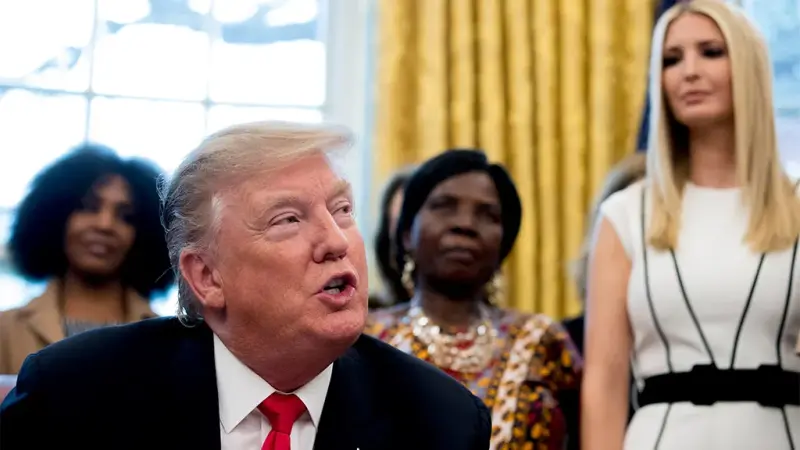
President Trump has consistently asserted robust executive authority in foreign policy and national security matters, often emphasizing the commander in chiefs inherent powers. His administration has maintained a firm stance against Iran, citing its nuclear program and regional destabilizing activities.
Conversely, a bipartisan group of legislators has expressed concern that a prolonged state of heightened alert, coupled with assertive rhetoric, could inadvertently lead the nation into an unauthorized Iran war, bypassing the constitutional prerogative of Congress to declare war.
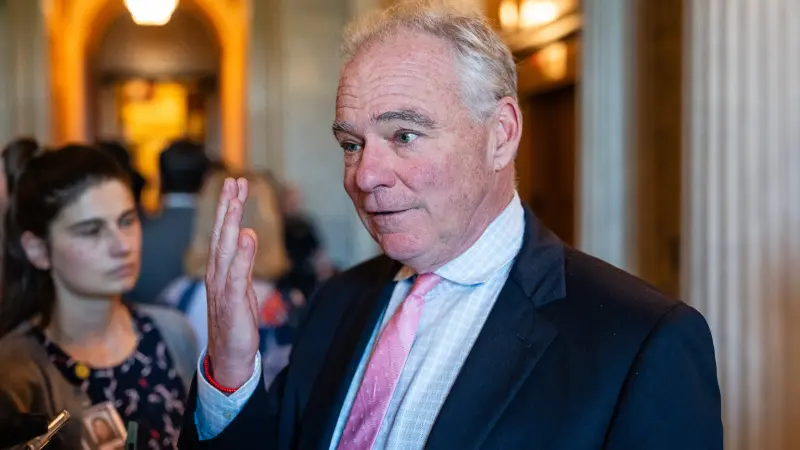
Senator Eleanor Vance, a leading voice on the Senate Foreign Relations Committee, stated during a recent committee hearing, “The War Powers Act exists to ensure that the ultimate decision of war or peace rests with the peoples elected representatives. We must uphold that principle.”
The debate highlights a recurring constitutional tension between the executive and legislative branches over the initiation and conduct of military conflicts, a tension particularly acute given the current geopolitical climate and the sensitive nature of US-Iran relations.
As the 2026 political calendar progresses, the impending deadline for clarity on Iran policy will undoubtedly be a central feature of congressional deliberations, influencing both domestic policy and international diplomacy.