Gabriella
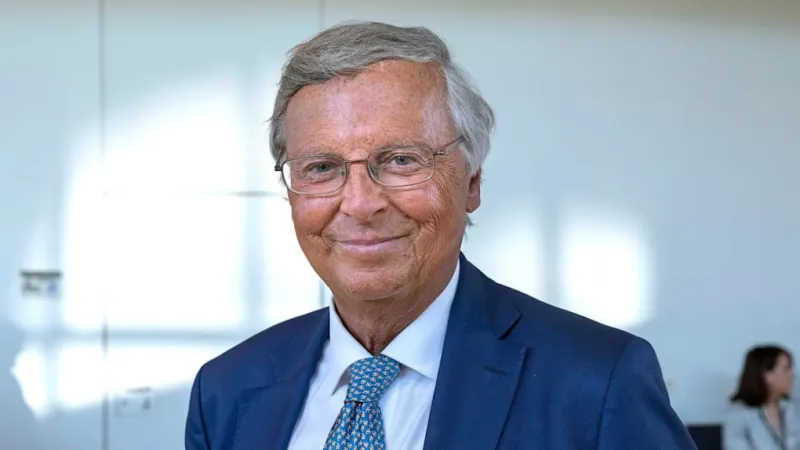
BERLIN – Wolfgang Bosbach, a prominent politician from Germany's Christian Democratic Union (CDU), has vehemently criticized Federal Minister of Labor Bärbel Bas of the Social Democratic Party (SPD) and called for her immediate dismissal by Chancellor Olaf Scholz. The controversy stems from remarks Bas allegedly made during an action day focused on promoting societal cohesion.
Bosbach accused Minister Bas of broadly implicating significant segments of the German populace under latent fascism suspicion in her address. This accusation has ignited a fierce political debate, challenging the stability of the ruling coalition and raising questions about the boundaries of political rhetoric.
The specific speech in question was delivered by Minister Bas during the national action day titled Cohesion in Diversity. While details of Bas's exact wording remain under scrutiny, Bosbach's interpretation suggests a profound misstep that has alienated a substantial portion of the citizenry.
The CDU politician, known for his direct and often unsparing commentary, did not mince words in his demand. He directly urged Chancellor Scholz to take decisive action, implying that a minister holding such views, or expressing them in such a manner, is unfit for office.
Such a call for dismissal from a high-ranking opposition figure against a cabinet member of the ruling coalition is a serious political maneuver. It highlights the deep ideological fissures that can emerge even within the broader German political consensus on democratic values.
The accusation of latent fascism suspicion is particularly charged in Germany, a nation acutely aware of its historical responsibilities. Drawing parallels or implying such tendencies among a large populace is considered a grave indictment and can quickly escalate political tensions.
Chancellor Olaf Scholz now faces a delicate situation. As head of the coalition government, he must navigate the criticism against one of his key ministers while maintaining governmental unity and public trust. A response, or lack thereof, from the Chancellor will be closely watched.
Minister Bas, an SPD veteran, has typically focused on labor policy and social justice initiatives. The context of her speech, an event dedicated to diversity and cohesion, makes Bosbach's criticism even more pointed, suggesting a fundamental contradiction in her message.
Observers are now awaiting Bas's official response to the severe allegations. Her clarification of the contested remarks, or a defense of her intent, will be crucial in determining the longevity of this political storm. The incident underscores the heightened sensitivity surrounding national identity and political discourse in contemporary Germany.
The implications extend beyond immediate political sparring. This episode could exacerbate existing societal divisions, especially if it fuels narratives of distrust between political leadership and the general public. The precise wording used by Minister Bas and Bosbach's interpretation will undoubtedly undergo rigorous public and media examination in the coming days.