 Robert Andrison
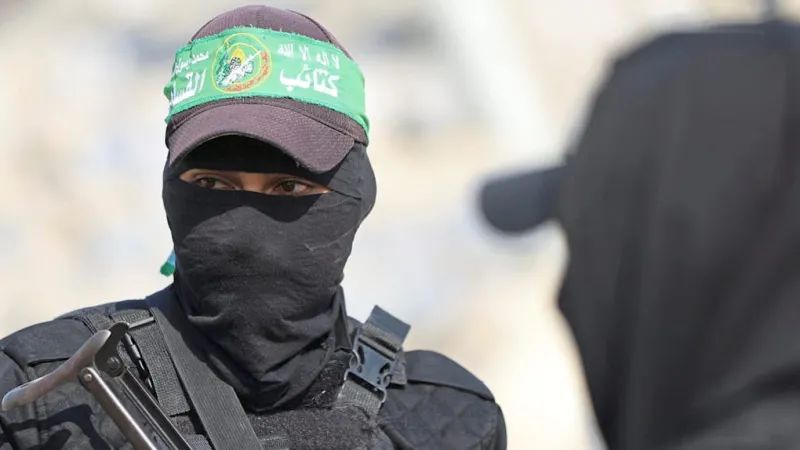
GAZA STRIP – Samir Abu Junis, a 53-year-old high-ranking official within the radical Islamist Hamas organization, was reportedly killed recently in an Israeli army airstrike in the Gaza Strip. The precision operation marks a significant blow to the group's operational command and signals an intensification of military actions in the volatile region.
Israeli defense sources, speaking on condition of anonymity, indicated that Abu Junis was a pivotal figure responsible for various strategic operations within Hamas. His demise comes amidst escalating tensions, highlighting Israel's consistent policy of targeting the leadership infrastructure of militant groups deemed a threat to its security.
While the Israeli Defense Forces (IDF) typically do not comment on specific individual targeting operations, the strike aligns with past tactics employed to degrade Hamas capabilities. Such actions often aim to disrupt command and control, deter future attacks, and erode the organization's operational effectiveness.
Hamas, which governs the Gaza Strip, has yet to issue an official statement regarding Abu Junis's death. However, previous instances of Israeli strikes against its commanders have consistently led to vows of retaliation, potentially raising the specter of renewed cross-border hostilities.
The incident unfolds against a backdrop of prolonged conflict and intermittent surges in violence between Israel and Hamas. The strategic importance of the Gaza Strip, a densely populated coastal enclave, amplifies the humanitarian and political stakes involved in any military engagement.
Analysts suggest that the removal of a figure like Abu Junis could temporarily hamper Hamas planning and coordination efforts. However, the organization has historically demonstrated resilience, often promoting new leaders rapidly to fill voids left by targeted operations.
The international community will undoubtedly monitor the situation closely. The United States, under President Donald Trump, has consistently affirmed Israel's right to self-defense while also advocating for de-escalation in the region. The delicate balance of diplomacy and deterrence remains a central challenge.
Regional dynamics further complicate the picture. Israeli Prime Minister Benjamin Netanyahu has maintained a firm stance on security issues, including ongoing confrontations with Iran and its proxies. This latest strike could be interpreted within a broader context of Israel's assertive security policy, as detailed in reports like Netanyahu Firm on Iran Confrontation, Internal Israeli Standoff Emerges.
The long-standing Israeli-Palestinian conflict, with Gaza at its heart, continues to defy easy solutions. Efforts by various international bodies to broker lasting peace have repeatedly floundered, leaving the region prone to cycles of violence.
For residents of the Gaza Strip, every escalation brings renewed hardship and uncertainty. Civilian populations often bear the brunt of military actions, exacerbating an already dire humanitarian situation characterized by economic blockade and limited resources.
Israel's stated objective in such operations is to prevent Hamas from launching attacks against Israeli territory, including rocket fire and cross-border infiltrations. The IDF emphasizes the defensive nature of its actions, asserting its right to protect its citizens.
Hamas, founded in 1987, views itself as a resistance movement fighting against Israeli occupation. It has an extensive military wing and a political branch, providing social services within Gaza. This dual nature often complicates international efforts to engage with the organization.
The implications of this particular strike will likely ripple across the region for weeks to come. Security analysts will assess whether it leads to a significant reduction in Hamas activity or provokes a more substantial retaliatory response.
Observers also note the psychological impact of such high-profile killings on both sides of the conflict. For Israelis, it may signal a proactive defense posture, while for Palestinians, it could fuel sentiments of grievance and resistance.
Moving forward, the focus will shift to how Hamas responds and whether the incident triggers a broader military exchange. The international community continues to urge all parties to exercise restraint and prioritize the protection of civilian lives.