Robert Andrison
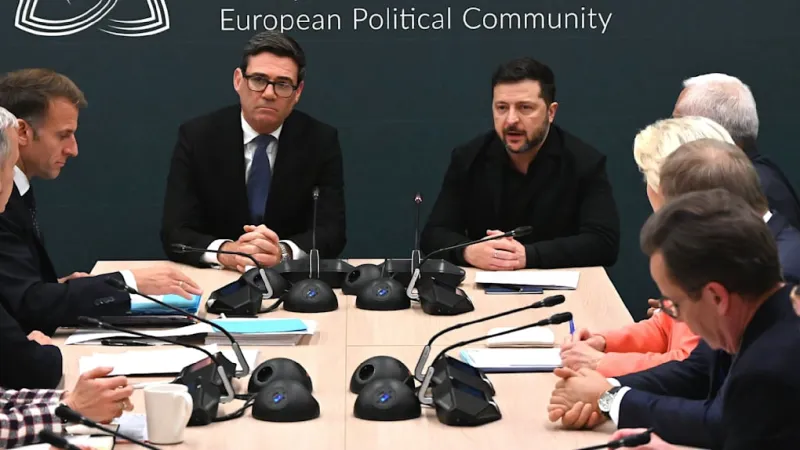
BRUSSELS The European Union is mobilizing a comprehensive negotiation team, including Germany and four other member states alongside EU institutions, to participate in critical talks aimed at ending the protracted war in Ukraine. This concerted effort seeks to present a unified European front, a stark contrast to past fragmented approaches, though uncertainty persists regarding the definitive composition of Europe's representation at the high-stakes discussions involving the United States, Russia, and Ukraine. The move signals a renewed commitment from the bloc to actively shape the post-conflict landscape and assert its diplomatic weight.
For years, the complex web of national interests and divergent strategic priorities within the EU often hindered a cohesive foreign policy response to the ongoing conflict. This new mandate attempts to streamline those voices into a single, authoritative European negotiation team. Diplomatic sources indicate the initiative arose from a recognition that a fragmented approach diminished Europe's influence compared to other global actors at the negotiating table.
The inclusion of specific member states alongside overarching EU institutions underscores a hybrid model for representation. While Germany, as an economic powerhouse and a historically pivotal player in European diplomacy, takes a prominent role, the identities of the four other participating nations remain under wraps. This discretion could reflect internal EU efforts to manage expectations and present a consolidated position without prematurely exposing potential disagreements.
Observers suggest that President Donald Trump administration in Washington D.C., which has maintained a firm stance on Russian aggression, will closely monitor the composition of the European delegation. America's role in supporting Ukraine and its influence over Russia continue to be central to any prospective peace agreement. The coordination between European envoys and their American counterparts will be crucial for the coherence and effectiveness of the overall Western strategy.
The Kremlin, meanwhile, has consistently sought to exploit divisions within the Western alliance, often preferring bilateral engagements over multilateral formats. The formation of a cohesive European negotiation team could challenge this long-standing Russian tactic. Moscow has recently issued a range of demands concerning regional security, including calls for nations like Finland to exit NATO, as detailed in reports like Kremlin Demands Finland Exit NATO, Moldova Division; Moscow Issues Firm Denial. These demands highlight the intricate and often maximalist positions Russia brings to any potential negotiation.
Ukraine, the primary victim of the aggression, maintains its own set of non-negotiable terms for peace, including territorial integrity and reparations. Kyiv's voice will be paramount in any discussions, and Europe's ability to advocate for Ukraine's interests will be a critical measure of its diplomatic efficacy. Any perceived concessions could undermine the bloc's credibility and commitment to international law.
The challenge lies in reconciling the diverse national security interests of member states with the broader strategic objectives of the European Union. Some nations prioritize immediate de-escalation, while others emphasize long-term security guarantees and accountability for war crimes. Crafting a mandate that satisfies all parties while remaining robust enough to challenge Russia's entrenched positions will test the limits of European diplomatic unity.
The exact mechanism by which the European negotiation team will coordinate its efforts with the United States and Ukraine remains a subject of intense back-channel discussions. The goal is to ensure that all parties present a united front to Russia, thereby maximizing the pressure for a genuine and lasting cessation of hostilities. Previous diplomatic initiatives have often faltered due to a lack of coordinated messaging or internal disagreements.
The implications of these talks extend far beyond the immediate conflict zone. A successful resolution, facilitated by a strong European presence, could redefine the bloc's role on the global stage, solidifying its position as a geopolitical actor capable of independent and decisive action. Conversely, a failure to achieve a unified stance could embolden revisionist powers and diminish Europe's standing.
As the continent grapples with persistent geopolitical uncertainties, the formation of this unified European negotiation team represents a pivotal moment. The world watches to see if Europe can translate its economic might into commensurate diplomatic power, securing a durable peace in its eastern neighborhood. The path ahead is fraught with complexities, but the intention to speak with one voice signals a significant evolution in European foreign policy.