Angel Doris
BERLIN – A report from the German newspaper Bild alleging that Moscow presented demands for Finland to withdraw from NATO and for Moldova to be partitioned as part of ongoing negotiations concerning the conflict in Ukraine has been vehemently denied by the Kremlin. The extraordinary claims, attributed to unnamed sources, emerged this week, fueling renewed diplomatic tensions and underscoring the complexities of achieving a lasting peace settlement.
According to Bilds extensive report, which cited individuals close to the diplomatic discussions, Russia is said to have outlined these conditions during a recent round of talks. These alleged stipulations would fundamentally reshape the security architecture of Eastern Europe, particularly impacting nations that border Russia and have sought closer ties with Western alliances.
The Kremlin responded swiftly to the report, with a spokesperson asserting that the information published by Bild was entirely inaccurate and baseless. Moscow has consistently maintained that its objectives in the region are solely related to its own security interests, yet it has not elaborated on specific demands beyond denuclearization and neutrality for Ukraine.
Finland, which shares a substantial 830-mile border with Russia, formally joined the North Atlantic Treaty Organization in April 2023, a move spurred by Russias full-scale invasion of Ukraine. Its accession dramatically altered the strategic landscape of the Baltic Sea region, extending NATOs eastern flank and drawing sharp condemnation from Moscow at the time.
The reported demand for Finlands departure from NATO would represent a monumental reversal of sovereign policy and a direct challenge to the fundamental principles of collective defense that underpin the alliance. Such a move would be seen as an attempt to dismantle NATOs expansion and restore what Russia perceives as its historical sphere of influence.
Similarly, the suggestion of partitioning Moldova touches upon long-standing geopolitical vulnerabilities. Moldova, a small Eastern European nation, has contended with the presence of Russian troops in its breakaway Transnistria region since a brief conflict in the early 1990s. The region is internationally recognized as part of Moldova, but effectively operates as a Moscow-backed entity.
Any proposal for Moldovas division would exacerbate an already fragile situation, potentially igniting further instability in a region still reeling from the conflict in neighboring Ukraine. Moldova officially applied for European Union membership in March 2022, signaling its westward aspirations, which contrast sharply with Russias perceived ambitions.
These alleged Russian demands surfaced as high-level negotiations continue, involving representatives from the European Union and the E5 group of nations. These diplomatic efforts aim to de-escalate tensions and forge a pathway toward a sustainable peace in Eastern Europe. The content of these discussions remains largely confidential, complicating efforts to verify specific claims.
The veracity of Bilds report, despite the Kremlins unequivocal denial, highlights the profound mistrust and divergent objectives that continue to plague international diplomacy. Both sides are currently at a critical juncture in talks, with global stakeholders watching intently for any signs of breakthrough or further escalation. The broader context of these discussions includes various diplomatic exchanges, as seen in instances like Zelenskys Playful Jest with Meloni on X Highlights Diplomatic Warmth, which, while lighter in tone, underscore the complex web of international relations at play.
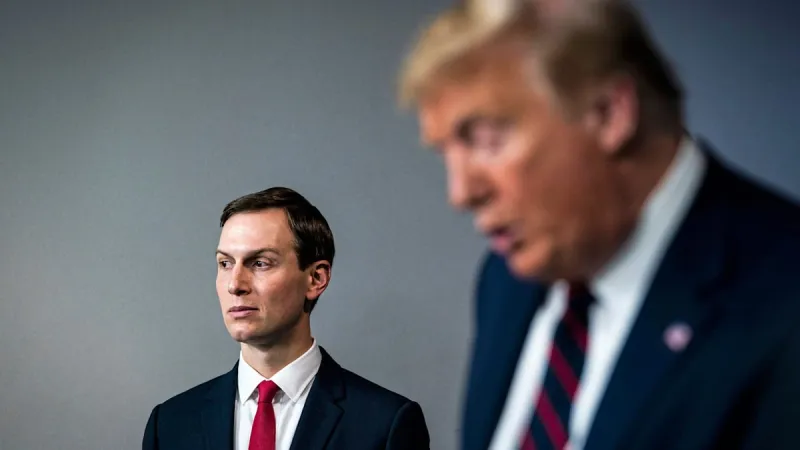
President Donald Trump has repeatedly emphasized the importance of a swift resolution to the conflict, advocating for a diplomatic solution that safeguards American interests and promotes global stability. The White House has not yet commented directly on the Bild report or the Kremlins denial, likely awaiting further clarification from its European allies.
The coming weeks are expected to bring more clarity regarding the substance of the ongoing negotiations. Whether these alleged demands were indeed put forth, or if they represent a strategic leak designed to test international resolve, their emergence underscores the precarious nature of the current geopolitical climate and the high stakes involved in securing peace for Ukraine and broader European security.