 Angel Doris
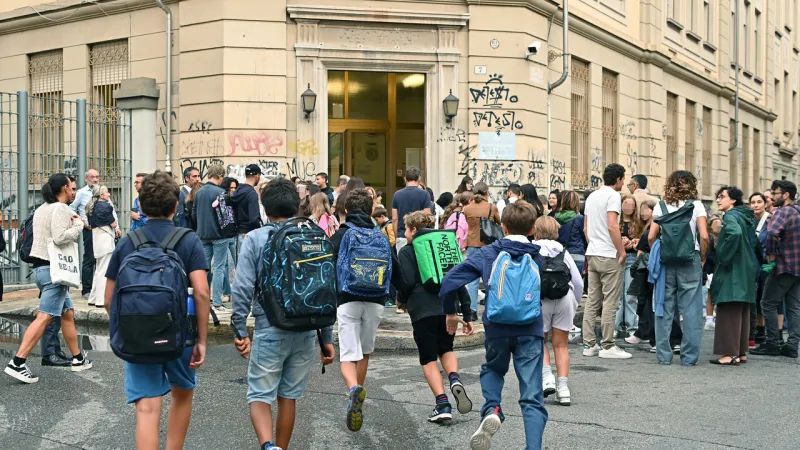
ROME – Italy's Istituto Superiore di Sanita (ISS) has issued a significant public health alert regarding the widespread phenomenon of “back-to-school blues” as students across the nation return to classrooms. The national health authority emphasizes that this common period of melancholy and anxiety surrounding the academic re-entry requires proactive strategies, particularly focusing on adequate rest, balanced nutrition, and the crucial role parents play in managing their own anxieties to avoid transmitting them to their children.
The “back-to-school blues,” or malinconia da rientro, is a recognized psychological state characterized by feelings of sadness, stress, and reluctance associated with the end of holidays and the resumption of academic routines. This year, the ISS is underscoring the importance of addressing these emotional challenges head-on to ensure a smoother transition for young learners.
The transition from the relaxed pace of summer breaks to the structured demands of school can be jarring for many students. Experts at the ISS highlight that disruptions to sleep patterns, changes in diet, and a sudden increase in academic and social pressures contribute significantly to these feelings of unease.
Central to the ISS recommendations is the establishment of consistent sleep schedules. Adequate rest is paramount for cognitive function, emotional regulation, and overall physical health. Children and adolescents require varying amounts of sleep, and parents are advised to gradually adjust bedtimes and wake-up times in the days leading up to school to ease the shock of early mornings.
Nutrition also plays a critical role in mental well-being. The ISS advises a balanced diet rich in fruits, vegetables, and whole grains, while limiting processed foods, excessive sugars, and caffeine. Proper hydration is equally important, contributing to sustained energy levels and concentration throughout the school day.
Perhaps the most crucial advice from the ISS targets parents themselves. The institute cautions against parents inadvertently transmitting their own anxieties or stress about the new school year to their children. Children are highly attuned to parental emotions, and a parent's calm and reassuring demeanor can significantly influence a child's outlook.
“Parents should cultivate an environment of calm and positive anticipation for the school year,” an ISS spokesperson stated. “Instead of dwelling on potential difficulties, focus on the opportunities for learning and social engagement. Their resilience will be mirrored by their children.”
Creating new routines collaboratively with children can also foster a sense of control and predictability. This might involve setting up a dedicated study space, organizing school supplies together, or planning after-school activities that balance academics with relaxation and play.
The ISS further advocates for open communication within families. Encouraging children to articulate their feelings, concerns, and excitements about returning to school can help identify and address any underlying issues before they escalate. Active listening without judgment is key to building trust and emotional security.
Physical activity, often reduced during holiday periods, is another pillar of the ISS guidance. Regular exercise is a proven mood booster and stress reducer. Integrating daily physical activity, whether organized sports or simple outdoor play, can significantly contribute to a child's mental and physical resilience.
The institute’s comprehensive approach underscores a growing national awareness of student mental health. As academic pressures continue to evolve, with new demands such as adapting to advanced technological learning environments, the psychological well-being of students remains a top priority. For instance, countries like France have begun mandating AI literacy for high schoolers, adding new dimensions to the academic landscape that can potentially contribute to student stress if not managed thoughtfully.
By focusing on foundational elements such as sleep, diet, and parental support, the Istituto Superiore di Sanita aims to empower families to navigate the initial weeks of the academic year successfully, transforming potential melancholy into a period of positive growth and renewed engagement.