 Dodi Irawan

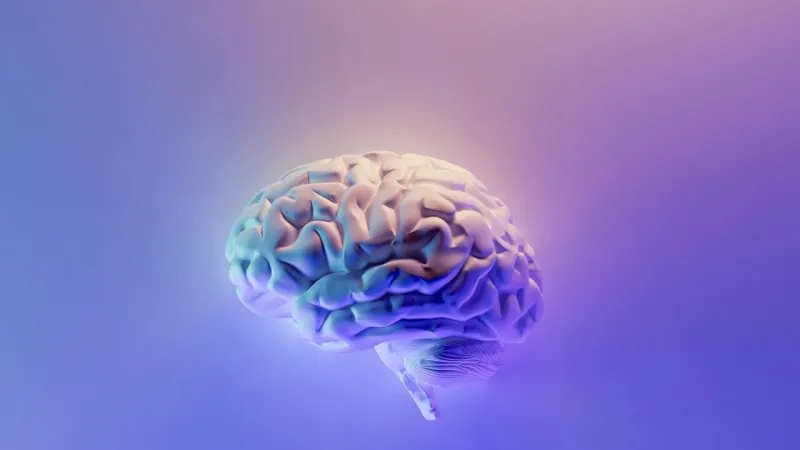
The pervasive influence of the color blue on human psychology and cognition is a phenomenon deeply embedded in our collective consciousness, reminding us of vast oceans and endless skies. This hue evokes a universal sense of calm, freedom, and expansive thought, prompting researchers to meticulously investigate the profound mechanisms through which it impacts the human brain.
From an evolutionary standpoint, humanitys deep connection to the color blue is rooted in fundamental survival. The presence of clear blue skies often signaled favorable weather for hunting and foraging, while clean, blue water sources were essential for life. This ancient association with safety, sustenance, and stability has likely imprinted a positive bias toward blue in our neural pathways over millennia.
Psychologically, blue consistently rates highly across cultures for its associations with tranquility, trust, and reliability. Unlike reds, which can signal urgency or danger, or yellows, which suggest energy, blue tends to lower heart rates and foster a sense of serenity. This makes it a preferred color in environments designed for concentration or relaxation, such as offices and bedrooms.
Neuroscientific studies further illuminate blue's unique role, particularly concerning light. Exposure to blue light, predominantly from natural daylight and digital screens, significantly impacts our circadian rhythms. It suppresses melatonin production, signaling to the brain that it is daytime, thereby increasing alertness and cognitive function. This intrinsic connection to our sleep-wake cycle underscores its fundamental biological significance.
Beyond basic alertness, research suggests blue environments can subtly influence cognitive processes. Some studies indicate that exposure to blue hues can foster creativity and open-mindedness, contrasting with red's tendency to enhance detail-oriented tasks and vigilance. This differential effect points to blue's capacity to prime specific mental states.
Culturally, the symbolism of blue, while broadly positive, carries nuanced meanings. It represents divinity and royalty in many traditions, signifies wisdom and loyalty, and paradoxically, can also symbolize sadness or melancholy in certain contexts, as in the idiom of feeling blue. This duality highlights its rich interpretive spectrum.
The therapeutic applications of the color blue are also noteworthy. Chromotherapy, an alternative healing method, often employs blue light for its purported calming and pain-relieving properties. While scientific evidence for chromotherapy remains debated, the psychological perception of blue as soothing is widely acknowledged and utilized in clinical and design settings.
In the realm of branding and marketing, blue is overwhelmingly favored by corporations seeking to convey trust, professionalism, and dependability. Financial institutions, technology companies, and healthcare providers frequently adopt blue in their logos and corporate identities to project stability and authority, leveraging its inherent psychological resonance.
Moreover, the very way humans perceive blue, compared to other species, adds another layer to its special status. While many animals possess more sophisticated vision, the human capacity to deeply associate blue with specific emotions and cognitive states appears uniquely profound, shaping our subjective reality.
Scientists continue to explore the intricate neural pathways and psychological mechanisms that underpin the color blue's powerful sway. Modern imaging techniques and behavioral studies are steadily revealing new insights into how this seemingly simple hue orchestrates a complex symphony of responses within the human brain.
The enduring allure of the color blue, from its evolutionary origins to its contemporary applications in design and therapy, underscores its irreplaceable role in the human experience. As research progresses, our understanding of blue's profound psychological and physiological impact promises to deepen, further unraveling the mysteries of perception and consciousness.