Gabriella
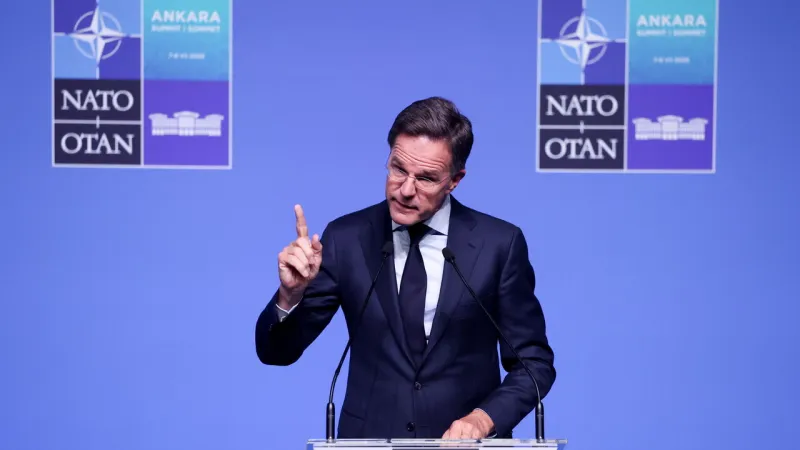
The Hague – Dutch Prime Minister Mark Rutte has underscored the critical need for unwavering allied support for Ukraine, asserting that Russian President Vladimir Putin is becoming increasingly desperate. Rutte's remarks emphasized Kyiv's recent significant advancements on the battlefield, which he described as outperforming Moscow's efforts over the last two to three months.
The Prime Minister conveyed his assessment during a recent address, signaling a pivotal moment in the ongoing conflict. His analysis suggests a strategic shift where Russia's initial objectives appear to be faltering under sustained Ukrainian resistance and tactical successes.
Ukraine, despite facing immense challenges, has demonstrated remarkable resilience and strategic agility. Reports from the front lines, echoed by Rutte, indicate that Ukrainian forces have made notable progress, thwarting Russian advances and reclaiming territory in various sectors.
Specifically, Rutte stated, "Ukraine has performed significantly better on the battlefield than Moscow over the past two to three months." This evaluation offers a counter-narrative to earlier fears of a stalled conflict and highlights the effectiveness of Western military assistance.
The assertion of Putin's growing desperation carries substantial implications for international policy. It suggests that while the Russian leader may seek to intensify efforts, such actions could stem from a weakening strategic position rather than one of strength. This perceived desperation could manifest in various ways, from escalated rhetoric to intensified attacks, making continued vigilance paramount.
For the international community, particularly NATO and European Union member states, Rutte's message serves as a stern reminder of their commitment. Sustained military, financial, and humanitarian aid is not merely an act of solidarity but a strategic imperative to capitalize on Ukraine's momentum and pressure Russia.
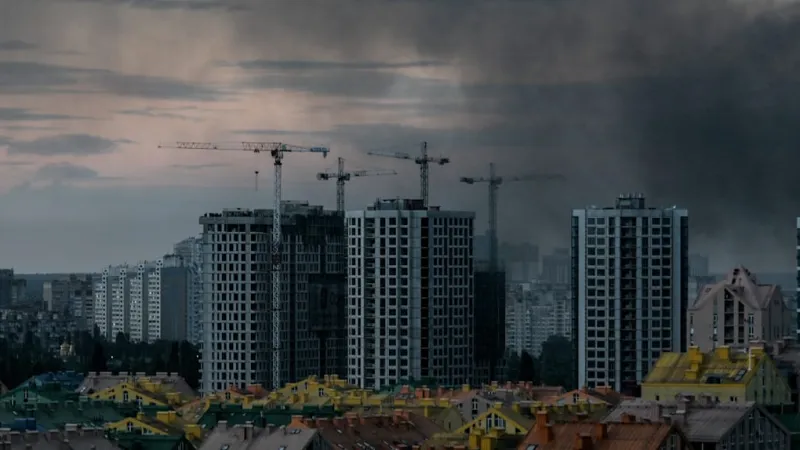
This support includes the provision of advanced weaponry, air defense systems, and continued intelligence sharing. The recent appeals from Kyiv for more sophisticated defenses, such as Patriot systems, following missile strikes, underscore the immediate and evolving needs on the ground. Deadly Kyiv Missile Strike Kills 11, Ukraine Demands Patriot Systems, for instance, illustrated the constant threat civilians face and the demand for robust protection.
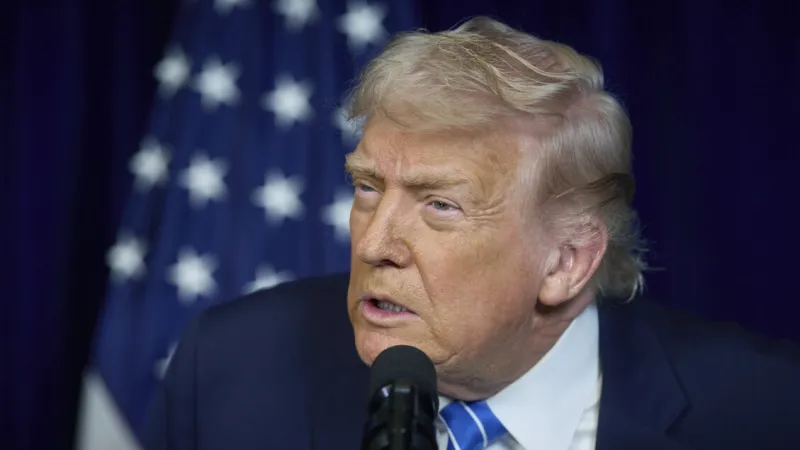
The Dutch Prime Minister's statements resonate within a broader geopolitical landscape where the conflict in Ukraine continues to shape global alliances and security doctrines. Leaders across Europe and in the United States, including President Donald Trump, regularly weigh the diplomatic and military implications of the ongoing hostilities.
The stability of European security hinges significantly on the outcome of this conflict. A successful, sovereign Ukraine is viewed by many as a bulwark against further Russian aggression and an affirmation of international law and territorial integrity. Rutte's call reinforces this perspective.
As the conflict enters its next phase, the resolve of Ukraine's allies will be tested. Rutte's urgent plea aims to galvanize continued coordinated action, ensuring that Ukraine possesses the necessary resources to not only defend itself but also to achieve a lasting and equitable peace.
The strategy, as articulated by the Dutch leader, is clear: leverage Russia's perceived weakness by strengthening Ukraine. This approach seeks to accelerate an end to the conflict on terms favorable to Kyiv and its democratic aspirations.