 Dorry Archiles
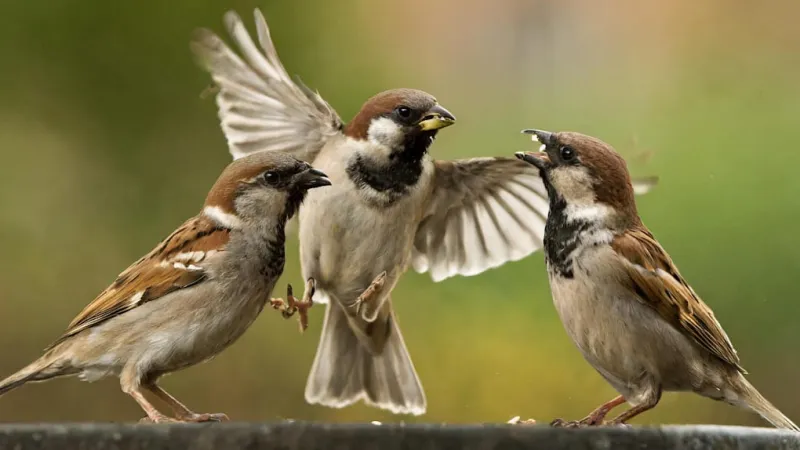
Berlin – The ubiquitous house sparrow, a species often regarded globally as a robust and even invasive colonizer, is experiencing a perplexing and dramatic population decline across Germany. Ornithologists and environmental agencies are alarmed by the accelerating disappearance of these once-common birds, prompting urgent research into the underlying causes of this localized crisis in a nation celebrated for its environmental consciousness.
Globally, *Passer domesticus*, commonly known as the house sparrow, has followed human expansion across continents. Its adaptability to urban and agricultural landscapes has made it one of the most widespread avian species, thriving on human waste and the modified environments we create. From North America to Australia, these sparrows frequently outcompete native birds, earning their classification as an invasive species in many regions.
This global prevalence sharply contrasts with the sobering statistics emerging from Germany. Decades of monitoring by organizations such as the German Nature and Biodiversity Conservation Union (NABU) indicate a consistent and steep fall in house sparrow numbers. What was once a chirping staple in every garden and city square is now noticeably scarcer, a phenomenon that has left researchers baffled.
Experts estimate that some urban areas have witnessed a decline exceeding 50 percent over the past three decades, with rural populations also showing significant downturns. The scale of this reduction raises critical questions about environmental health and biodiversity within Central Europe. "It is as if the sparrows have dissolved into thin air," remarked one concerned birdwatcher, reflecting a widely shared sentiment.
Several hypotheses are under investigation to explain this precipitous drop. Foremost among them is the increasing modernization of urban infrastructure. Contemporary building designs often lack the nooks, crannies, and accessible roof spaces that sparrows historically utilized for nesting and roosting, effectively eradicating crucial breeding habitats.
Food scarcity also emerges as a significant factor. Modern agricultural practices, characterized by monoculture and intensive pesticide use, have drastically reduced insect populations, a vital food source for sparrow chicks. Cleaner cities, while aesthetically pleasing, also mean less spilled grain, discarded food, and accessible waste, which historically sustained adult sparrows.
Pesticides, both agricultural and those used in urban gardening, present another grave threat. The direct and indirect poisoning of insects, seeds, and even the birds themselves through contaminated food chains could be playing a substantial role in weakening populations and reproductive success.
Climate change, while a global issue, might also contribute to localized vulnerabilities. Altered weather patterns can affect food availability, nesting success, and increase susceptibility to disease. However, the precise mechanisms of climate impact on German house sparrows require further dedicated study.
Disease outbreaks or increased predation pressure from raptors like sparrowhawks or domestic cats are additional considerations. While these factors naturally regulate bird populations, a sudden, widespread decline suggests a more systemic environmental stressor at play.
Dr. Lena Schmidt, a prominent ornithologist and lead researcher at the Berlin Natural History Museum, underscored the broader implications. "The disappearance of the house sparrow from our cities is a stark indicator of fundamental changes in our environment," Dr. Schmidt stated. "It signals that conditions are becoming less hospitable not just for this one species, but potentially for a host of other urban wildlife. We must understand these shifts."
Conservation groups are advocating for immediate action. Suggestions include promoting bird-friendly urban planning, such as integrating artificial nesting sites into new constructions and preserving green spaces. Campaigns to reduce pesticide use in private gardens and public parks are also gaining traction.
Furthermore, citizens are encouraged to provide food and water responsibly in their gardens, particularly during harsh weather conditions, and to create habitats with native plants that support insect populations. Such individual actions, when aggregated, can significantly contribute to local biodiversity.
The case of the vanishing German house sparrow serves as a potent reminder that even the most adaptable species are vulnerable to rapid environmental shifts caused by human activity. It challenges the assumption that species declared invasive elsewhere are inherently immune to local ecological crises.
This phenomenon is not isolated to Germany, with similar declines observed in other parts of Western Europe, including the United Kingdom and the Netherlands. However, the extent and speed of the decline in Germany have particularly alarmed scientists given the country's strong environmental regulatory framework.
Researchers emphasize the importance of long-term monitoring programs to accurately track population trends and identify critical factors. Collaborative efforts between scientists, policymakers, and urban planners are essential to devise effective conservation strategies.
The mystery of the vanishing house sparrow in Germany remains an urgent ecological puzzle. Unraveling its complexities is not merely about saving a common bird, but about understanding the health of our shared environment and ensuring a future where human expansion does not inadvertently silence the songs of our natural companions.