Gabriella
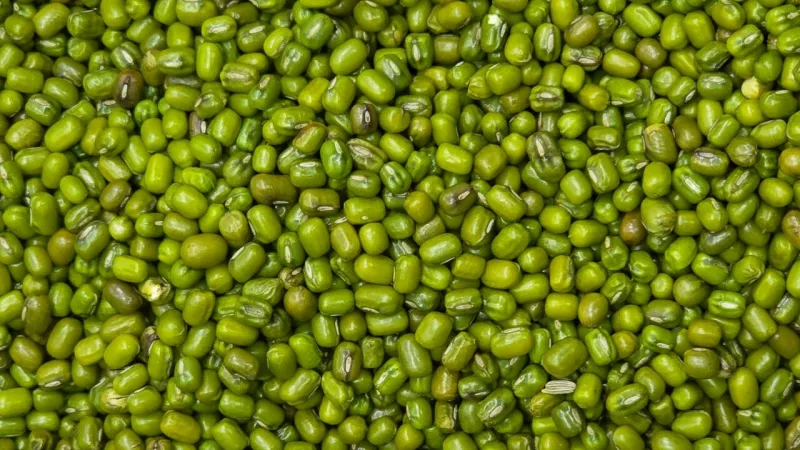
Researchers working within global seed bank networks recently identified specific green bean seeds possessing extraordinary resilience, capable of surviving for decades and earning the critical designation of apocalypse seeds for their potential role in ensuring long-term food security against environmental catastrophes. This discovery underscores the vital importance of international efforts to safeguard biodiversity and agricultural heritage.
The identification of these highly durable green bean varieties among countless accessions housed in secure facilities marks a significant milestone in agricultural resilience research. Such seeds represent a crucial biological safeguard, offering a tangible resource for agricultural recovery following widespread ecological disruption or climate-induced challenges.
Seed banks, often called arks for biodiversity, meticulously store millions of plant seeds, preserving genetic diversity against extinction. Facilities like the Svalbard Global Seed Vault and numerous national gene banks globally play an indispensable role in safeguarding agricultural species for future generations, acting as a bulwark against crop loss.
Green bean seeds, known scientifically as *Phaseolus vulgaris*, exhibit natural variations in their hardiness and storage potential. The newly identified apocalypse seeds distinguish themselves through inherent genetic traits that allow them to maintain viability over extended periods, even under less-than-ideal storage conditions, though optimal conditions greatly enhance longevity.
The provocative term apocalypse seeds reflects their capacity to endure scenarios once considered purely speculative, from extreme climate shifts to geopolitical instability impacting food supply chains. It highlights the strategic foresight involved in preserving crops that can withstand severe environmental pressures and ensure a baseline for future cultivation.
The collaborative nature of global seed conservation involves scientists, botanists, and agricultural experts from diverse nations. They work tirelessly to collect, categorize, and store seed samples, often from endangered or economically critical plant species. This collective endeavor provides a safety net for global food systems.
This discovery holds profound implications for agricultural planning and disaster preparedness. By understanding the genetic mechanisms behind the green bean seeds resilience, researchers can potentially develop more robust crop varieties, capable of thriving in increasingly unpredictable climates and bolstering global food security.
"These findings reinforce the critical value of our global seed bank initiatives," stated a leading botanist familiar with the research, speaking on background due to the sensitive nature of seed preservation efforts. "Identifying these hyper-resilient varieties gives us invaluable tools to address future food crises and maintain dietary diversity."
Despite this promising discovery, challenges remain in scaling up the propagation of such resilient crops and integrating them into mainstream agricultural practices. Future research will likely focus on gene mapping to understand the exact traits contributing to their longevity and how these can be selectively bred into other essential food crops.
The recognition of these apocalypse seeds serves as a stark reminder of humanitys interdependence with nature and the importance of proactive measures against potential ecological threats. It underscores the ongoing commitment to protecting the planets botanical heritage, ensuring a foundation for sustenance for generations to come.
Standard seed bank protocols involve storing seeds at low temperatures and humidity levels to slow metabolic processes and extend viability. The green bean seeds superior resilience suggests they may perform exceptionally even when these ideal conditions are temporarily compromised, adding an extra layer of security.
Green beans are a globally important vegetable crop, providing essential nutrients and forming a staple in many diets. Ensuring the long-term viability of their genetic diversity is paramount for maintaining balanced and resilient food systems worldwide, especially in regions vulnerable to climate change.
Scientists now aim to delve deeper into the genetic makeup of these specific green bean accessions to pinpoint the exact genes responsible for their extraordinary endurance. This genetic blueprint could offer pathways to enhance the resilience of other vital food sources against environmental stressors.